Blog
How to Choose the Right Special Collar Knitting Machine for Your Production
By Ramana Machines · September 21, 2026
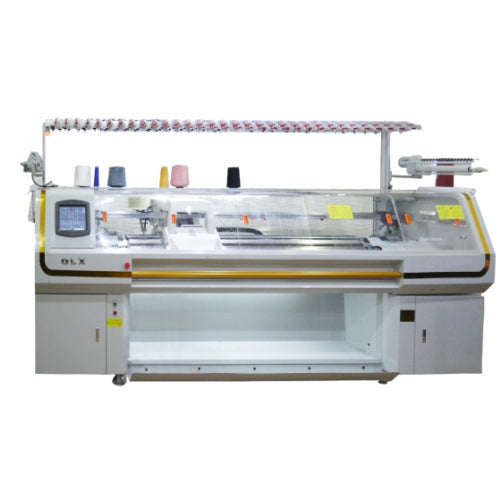
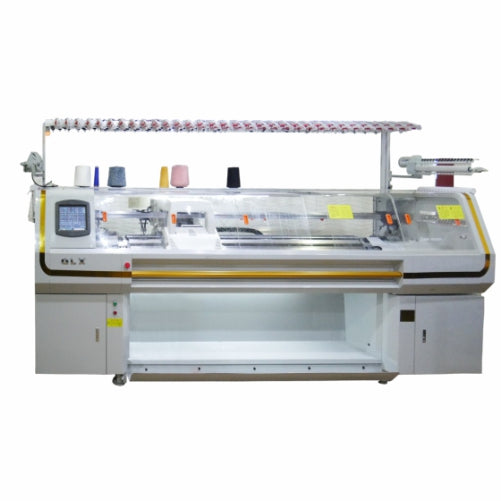
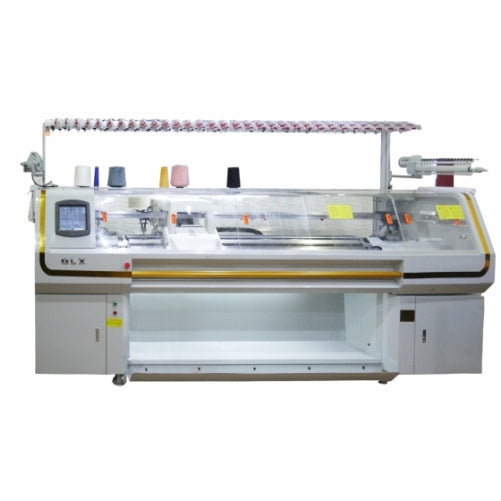
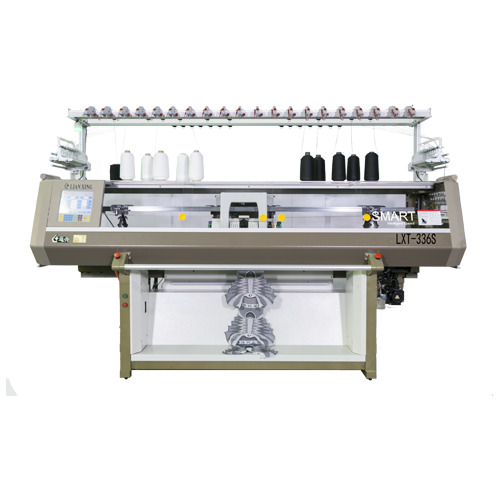
Choosing the right special collar knitting machine depends on factors such as gauge, collar design, machine configuration, production volume, yarn type, and application. This guide explains the key specifications buyers should check before selecting a flat machine or specialized collar knitting solution.
How to Choose the Right Special Collar Knitting Machine for Your Production
Selecting a special collar knitting machine is an important decision for manufacturers and garment producers looking to achieve consistent collar quality, production efficiency, and the required design. Different collar styles, yarns, gauges, and production requirements can call for different machine configurations.
Before purchasing a machine, buyers should look beyond price and consider the gauge, needle arrangement, knitting width, production requirements, collar design, yarn compatibility, automation, and technical support.
A suitable machine can help improve production consistency while reducing unnecessary adjustments and material wastage.
1. Understand Your Collar Production Requirements
The first step is to identify exactly what you want to produce. Special collar knitting machines can be used for different collar shapes, structures, and garment applications.
Consider:
- Type of collar required
- Collar width and dimensions
- Rib or other knitted structures
- Required finishing and appearance
- Daily or monthly production volume
- Yarn types and counts
- Garments or products where the collars will be used
- Whether you need standard or customized collar designs
For example, a machine intended for sweater collars may have different requirements from one used for polo shirts, sportswear, school uniforms, or fashion garments.
Understanding the final application makes it easier to select the appropriate machine configuration.
2. Check the Machine Gauge Carefully
Gauge is one of the most important specifications when selecting a collar knitting machine. It refers to the needle density or the number of needles arranged within a specific measurement of the knitting system.
Different gauges can produce different fabric structures, thicknesses, textures, and levels of detail.
When comparing machines, check:
- Available gauge
- Gauge required for your collar design
- Yarn count compatibility
- Desired fabric density
- Required knitting structure
- Whether you need fine, medium, or heavier knitted collars
Fine Gauge Collar Knitting
Fine gauges are generally considered when the production requires finer structures, detailed patterns, or lightweight collars. They can be suitable for applications where a neat and refined appearance is important.
Medium Gauge Collar Knitting
Medium gauges offer flexibility for a broad range of garment applications. They may be suitable for everyday apparel, uniforms, sweaters, sportswear, and other knitted products depending on the machine configuration.
Coarser Gauge Collar Knitting
Coarser gauges can be considered when thicker yarns or heavier collar structures are required. They may be suitable for heavier garments and products requiring a more substantial knitted appearance.
Do not select a gauge simply because it is commonly used. Match the gauge with your yarn, collar structure, design, and finished-product requirements.
3. Select the Correct Flat Machine Configuration
A flat machine can provide flexibility for producing knitted components with different shapes and structures. When considering a flat machine for collar production, buyers should examine the needle bed configuration, knitting width, carriage system, gauge, and control system.
Depending on the production requirement, the machine may need to support:
- Different collar dimensions
- Rib structures
- Patterned designs
- Variable knitting settings
- Different yarn types
- Customized collar shapes
- Consistent production across multiple sizes
The right configuration depends on the type and volume of collars you intend to produce.
4. Consider the Collar Design
Not every collar requires the same knitting structure. Before selecting the machine, prepare samples or specifications of the collars you want to manufacture.
Check whether the machine can produce:
- Standard rib collars
- Fashion collars
- Polo collars
- Sweater collars
- Sportswear collars
- Uniform collars
- Patterned collars
- Customized knitted collars
- Different collar widths and dimensions
If your business produces several collar styles, look for a machine that offers sufficient flexibility instead of selecting equipment designed around only one product.
5. Check Yarn Compatibility
The yarn used in production directly affects the machine configuration and finished collar quality.
Before purchasing, discuss your yarn specifications with the supplier. Important points include:
- Yarn type
- Yarn count
- Yarn thickness
- Yarn elasticity
- Number of yarn feeders required
- Yarn tension requirements
- Expected fabric structure
A machine that works well with one yarn specification may not provide the same results with another. Testing your actual production yarn before finalizing the machine can therefore be useful.
6. Match the Machine With Your Production Volume
Production capacity should be evaluated according to your actual requirements.
If you produce collars in small batches or customized designs, flexibility and easy adjustment may be more important than maximum output.
For larger production requirements, consider:
- Production speed
- Machine efficiency
- Continuous operating capability
- Automation level
- Changeover time
- Operator requirements
- Maintenance requirements
The best collar knitting machines for one production setup may not be the right choice for another. The machine should be selected according to the balance between production volume, product range, quality requirements, and investment.
7. Look at Automation and Control Features
Modern collar knitting equipment can include electronic controls and programmable functions that help operators manage production settings more efficiently.
Depending on the model, check for features such as:
- Digital control system
- Programmable knitting settings
- Pattern control
- Electronic monitoring
- Automatic functions
- Easy parameter adjustment
- Production data or fault indications
If your production involves frequent changes in collar styles, a machine with convenient controls can make setup and operation easier.
8. Compare Machine Width and Working Range
Machine width is another specification that should match your production requirements.
Before selecting a machine, determine:
- Maximum collar dimensions
- Required knitting width
- Product size range
- Number of products required per setup
- Space available in your production area
Choosing a machine with an unsuitable working range can limit the types of collars you can produce.
9. Consider the Application
The final application should always influence the machine selection.
Special collar knitting machines can be considered for applications such as:
- T-shirts and polo shirts
- Sweaters
- Sportswear
- School uniforms
- Workwear
- Fashion garments
- Children's garments
- Knitwear accessories
- Customized garment components
For example, sportswear may require different stretch and recovery characteristics compared with a formal garment. Similarly, sweater collars may require a different yarn and structure from lightweight polo collars.
10. Compare Special Collar Knitting Machines Based on Specifications
Instead of comparing machines only by brand or price, create a specification checklist.
Specification | What to Check |
| Gauge | Match with yarn and required collar structure |
| Machine type | Flat machine or specialized collar configuration |
| Knitting width | Match required collar dimensions |
| Collar structure | Rib, patterned, customized, etc. |
| Yarn compatibility | Confirm yarn type and count |
| Production capacity | Match daily/monthly requirements |
| Control system | Check automation and adjustment options |
| Pattern capability | Important for customized designs |
| Power requirements | Confirm factory electrical setup |
| Space requirements | Check machine dimensions |
| Maintenance | Understand routine maintenance needs |
| Spare parts | Confirm availability of important components |
| Technical support | Check installation and troubleshooting support |
| Training | Confirm operator training availability |
This approach makes machine comparison more practical and reduces the chance of selecting equipment based only on initial cost.
11. Consider Spare Parts and After-Sales Support
Machine selection should also include long-term support.
Ask the supplier about the availability of:
- Needles
- Carriage components
- Feeders
- Sensors
- Electronic components
- Belts and mechanical parts
- Other machine-specific spare parts
Working with a reliable textile machinery spare parts supplier can help maintain production when replacement components are required.
Technical assistance is equally important. Ask whether the supplier provides installation guidance, operator training, troubleshooting assistance, and after-sales support.
12. Choose a Reliable Textile Machinery Supplier
The supplier you choose can have an impact on the overall machine-buying experience.
A reliable textile machinery supplier should be able to understand your production requirement and help you compare suitable machine configurations rather than simply offering one machine.
Before finalizing your purchase, discuss:
- Machine specifications
- Production application
- Gauge requirements
- Yarn compatibility
- Installation
- Operator training
- Delivery and logistics
- Spare parts
- Technical support
- After-sales service
For buyers comparing best rib knitting machines, special collar machines, or other flat knitting solutions, these factors can provide a more useful basis for comparison than price alone.
13. Test Samples Before Final Selection
If possible, provide your actual collar design, yarn, and production specifications for testing.
Sample testing can help you evaluate:
- Collar appearance
- Stitch quality
- Dimensions
- Stretch and recovery
- Production consistency
- Pattern accuracy
- Machine adjustment requirements
This is particularly useful when you are purchasing equipment for a new collar design or a specialized application.
14. Think About Future Production
Your current requirement is important, but future production should also be considered.
If you plan to expand your product range, check whether the machine can accommodate:
- Additional collar styles
- Different gauges or yarn requirements
- New garment applications
- Higher production volumes
- Customized designs
A machine with appropriate flexibility may provide greater value when production requirements change.
Choosing the Right Machine for Your Collar Production
There is no single machine configuration suitable for every collar production setup. The correct choice depends on gauge, collar design, yarn, machine configuration, production volume, automation, working width, application, and after-sales support.
Whether you are comparing a flat machine, special collar knitting machine, or best rib knitting machines for your production, start with your finished-product requirements and work backward to the required machine specifications.
A discussion with an experienced supplier can also help you identify suitable options based on your actual production needs.