Blog
Special Collar Knitting Machine Operation, Setup and Maintenance Guide
By Ramana Machines · September 21, 2026
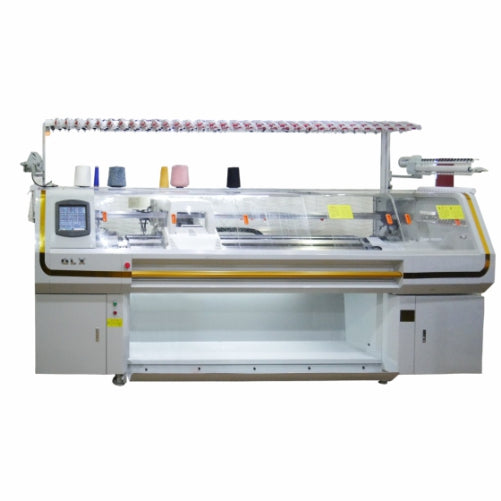
Learn how to properly set up, operate, clean and maintain a special collar knitting machine. This guide covers basic installation checks, machine settings, daily maintenance, common operating issues and practical tips for maintaining consistent collar production.
Special Collar Knitting Machine Operation, Setup and Maintenance Guide
A special collar knitting machine requires proper setup, correct operating practices, and regular maintenance to deliver consistent production. Even when a machine has advanced controls and automated functions, operators still need to understand basic machine settings, yarn preparation, cleaning, lubrication, and troubleshooting.
Whether you are installing a new machine or maintaining an existing production setup, following a structured procedure can help reduce unnecessary downtime and maintain collar quality.
This guide explains the basic steps involved in special collar knitting machine setup, operation, cleaning, maintenance, and troubleshooting.
1. Prepare the Machine Installation Area
Before installing the machine, make sure the production area is suitable for the equipment.
Check:
- Floor condition and machine positioning
- Available working space
- Electrical supply
- Proper lighting
- Ventilation
- Access for operators and maintenance personnel
- Space for yarn and finished products
- Safe movement around the machine
The machine should be positioned on a stable surface according to the installation instructions provided for the particular model.
Avoid placing the machine where excessive dust, moisture, vibration, or other environmental conditions could affect operation.
2. Check the Machine Before Starting
Before switching on the machine, operators should carry out a basic inspection.
Check the:
- Needle area
- Needle bed
- Carriage
- Yarn feeders
- Yarn guides
- Take-down or fabric handling system
- Sensors
- Drive components
- Control panel
- Safety devices
- Lubrication points
Look for loose components, damaged parts, unusual obstructions, or accumulated dust.
If any component appears damaged, do not continue operation until it has been inspected and corrected.
3. Prepare the Yarn Correctly
Yarn preparation is an important part of collar production.
Before feeding yarn into the machine, check:
- Yarn type
- Yarn count
- Yarn condition
- Yarn tension
- Cone or package quality
- Yarn path
- Feeder position
Incorrect yarn tension can affect stitch formation and may result in uneven collars, loops, dropped stitches, or inconsistent fabric appearance.
Use the yarn recommended for the machine configuration and the collar specification being produced.
4. Set the Required Gauge and Machine Specifications
Gauge is an important consideration when producing knitted collars. The appropriate gauge depends on the yarn, collar structure, fabric thickness, and application.
Before production, confirm the required:
- Machine gauge
- Knitting width
- Stitch settings
- Yarn specification
- Collar dimensions
- Knitting structure
- Production speed
A flat bed knitting machine may be used for certain collar and knitted-component applications, depending on its configuration and capabilities.
Do not change machine settings without understanding how they affect the finished collar.
5. Set Up the Collar Design
Before starting bulk production, load or configure the required collar design according to the machine's operating system.
Depending on the machine, operators may need to set:
- Collar dimensions
- Stitch parameters
- Pattern information
- Knitting sequence
- Yarn feeders
- Production quantity
- Machine speed
For customized collars, verify the design carefully before beginning production.
A sample run can help identify problems before larger quantities are produced.
6. Start the Machine Slowly
After completing the setup, begin production at a controlled speed.
During the initial run, observe:
- Needle movement
- Yarn feeding
- Stitch formation
- Carriage movement
- Collar dimensions
- Fabric tension
- Machine sounds
- Error messages
Do not immediately operate at maximum production speed.
Allow the operator to confirm that the machine is functioning correctly and that the collar matches the required specifications.
7. Monitor Production During Operation
Operators should regularly monitor the machine rather than leaving it unattended for long periods.
Pay attention to:
Yarn Tension
Incorrect tension can create uneven stitches and affect collar dimensions.
Needle Condition
Damaged, bent, or worn needles can result in dropped stitches and other knitting defects.
Stitch Formation
Check whether stitches are being formed consistently throughout production.
Machine Noise
Unexpected sounds may indicate a mechanical issue, loose component, or lubrication problem.
Error Messages
If the control system displays an error, follow the machine's operating instructions before restarting production.
8. Maintain Consistent Collar Quality
Quality checks should be carried out during production rather than only after the complete batch has been produced.
Inspect samples for:
- Correct dimensions
- Stitch consistency
- Edge appearance
- Pattern accuracy
- Stretch and recovery
- Yarn defects
- Loose stitches
- Uneven areas
- Overall appearance
Regular inspection can help identify machine or yarn problems early.
9. Daily Cleaning
Dust, lint, and loose fibres can accumulate around knitting equipment during production.
At the end of the working period, operators should clean areas such as:
- Needle bed
- Carriage area
- Yarn guides
- Feeders
- Machine surface
- Accessible moving components
Use suitable cleaning equipment recommended for the machine.
Avoid using excessive compressed air in areas where it could push dust deeper into sensitive components.
10. Regular Lubrication
Proper lubrication helps reduce friction and unnecessary wear on suitable mechanical components.
Follow the machine manufacturer's recommended lubrication schedule and use the specified lubricant.
Do not apply excessive lubricant. Too much oil can attract dust and may create contamination problems.
The lubrication procedure should be performed by trained personnel when required.
11. Check Needles and Knitting Components
Needles and other knitting components directly affect the quality of the finished collar.
Regularly inspect for:
- Bent needles
- Damaged needles
- Worn components
- Broken parts
- Uneven movement
- Accumulated lint or dirt
Replace damaged components with the correct specification rather than continuing to operate the machine with worn parts.
12. Inspect Yarn Feeders and Guides
Yarn feeders and guides should remain clean and correctly positioned.
Check for:
- Yarn buildup
- Obstructions
- Incorrect alignment
- Damaged guides
- Uneven yarn movement
A problem in the yarn-feeding system can affect stitch formation and may cause repeated production defects.
13. Follow a Preventive Maintenance Schedule
Preventive maintenance is more effective when performed according to a planned schedule.
Daily
- Clean the machine
- Check yarn path
- Inspect needles and visible components
- Check for unusual noise
- Check basic machine functions
Weekly
- Inspect important moving components
- Check feeders and guides
- Review machine condition
- Clean areas requiring more detailed attention
Periodically
- Perform detailed mechanical inspection
- Check electrical and electronic components
- Inspect sensors
- Check drive and transmission components
- Replace worn parts where required
- Carry out professional servicing
The exact maintenance interval should always follow the machine's technical documentation.
14. Common Special Collar Knitting Machine Problems
Even with proper maintenance, operators may encounter production problems.
Uneven Stitches
Possible causes include incorrect yarn tension, unsuitable settings, needle problems, or inconsistent yarn feeding.
Dropped Stitches
Check the needles, yarn path, feeder, knitting settings, and machine condition.
Incorrect Collar Dimensions
Review stitch settings, knitting parameters, yarn tension, and the programmed dimensions.
Yarn Breakage
Check yarn quality, tension, yarn path, feeder condition, and any sharp or damaged components that may contact the yarn.
Machine Stops During Production
Check the control panel for error information and inspect relevant sensors, safety systems, yarn supply, and machine components.
Unusual Noise
Stop the machine if necessary and inspect for loose parts, obstruction, poor lubrication, or mechanical wear.
Do not repeatedly restart a machine when the cause of the problem is unknown.
15. Keep Spare Parts Available
Regularly used or wear-prone components should be available when required.
Depending on the machine, spare parts may include:
- Needles
- Feeders
- Sensors
- Belts
- Carriage components
- Electronic components
- Mechanical parts
Working with an experienced textile machinery supplier can make it easier to identify the correct replacement components and obtain technical assistance when needed.
16. Train Machine Operators
Proper operator training is essential for safe and consistent production.
Operators should understand:
- Machine controls
- Yarn loading
- Basic machine settings
- Starting and stopping procedures
- Cleaning
- Routine inspection
- Error messages
- Basic troubleshooting
- Safety procedures
- When to contact technical support
Training should be provided before the machine is put into regular production, particularly when introducing a new machine or control system.
17. Follow Safe Operating Practices
Machine operators should never bypass safety systems or operate equipment with known mechanical or electrical problems.
Important practices include:
- Keep hands away from moving components
- Stop the machine before performing maintenance
- Disconnect power when required for servicing
- Keep the work area clean
- Use appropriate protective practices
- Do not remove safety guards without authorization
- Allow trained personnel to handle electrical or major mechanical repairs
Safety procedures should always follow the specific machine's operating manual and workplace requirements.
Choosing and Maintaining the Right Machine
The best collar knitting machines are not determined by one specification alone. Machine gauge, collar design, yarn compatibility, production requirements, automation, machine configuration, maintenance requirements, and technical support all need to be considered.
Once the machine is installed, proper operation and preventive maintenance become equally important. A clean machine, correctly prepared yarn, trained operator, regular inspection, and timely replacement of worn components can help maintain consistent production.
For businesses using specialized collar equipment or a flat bed knitting machine, proper technical guidance and access to spare parts can also support long-term machine performance.