
Blog
Flat Bed Knitting Machine: Installation, Setup, Features and Maintenance Guide - Chapter 1
By Ramana Machines · August 17, 2026
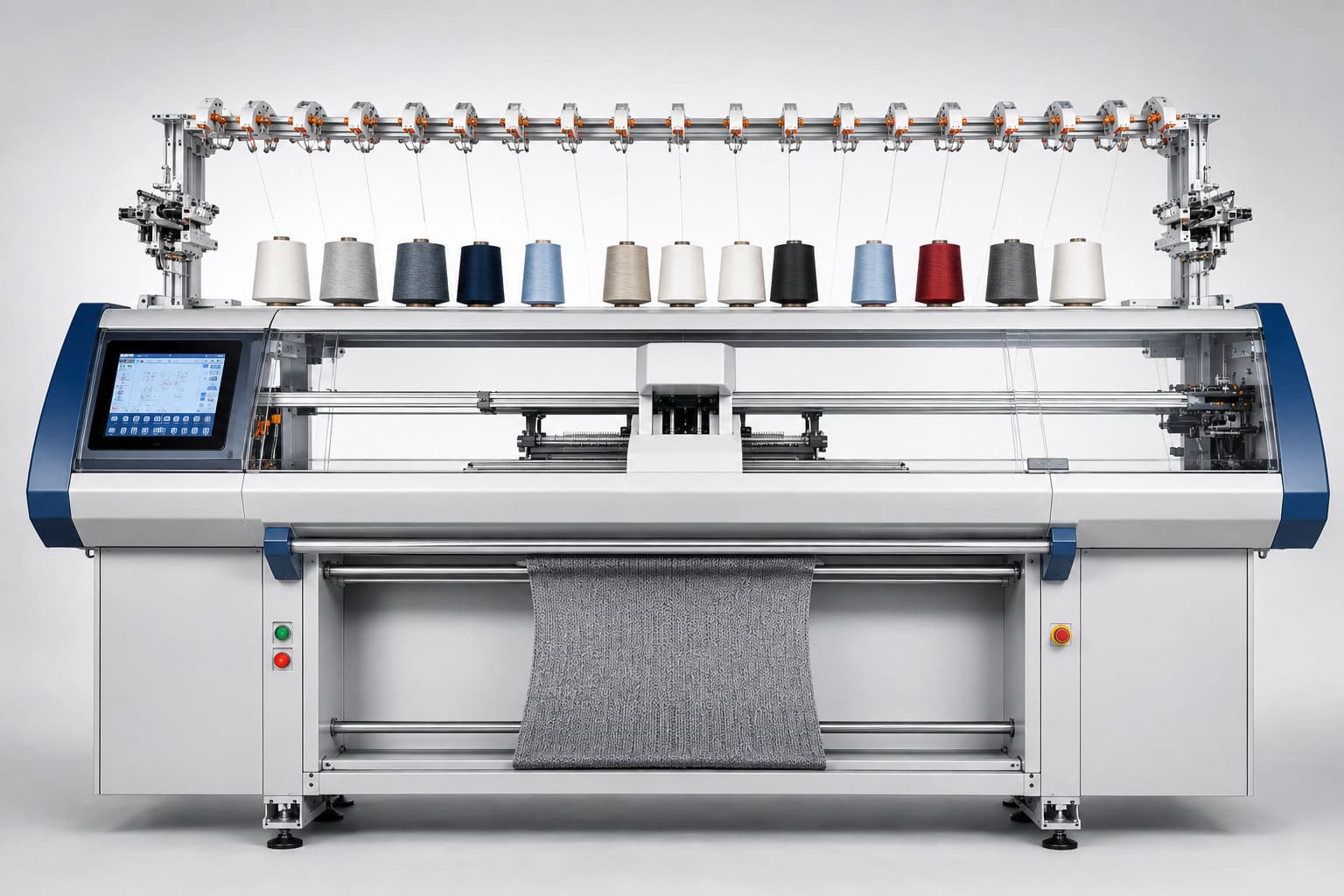
A flat bed knitting machine is designed for smooth, efficient, and controlled textile production. Proper installation, machine setup, regular maintenance, and skilled operation help ensure reliable performance and consistent knitting results.
Introduction
A flatbed knitting machine is a versatile textile machine used to produce knitted fabrics, garments, and various shaped textile products with precision and consistency. Unlike circular knitting machines, it uses a flat needle bed to create fabric in rows, making it suitable for producing both flat and fully shaped knitted components.
Flatbed knitting machines are widely used for sweaters, collars, cuffs, panels, fashion garments, home textiles, and other knitted products. Modern machines can handle different yarn types and support patterns, textures, and complex designs, helping manufacturers achieve high-quality production while reducing manual work and fabric waste.
Operating & Maintenance Guidelines
It can deliver consistent and efficient knitting performance, but the machine needs to be installed, prepared, and operated correctly. Small things such as machine leveling, cleanliness, lubrication, electrical protection, and correct parameter settings can have a direct effect on how smoothly the machine runs.
For a new machine, proper preparation is especially important. Before starting production, the machine should be checked carefully and given enough time to settle into normal operation. Regular maintenance and an experienced operator can also help prevent common problems and keep the machine working reliably.
Proper Machine Placement Is the First Step
The location of a flat bed knitting machine should be planned before installation. There should be enough space at the back and sides of the machine so that maintenance work can be carried out without difficulty.
The machine must also be installed on a properly leveled surface. Incorrect leveling can cause vibration while the machine is running, which can affect operation and may create unnecessary mechanical problems.
Electrical preparation is equally important. The machine should be used with an online UPS, and a separate earthing connection should be provided specifically for the machines. These precautions help provide a more stable operating environment.
According to the installation notes, room temperature should remain below 27°C for better machine performance.
Prepare the Machine Before Running It
Before starting the machine, the working areas should be inspected carefully. The needle bed, carriage area, carriage rod, and yarn feeder rod should be clean and free from obstacles.
The carriage belt should also be checked and all tie locks should be removed before operation. Connections for the top tensions, yarn motor, and side tension sensor wires need to be properly connected.
Lubrication is another important part of preparation. The machine should be lubricated using hydraulic oil No. 68 as specified in the installation instructions.
What to Do When Installing a New Machine
A brand-new flat bed knitting machine should not immediately be put into normal production.
The installation instructions recommend running a new machine without yarn for around 3 to 4 hours. This allows the machine to normalize itself before regular knitting begins.
After this initial run, waste cotton yarn can be used to help remove excess oil from the needles. This simple preparation step can help get the needle area ready before production yarn is introduced.
The needle bed racking parameter should also be checked before production.
Another useful preparation step is to make a backup of the machine parameters. Keeping a parameter backup can be helpful during future servicing or when settings need to be restored.
Yarn and Design Setup
Once the machine has been prepared, the design and machine parameters need to be configured according to the production requirement.
The basic workflow includes:
- Load the required design.
- Set the machine parameters according to the design.
- Check the relevant machine settings before starting production.
- Use rewind and waxed yarn for easier machine running.
A professional designer and operator are required for the machine. This is particularly important because correct design preparation and parameter settings are closely connected with the final knitting process.
Ultra Core Processor Features
Modern flat bed knitting machines can use advanced processing systems to improve machine control and monitoring. The Ultra Core Processor mentioned in the supplied machine information includes several features designed around faster processing, monitoring, protection, and production support.
Faster Processing
The Ultra Core Processor is described as providing 2.5 times faster processing, allowing machine operations and design processing to be handled more quickly.
Wi-Fi Connectivity
With Wi-Fi enabled, the running status of the machine can be checked through a phone. This can make machine monitoring more convenient for operators and production teams.
Error Display With Pictures
When an error occurs, the system can display the error on the screen together with a picture. Visual error information can make it easier for the operator to identify the issue.
Energy Saving
The processor information specifies 13% energy saving, which can help reduce energy consumption during machine operation.
Additional Protection
The system includes an absolute zero encoder system along with protection against rust, dust, and moisture. The system body is also designed using flame-retardant material.
Design and Pattern Processing
The processor also supports automatic conversion of designs from a single system to a three-system format and automatic processing of waste-free yarn patterns. Power-failure protection is another listed feature.
Common Problems With Flat Bed Knitting Machines
Like any industrial knitting equipment, a flat bed machine can experience different operational or mechanical problems. Identifying the problem correctly is the first step toward proper servicing.
Some of the problems listed in the machine service notes include:
- Knitting problems
- Roller problems
- Density errors
- CAN1 and CAN2 communication errors
- Triangle zero errors
- Rack servo alarms
- Main motor and servo motor problems
- Push pin problems
- Mending problems
- Needle breakage
- Needle jack breakage
- Feeder problems
- Sinker setting problems
The machine also requires regular gearbox maintenance.
Why Regular Maintenance Matters
Regular maintenance should not be treated as an optional task. A knitting machine contains moving components that need to remain clean, correctly adjusted, and properly lubricated.
Areas such as the needle bed, carriage, carriage rod, yarn feeder rod, and other working components should be inspected regularly. Gearbox maintenance should also be included in the maintenance routine.
When an error occurs, it is better to identify the actual cause instead of repeatedly restarting the machine. Problems involving rollers, density, communication, motors, needles, feeders, or sinker settings may require specific inspection and adjustment.
The Importance of a Skilled Operator
A flat bed knitting machine is not simply a machine that can be started and left running. Design loading, parameter settings, yarn preparation, machine adjustment, and troubleshooting all require proper understanding.
The supplied machine information specifically states that a professional designer and operator are required. Having trained people handling these tasks can make the production process more controlled and reduce avoidable operating issues.
Final Thoughts
Good performance from a flat bed knitting machine starts before the first piece is knitted. Correct machine placement, proper leveling, suitable electrical protection, clean working areas, correct lubrication, and appropriate parameter settings all form part of the installation process.
For a new machine, allowing it to run without yarn for around three to four hours before production is an important preparation step. After that, the correct design, parameters, and yarn should be selected according to the production requirement.
Modern processor features such as faster processing, Wi-Fi monitoring, visual error displays, energy-saving functions, and power-failure protection can make machine operation more convenient. However, technology alone cannot replace proper maintenance and skilled operation.
A well-prepared machine, trained operator, and regular maintenance routine together provide a stronger foundation for reliable flat bed knitting production.
Related
More insights
August 5, 2026
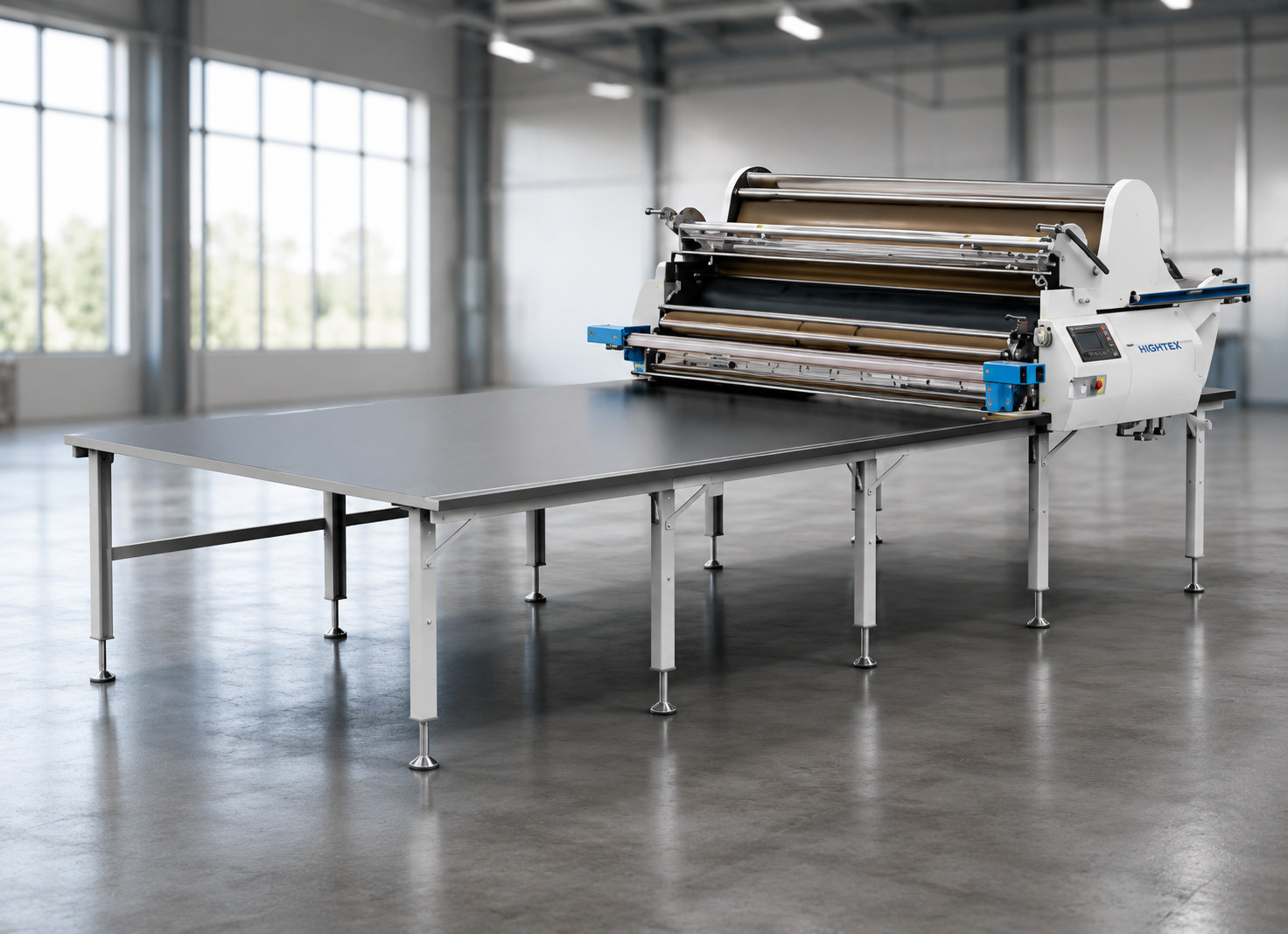
Fabric Spreading Machines for Knit and Woven Cutting Rooms
Improve lay quality and cutting accuracy with spreading machines designed for knit, woven, and home textile fabrics.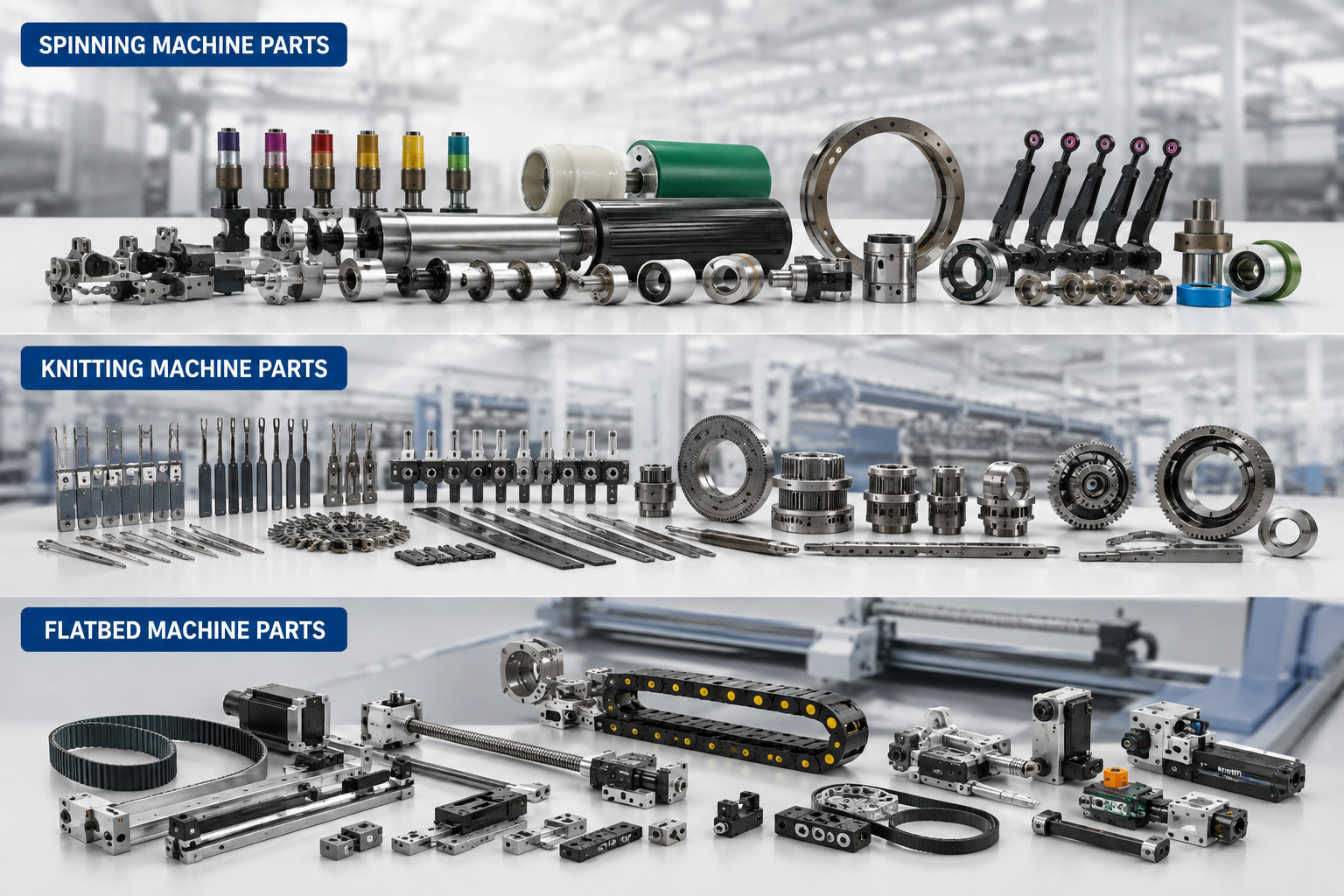
August 5, 2026
Spare Parts Strategy for Textile and Industrial Machinery Uptime
Build a practical spare parts plan that shortens repair time, protects production schedules, and keeps textile machinery running longer.
August 5, 2026