
Loading…
Loading…
Loading…
Loading category…
Category
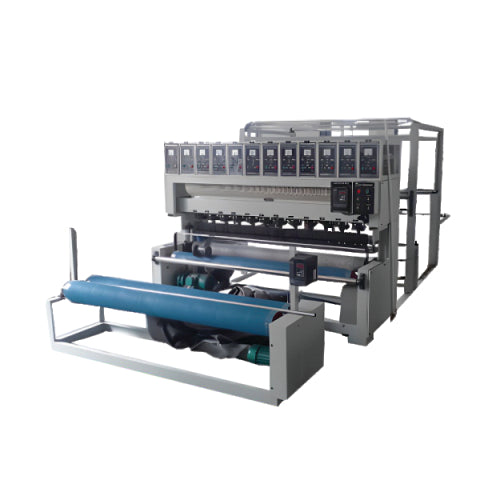
A fabric embossing machine is used to create raised, pressed, textured, or decorative patterns on different types of fabrics and textile materials. It helps textile manufacturers and processors add attractive surface effects while improving the visual and functional appeal of the finished fabric.
Ramana Machines supplies fabric embossing machines for textile processing applications, including solutions for textile embossing, fabric surface treatment, and decorative pattern creation. Depending on the fabric type, design, production volume, and required finish, businesses can choose from electric, automatic, and industrial embossing machine solutions.
A fabric embossing machine applies controlled heat, pressure, or a combination of both to create a specific texture or pattern on the fabric surface. The embossing process can produce designs such as lines, geometric patterns, textures, logos, and other decorative effects.
Modern fabric embossing machines are designed to provide consistent results across continuous fabric production. They can be used for different textile processing requirements where surface appearance and pattern consistency are important.
The working principle of a fabric embossing machine depends on its design and application, but the general process includes:
Proper temperature, pressure, fabric tension, and machine speed are important for achieving uniform fabric embossing results.
A good fabric embossing machine can offer features such as:
The exact features can vary according to the machine model and fabric application.
An electric embossing machine uses an electric-powered system to operate the main machine functions and, depending on the model, heating, control, feeding, and embossing systems.
An electric embossing machine can be suitable for textile businesses looking for controlled and repeatable fabric surface processing. It can be integrated into production workflows where consistent embossing quality and efficient operation are required.
An automatic embossing machine is designed to reduce manual involvement during the embossing process. Automated feeding, temperature control, pressure adjustment, speed control, and other machine functions can help improve production consistency.
For larger textile processing operations, an automatic system can help maintain a more stable production process and reduce variations caused by manual operation.
An industrial embossing machine is designed for continuous or high-volume textile processing. It is generally selected by businesses that need reliable operation, consistent pattern formation, and repeatable production results.
When choosing an industrial embossing machine, consider:
A fabric embossing machine can be used for different textile and fabric surface applications.
Application | Use of Fabric Embossing |
| Apparel Fabrics | Creating decorative surface patterns and textures |
| Home Textiles | Adding visual effects to selected household fabrics |
| Decorative Fabrics | Producing textured and patterned fabric surfaces |
| Synthetic Fabrics | Creating suitable embossed effects on compatible materials |
| Upholstery Fabrics | Adding surface designs and textures |
| Fashion Textiles | Developing decorative fabric effects for garments and accessories |
| Textile Finishing | Adding an additional surface treatment to selected fabrics |
| Patterned Fabrics | Creating repeatable surface patterns and textures |
The suitable embossing method depends on the fabric composition, construction, thickness, pattern, and required finish.
Using a fabric embossing machine can provide several advantages for textile processing businesses:
The machine helps produce repeatable patterns across continuous fabric production when the machine is correctly adjusted.
Embossing can give fabrics a more distinctive surface appearance and help create decorative textile effects.
Automatic and industrial systems can reduce manual handling and support continuous production.
Different embossing rollers, patterns, and settings can be used depending on the required fabric effect and machine configuration.
Controlled speed, pressure, temperature, and fabric tension can help maintain more consistent results.
Fabric embossing can be used as a value-added textile finishing process to create differentiated fabric products.
Fabric embossing is one of the surface treatment processes used to change the appearance or texture of textile materials. It can be combined with other textile finishing processes depending on the fabric and final product requirements.
Before selecting a machine, businesses should consider the complete finishing process, including fabric preparation, embossing requirements, cooling or setting, inspection, and subsequent finishing operations.
Selecting the right fabric embossing machine depends on your production requirements. Consider the following factors:
Check whether the machine is suitable for the fabric composition and construction you plan to process.
Select a machine with a working width suitable for your regular production requirements.
Determine whether you need simple textures, geometric designs, decorative patterns, or customized embossing effects.
For high-volume production, an industrial embossing machine or automatic system may be more suitable.
Controlled temperature and pressure are important for maintaining uniform embossing results.
An automatic embossing machine can be considered when reduced manual operation and consistent production are priorities.
Choose a supplier that can provide product guidance, installation assistance, spare parts support, and after-sales service when required.
Ramana Machines provides textile machinery solutions for businesses looking for reliable equipment for fabric processing and textile production. As a textile machinery trading company in India, we help customers explore suitable machinery based on their production requirements, fabric applications, and processing needs.
Our approach focuses on understanding the application first and then helping customers identify the appropriate machine configuration. We can also assist with machinery selection, product information, technical coordination, and after-sales requirements.
If you are looking for a fabric embossing machine, electric embossing machine, automatic embossing machine, or industrial embossing solution, you can contact Ramana Machines to discuss your requirements.
Looking for the right fabric embossing machine for your textile production? Explore suitable embossing and textile processing solutions from Ramana Machines and discuss your fabric, production, and application requirements with our team.
Find answers to the most common questions about our machines, services and support.
A fabric embossing machine is used to create raised, textured, or decorative patterns on suitable fabric surfaces using controlled pressure, heat, or a combination of both.
An electric embossing machine describes the machine's powered operating system, while an automatic embossing machine focuses more on the level of automated operation and reduced manual intervention. A machine can have both electric and automatic features.
The suitable fabric depends on the machine design and embossing process. Synthetic, blended, and other compatible fabrics may be processed depending on their construction, heat resistance, thickness, and required finish.
Consider your fabric type, fabric width, production capacity, embossing design, working speed, temperature and pressure requirements, automation level, and technical support requirements.
An industrial embossing machine can be suitable for continuous or higher-volume textile processing where consistent embossing quality and reliable machine operation are required.