Loading…
Loading…
Loading…
Loading category…
Category
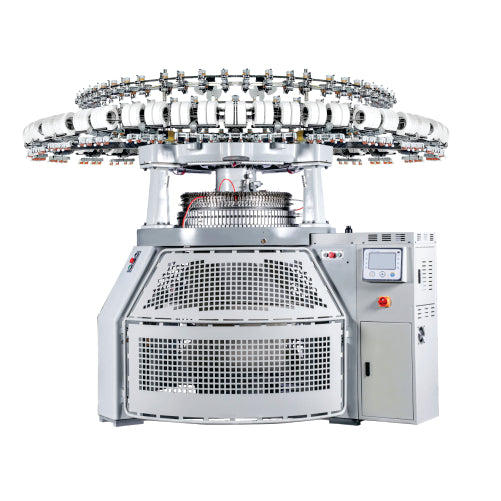
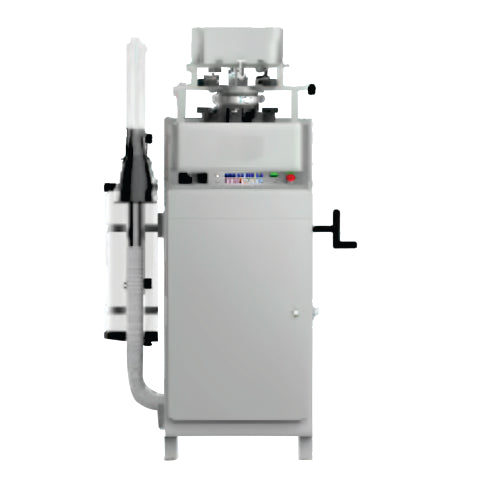
7 subcategories
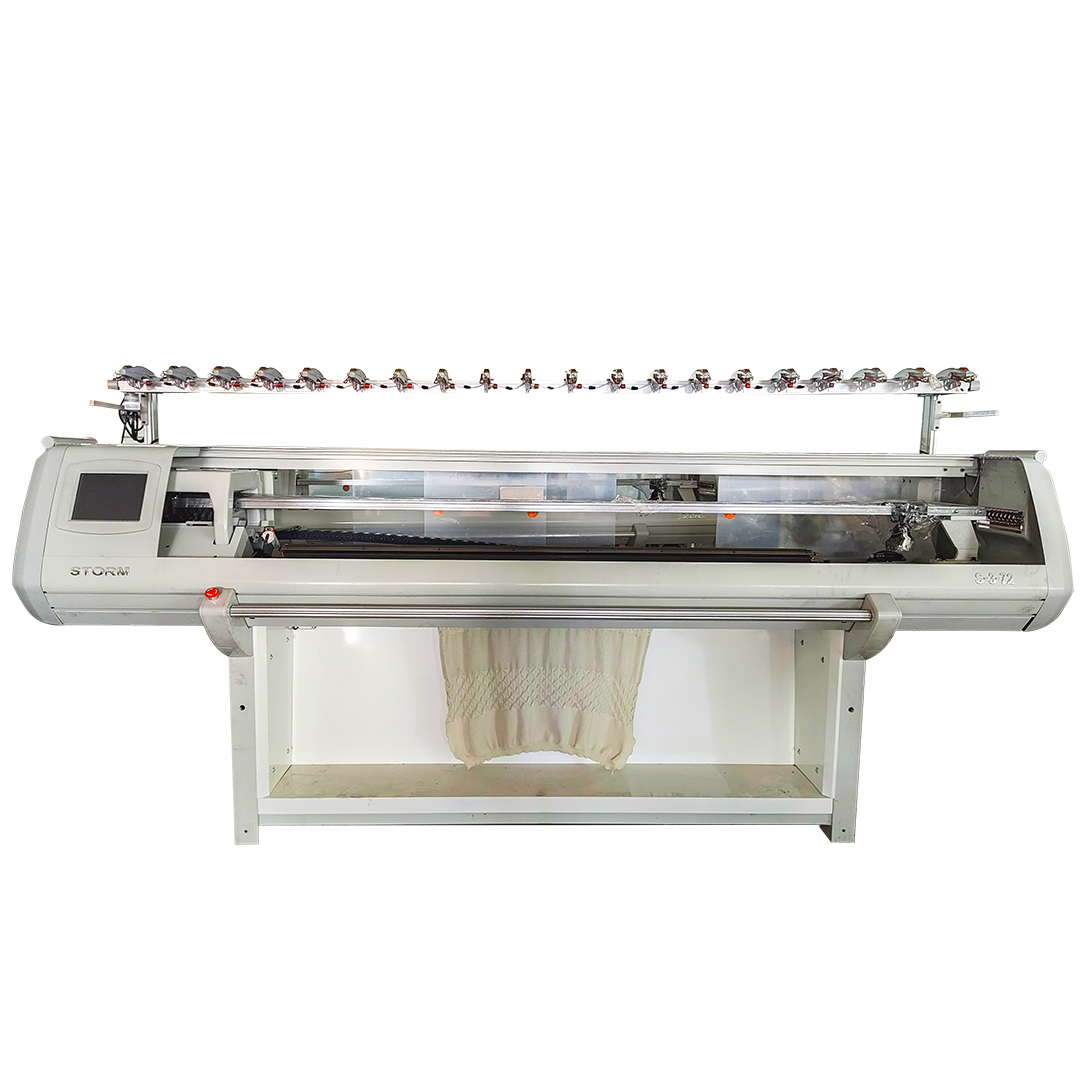
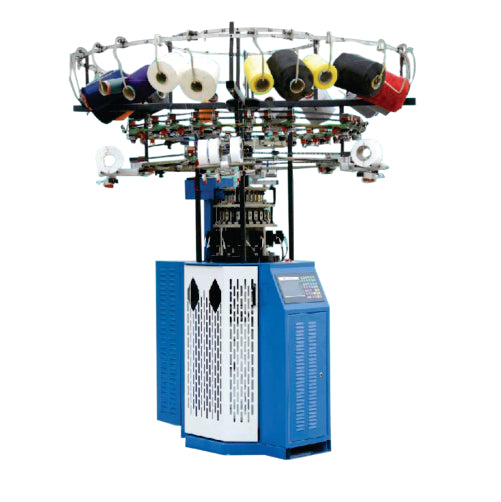
Textile knitting machines are used to convert yarn into knitted fabric and finished knitted products for different textile applications. Depending on the product and production process, different types of knitting machines are used for fabric, garments, hosiery, accessories and other knitted products.
Ramana Machines supplies knitting machines for different textile production requirements. Our range includes flat bed, circular, warp, cap, socks, scarf and legging knitting machines, along with textile warping equipment for yarn preparation.
As a textile machinery supplier, importer and distributor, we help businesses select suitable machinery according to their product, yarn, production capacity and automation requirements.
Modern industrial knitting machines are designed for continuous production where consistent fabric quality, production speed and reliable operation are important.
The right machine depends on what you want to produce. A circular knitting machine may be suitable for tubular fabric, while a flat bed knitting machine can be used for shaped and fashion-oriented knitted products. Other specialized machines are designed for socks, caps, scarves, leggings and warp-knitted fabrics.
Selecting machinery according to the actual production process helps improve machine utilization and makes operation easier for production teams.
Ramana Machines offers a range of textile knitting machines covering different stages and applications of knitted textile production.
A flat bed knitting machine uses a flat needle bed to create knitted structures and is widely used for shaped and fashion-related textile products.
Computerized flat bed machines can provide control over stitch settings and patterns, making them suitable for applications where product design and repeatability are important.
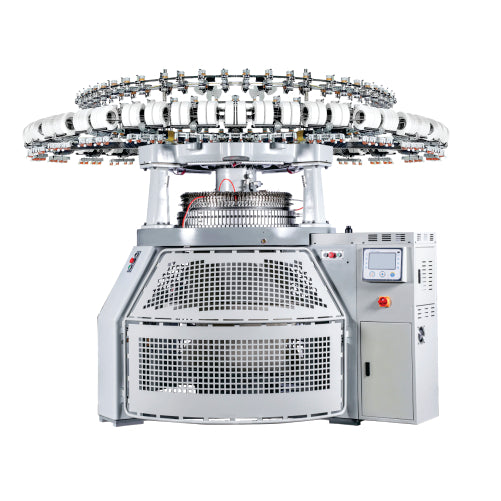
A circular knitting machine produces knitted fabric using needles arranged in a circular configuration. It is commonly used for producing tubular and knitted fabrics for apparel and other textile applications.
Depending on the machine type, circular knitting equipment can be used for single jersey, double jersey and other fabric structures.
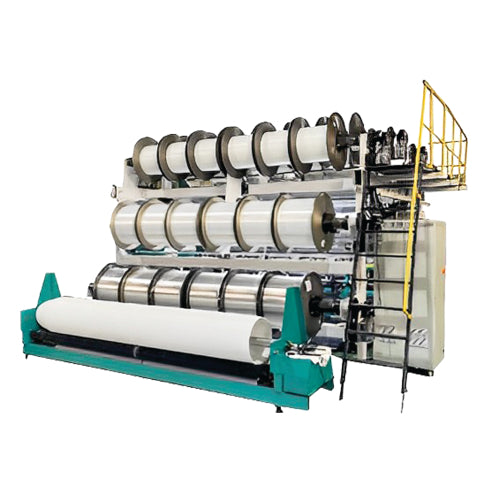
Warp knitting machines form knitted fabric by feeding yarns in the warp direction. They are used for producing fabrics with different structures, textures and performance characteristics.
Warp knitting equipment is commonly found in textile production where continuous fabric output and specific fabric structures are required.
A cap knitting machine is designed specifically for producing knitted caps and similar headwear products.
These machines can be suitable for businesses producing knitted caps in different designs, sizes and patterns. Computerized configurations can provide additional control over production settings and designs.
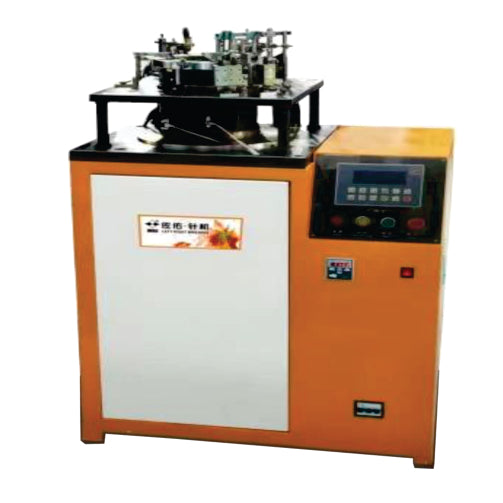
A socks knitting machine is designed for producing knitted socks and hosiery products. Depending on the machine configuration, it can support different sock designs, sizes, patterns and yarn types.
These machines are useful for dedicated hosiery production where repeatable sizing and consistent knitting are important.
A scarf and legging knitting machine is designed for producing knitted scarves, leggings and related fashion textile products.
Computerized jacquard machines can provide greater flexibility for patterned products, colour designs and repeatable production settings.
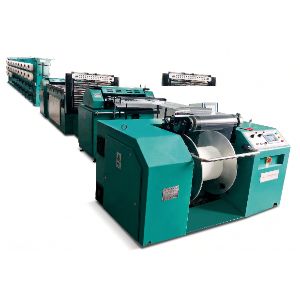
A textile warping machine is used for preparing yarn before it moves into the next stage of textile production. It arranges multiple yarn ends onto a beam with controlled winding and yarn tension.
Proper yarn preparation can help provide more consistent conditions for subsequent textile processes, particularly in weaving and related applications.
An automatic knitting machine can reduce manual operations and provide better control over production parameters. Automation is particularly useful for textile businesses that require repeatable production and regular output.
Depending on the machine type, automatic systems may help with functions such as stitch control, pattern settings, yarn handling and production monitoring.
The level of automation should be selected according to your production volume, product type and operator requirements.
Different products require different knitting technologies. Before purchasing knitting machines, consider the following factors:
Start with the product you want to manufacture. Fabric, socks, caps, scarves and leggings require different machine configurations.
Yarn material, count and characteristics can affect machine selection. Always check machine compatibility with the yarn used in your production.
Consider your required daily or monthly production before selecting an industrial knitting machine. Higher production requirements may require faster or more automated equipment.
Gauge and machine configuration influence the type of knitted structure and product that can be produced. Select these according to your required fabric or finished product.
An automatic or computerized machine may be suitable when consistent production settings, repeatability and reduced manual adjustment are important.
Availability of technical support, maintenance assistance and suitable spare parts is also important for long-term machine operation.
Ramana Machines provides textile knitting machine solutions for textile businesses looking for suitable machinery for different production applications.
We work as a textile knitting machine supplier, importer and distributor, offering machinery options based on production requirements rather than using a single machine type for every application.
Our services can include:
Whether you need an industrial knitting machine for fabric production or a specialized machine for socks, caps, scarves or leggings, we can help you identify suitable options.
Ludhiana is an important textile and hosiery production centre, making reliable access to textile machinery an important requirement for local businesses.
Ramana Machines serves customers in Ludhiana and other industrial locations in India with textile machinery solutions. As a textile machinery supplier company in Ludhiana, we provide access to different knitting machine categories and related textile equipment.
Customers can contact us for requirements involving flat bed, circular, warp, socks, cap, scarf and legging knitting machines, as well as textile warping equipment.
Selecting a knitting machine is a long-term production decision. Machine suitability, application, technical support and spare parts availability should all be considered before purchasing.
Ramana Machines focuses on providing practical machinery solutions with:
Our objective is to help customers select machinery that fits their actual production requirements.
Textile knitting machines are used across a wide range of textile and garment applications, including:
The suitable machine depends on the product, fabric structure, yarn and required production volume.
Looking for textile knitting machines, industrial knitting machines or an automatic knitting machine for your production unit?
Ramana Machines can help you explore suitable flat bed, circular, warp, cap, socks, scarf and legging knitting machines according to your production requirements.
Find answers to the most common questions about our machines, services and support.
Textile knitting machines are industrial machines used to convert yarn into knitted fabric or finished knitted products. Different machines are designed for different products and knitting methods.
Circular and warp knitting machines are commonly used for continuous fabric production, while flat bed machines are used for various shaped and flat knitted products. The suitable option depends on the required fabric structure and application.
An industrial knitting machine is used for regular or high-volume production of knitted fabrics and products. Different configurations are available for apparel, hosiery, accessories and industrial textile applications.
An automatic knitting machine uses automated controls to manage important knitting operations and production settings. It can help reduce manual work and improve production repeatability.
Yes. Ramana Machines supplies different categories, including flat bed, circular, warp, cap, socks, scarf and legging knitting machines, along with textile warping machines.
Consider your product, yarn, required fabric structure, gauge, production quantity, machine speed, automation level and technical support requirements before making a selection.
Computerized machines can provide greater control over patterns, stitch settings and repeatable production. They are useful when products require different designs or regular design changes.
Yes. Ramana Machines supplies and distributes textile machinery for customers in Ludhiana and other locations across India.