
Loading…
Loading…
Loading category…
Textile Printing Machine
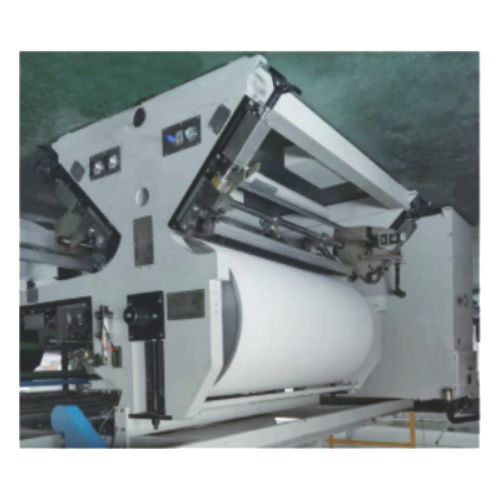
It is primarily used for single or multi-color fabric printing using gravure rollers and can also incorporate bronzing to achieve a gold-wrapping effect. This process is widely used in industries such as clothing, home textiles, decoration, and more.
View Details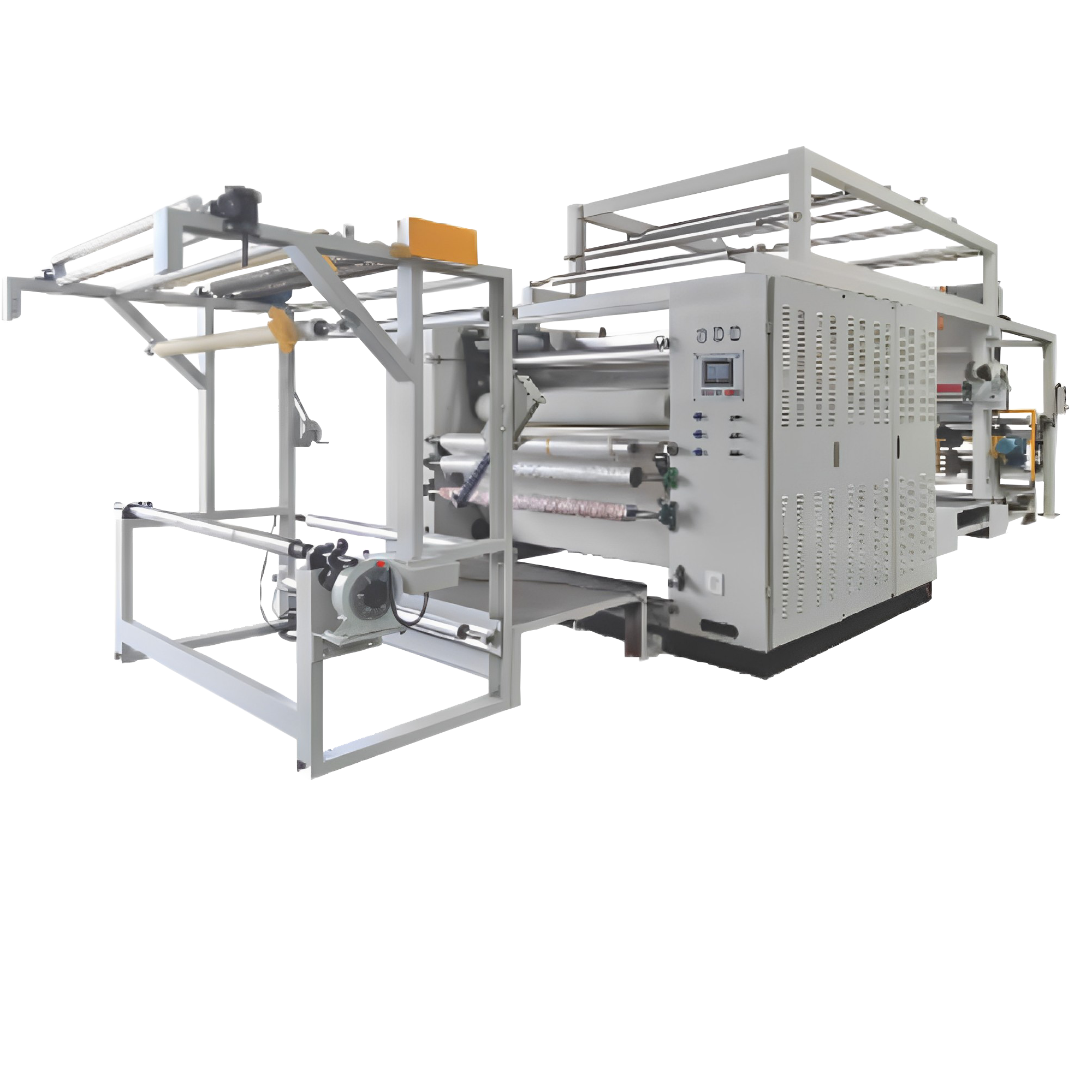
Textile Printing Machine
It is primarily used in the production of thermal transfer printing paper, thermal transfer films, and various fabrics for thermal transfer printing, gold wrapping, and other related processes.
View Details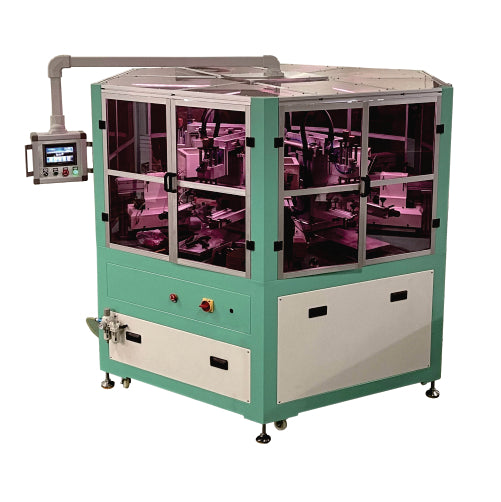
Textile Printing Machine
RM-408 Four Color Rotary Printing Machine - Model: RM-408; Maximum Printing Area: 100*150mm; Max Frame Size: 250*400mm.
View Details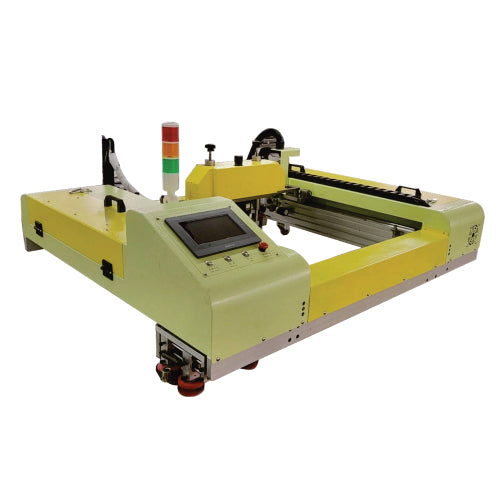
Textile Printing Machine
RM-1618 Automatic Printing Machine - Model: RM-1618; Input Power Supply: 220V; AC Power: 1.5KW.
View Details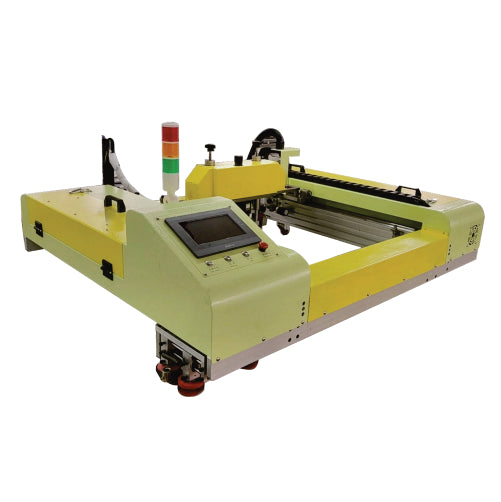
Textile Printing Machine
RM-1616 Automatic Printing Machine - Model: RM-1616; Input Power Supply: 220V; AC Power: 1.5KW.
View Details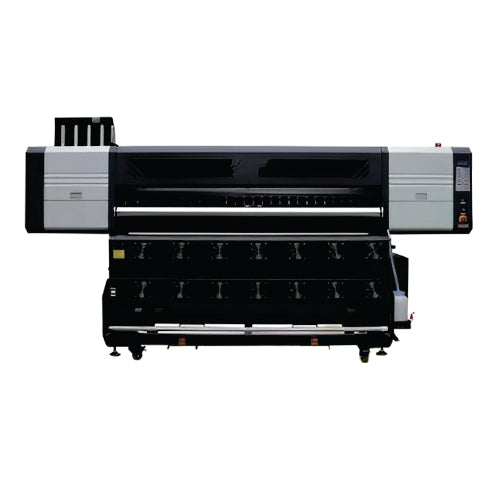
Textile Printing Machine
Exclusive self-developed all-aluminium ink stack, offering a more reliable and durable head.
View Details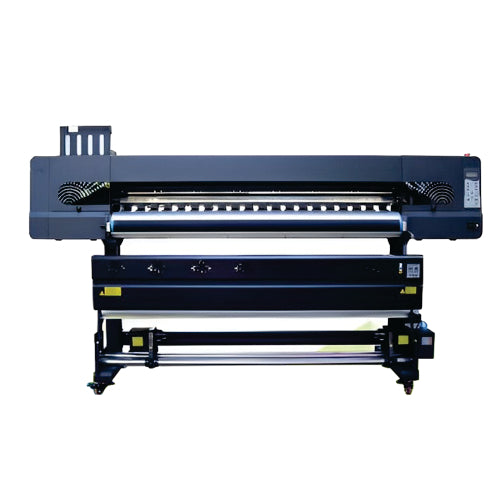
Textile Printing Machine
Exclusive self-developed all-aluminium ink stack, offering a more reliable and durable head.
View DetailsA textile printing machine is used to apply patterns, designs, colours, and decorative effects to fabrics and other textile materials. Textile printing plays an important role in garment manufacturing, home furnishing, fashion, and textile processing industries.
With different printing technologies available, manufacturers can select equipment according to their fabric type, design requirements, production volume, and printing method. At Ramana Machines, we supply a range of textile printing equipment, including automatic fabric printing, digital transfer printing, rotary printing, and heat transfer printing solutions.
Whether you are looking for a digital textile printing machine, a fabric printing machine, or an industrial printing solution, choosing the right equipment can help improve printing consistency and production workflow.
Textile printing is used to create decorative patterns, coloured designs, logos, and other visual effects on textile materials. The printing method depends on the substrate, design complexity, colour requirements, and production process.
A suitable textile printing machine can support applications such as:
Different printing technologies are used to achieve different results. Understanding the available machine types helps manufacturers select equipment that matches their production needs.
Machine Type | Application |
| Digital textile printing machine | Produces digital designs on suitable printing media for textile applications |
| Automatic fabric printing machine | Supports automated fabric printing operations |
| Rotary printing machine | Uses rotary printing technology for suitable printing applications |
| Heat transfer printing machine | Transfers printed designs from transfer media onto compatible fabrics |
| Gravure fabric printing machine | Uses engraved rollers for single or multi-colour printing |
| Multi-colour printing machine | Supports printing processes that require multiple colours |
A digital textile printing machine uses digital printing technology to produce designs from digital artwork. It is useful for businesses that need to process different designs and patterns without preparing a separate traditional printing setup for every design.
A digital textile printer may use suitable printing media, such as transfer paper, depending on its configuration. In heat transfer applications, the design is first printed onto transfer media and then transferred onto compatible fabric using a heat transfer process.
Digital printing solutions are commonly considered for:
A digital printing machine for fabric helps businesses produce detailed designs for textile applications. Depending on the printing technology, the design may be printed directly onto compatible fabric or onto transfer paper for subsequent heat transfer.
Before choosing a machine, check its printing media, printing width, printhead configuration, compatible inks, and whether an additional transfer process is required.
This is especially important when comparing digital printers, as direct-to-fabric printing and digital transfer printing are different processes.
A fabric printing machine is used to apply designs, patterns, and colours to textile materials. Different machines use different printing methods, including rotary, gravure, screen-based, and heat transfer processes.
The right machine depends on the type of fabric, design complexity, printing area, colour requirements, and production volume.
Fabric printing equipment is used by:
A textile label printer is used for printing information and designs on textile labels, depending on the printing technology and compatible label material. These labels may carry brand names, care instructions, sizes, product details, or identification information.
Textile label printing has different requirements from printing large fabric surfaces. Businesses should check label width, material compatibility, print resolution, and the type of printing technology before selecting a dedicated label printer.
Selecting suitable printing equipment can help textile businesses manage their printing operations and maintain consistent results.
Benefit | How It Helps |
| Design flexibility | Supports different patterns and artwork according to the printing method |
| Colour application | Enables single or multi-colour printing where supported |
| Consistent output | Helps maintain repeatability during production |
| Production efficiency | Supports organised and streamlined printing operations |
| Application variety | Serves garment, furnishing, decorative, and other textile requirements |
| Customisation | Helps businesses handle different design requirements |
Before purchasing a textile printing machine, consider your production requirements and the type of printing work you handle.
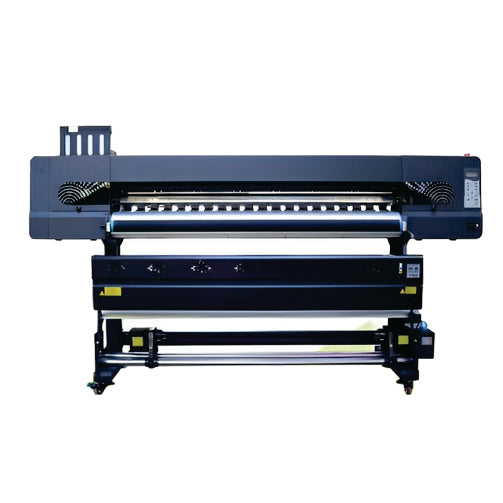
Ramana Machines supplies different printing solutions for textile and related applications. Our range includes the GQ-YH-20 Automatic Engineered Chromatic Printing Machine for single and multi-colour fabric printing using gravure rollers; the GQ-TJ-19E Blanket Type Heat Transfer Printing Machine for thermal transfer printing on fabrics and transfer media; and the RM-408 Four Color Rotary Printing Machine for multi-colour printing applications. We also offer the RM-1618 and RM-1616 Automatic Fabric Printing Machines, along with 3-Head and 8-Head High-Speed Digital Printing Machines designed for printing on thermal transfer paper.
Ramana Machines is a supplier, importer, and exporter of Chinese textile and industrial machinery, based in Ludhiana, Punjab. We serve businesses looking for suitable machinery for fabric printing, textile processing, and other production requirements.
Our range includes different printing technologies for businesses with varied material, design, and production needs. We help customers understand machine applications and identify suitable equipment according to their requirements.
If you are looking for a textile printing machine, digital textile printing machine, or fabric printing machine, contact Ramana Machines to discuss your application and machinery requirements.
Find answers to the most common questions about our machines, services and support.
A textile printing machine is used to apply designs, patterns, colours, and decorative effects to fabrics and other compatible textile materials. It is commonly used in garment, home furnishing, and textile processing industries.
A digital textile printing machine produces designs from digital artwork using compatible printing media. Traditional fabric printing methods may use screens, rollers, or other mechanical processes to apply designs. The suitable option depends on the printing requirements and production volume.
Some digital printing machines are designed for direct-to-fabric printing, while others print onto transfer paper or film. Always check the machine's specified media and whether a separate heat transfer process is required.
A heat transfer printing machine transfers a printed design from suitable transfer media onto compatible fabric using heat and pressure. It is used for textile designs, clothing materials, and decorative applications.
The right machine depends on the printing method, design, and material. Gravure, rotary, and digital printing technologies can support multi-colour applications, depending on their configuration.
Check the printing method, fabric compatibility, printing width or area, colour requirements, production capacity, media type, and technical support before selecting a machine.
A textile label printer is used to print information such as brand names, sizes, care instructions, and product identification on compatible textile labels. It may require a different setup from a general fabric printing machine.
Ramana Machines, based in Ludhiana, Punjab, supplies and exports textile and industrial machinery. Contact the team to discuss your fabric printing and digital printing requirements.