
Loading…
Loading…
Loading category…
Textile Rolling Machines
The winder can be selected based on the winding mode suited to different product processes.
View DetailsTextile rolling machines are widely used in fabric manufacturing, textile processing, and garment industries for winding, rolling, inspecting, and handling fabric in an organised manner. A suitable textile rolling machine helps businesses manage fabric rolls, maintain a consistent winding process, and improve material handling during production.
At Ramana Machines, we supply rolling machinery for different textile industry requirements. Whether you are looking for a fabric rolling machine, cloth rolling machine, or industrial fabric rolling machine, selecting suitable equipment can help streamline your fabric handling and processing operations.
Fabric rolling is an important part of textile production and processing. After manufacturing, dyeing, finishing, or inspection, fabrics may need to be wound into rolls for further processing, storage, or transportation.
A suitable fabric rolling machine helps manage this process with better organisation and less manual handling. These machines can support different fabric rolling requirements, depending on the fabric type, roll size, and production process.
Common applications include:
Different textile businesses have different fabric winding and rolling requirements. The selection of a machine depends on the material, roll dimensions, production volume, and intended application.
Machine Type | Common Application |
| Automatic fabric rolling machine | Fabric winding and rolling operations |
| Industrial fabric rolling machine | Regular fabric handling in production facilities |
| Cloth rolling machine | Rolling different types of cloth into organised rolls |
| Fabric inspection and rolling machine | Fabric inspection while winding material |
| Textile fabric winding machine | Winding fabric according to processing requirements |
An industrial fabric rolling machine can help textile businesses organise fabric handling and improve the efficiency of their production workflow.
Key Benefit | Business Advantage |
| Organised fabric rolls | Helps maintain neatly wound fabric |
| Better material handling | Makes fabric movement and handling easier |
| Inspection support | Supports fabric checking during the rolling process |
| Length measurement | Helps with material counting requirements |
| Production efficiency | Helps streamline regular rolling operations |
| Reduced manual handling | Can reduce the effort involved in fabric winding |
Before purchasing a fabric rolling machine, it is important to understand your production requirements. The right equipment should match the type of fabric you process and the way your facility handles finished material.
Consider the following points:
Ramana Machines is a textile machinery supplier in India, providing industrial machinery sourced from China for different textile production requirements. Based in Ludhiana, Punjab, we supply and export machinery to businesses looking for suitable equipment for their operations.
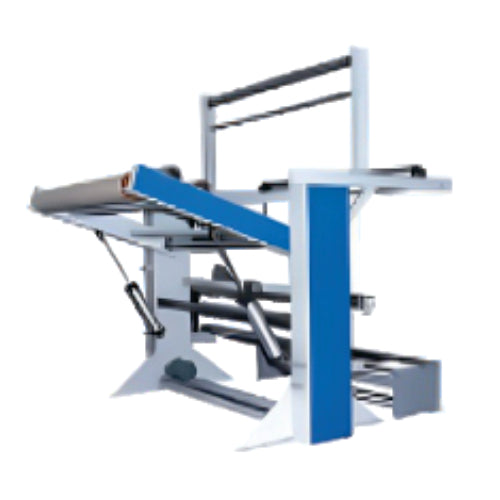
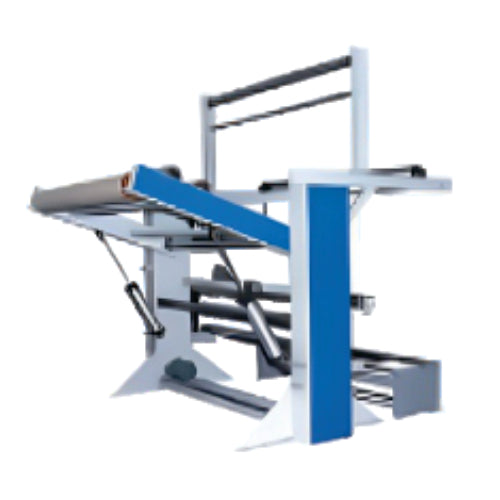
Our rolling machinery range includes the Automatic Fabric Rolling Machine, which is designed for fabric reeling, large and small roll winding, inspection, material counting, and non-stop reeling applications.
We help customers understand their machinery requirements and identify suitable equipment according to their fabric type and production needs. Contact Ramana Machines to discuss your requirements for a textile rolling machine, fabric rolling machine, or industrial cloth rolling equipment.
Find answers to the most common questions about our machines, services and support.
A textile rolling machine is used to wind fabric into rolls for further processing, inspection, storage, and transportation. It helps textile businesses manage fabric handling more efficiently.
The suitable fabric types depend on the machine's design and configuration. Machines may be selected for different knitted and woven fabric applications according to their processing requirements.
An automatic fabric rolling machine can support fabric winding and reeling operations. Depending on its configuration, it may also support inspection, material counting, and continuous reeling.
Both terms are used for equipment that winds textile material into rolls. The exact machine application and configuration may differ according to the fabric type and production process.
Check fabric compatibility, working width, roll dimensions, winding requirements, production capacity, operating arrangement, and after-sales support before making a decision.
Ramana Machines, based in Ludhiana, Punjab, supplies textile and industrial machinery. You can contact the company to discuss your fabric rolling requirements and suitable machinery options.