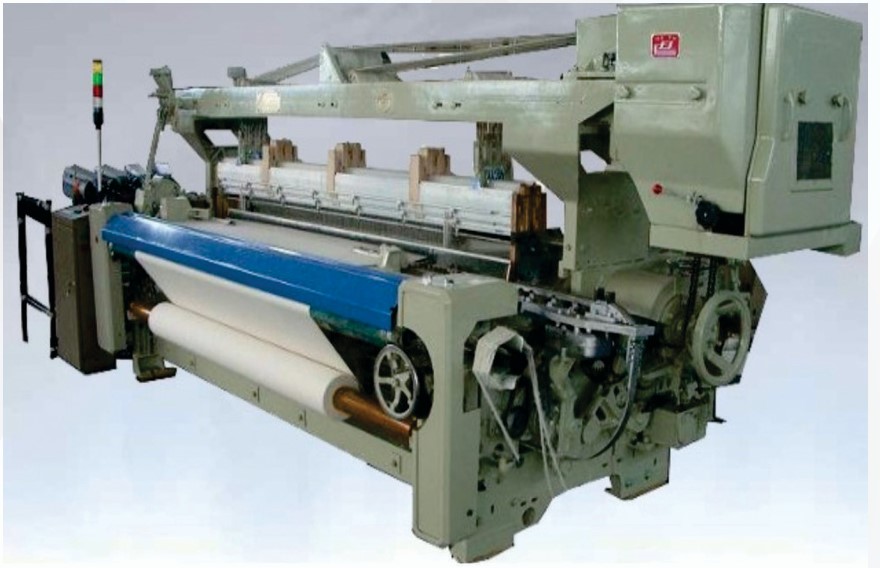
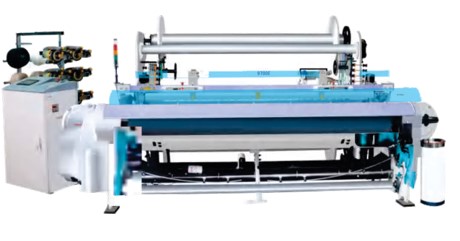
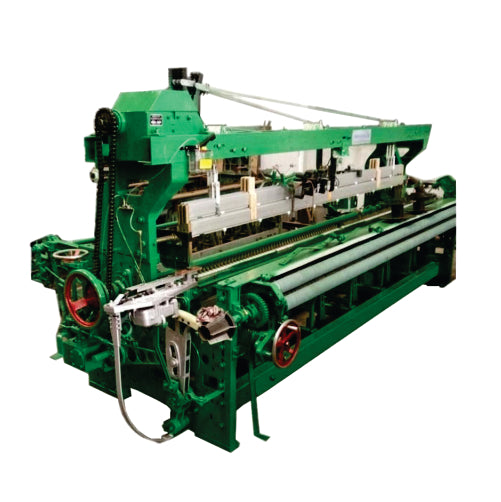
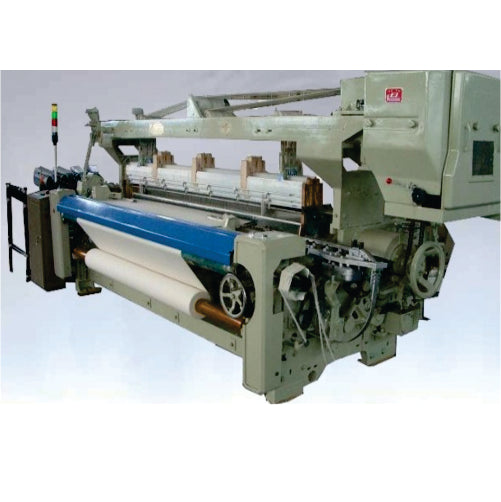
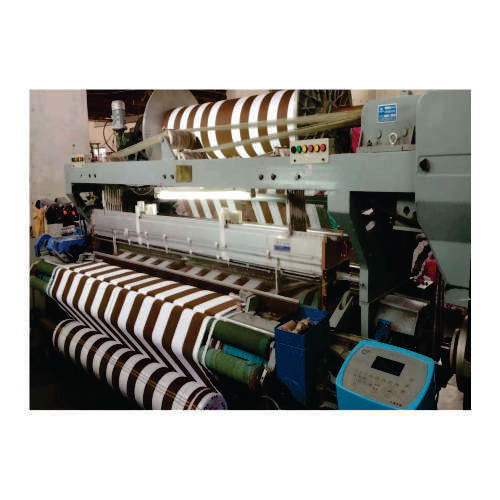
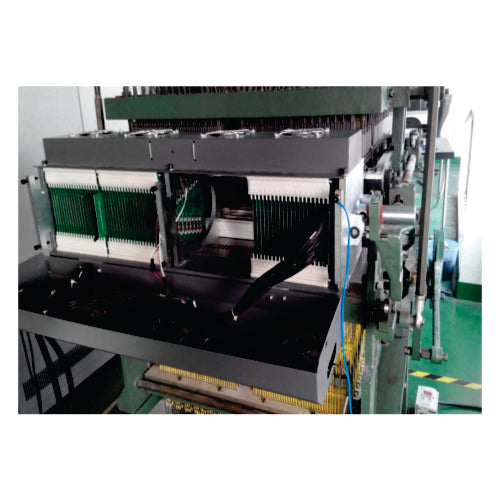
The SGD788 Shuttleless Rapier Loom is designed for efficient and reliable jute fabric weaving. It offers stable weaving performance, high productivity, and consistent fabric quality for industrial jute manufacturing. Contact Ramana Machines for machine details, specifications, and suitable weaving solutions.
A rapier loom machine is a modern weaving machine used to produce woven fabrics by carrying the weft yarn across the warp using a rapier system. Rapier weaving technology is known for its flexibility and ability to handle a wide range of yarns and fabric constructions.
A rapier loom machine can be used for different textile production requirements, including apparel fabrics, home textiles, furnishing fabrics and selected technical textiles. The appropriate machine depends on the fabric type, yarn characteristics, fabric width, design requirements and production volume.
Ramana Machines supplies textile weaving machinery for businesses looking for suitable rapier weaving solutions according to their production needs.
What Is a Rapier Loom?
A rapier loom is a shuttleless weaving machine that uses a rapier mechanism to insert the weft yarn into the warp shed. Instead of carrying the weft with a shuttle, the rapier transfers or carries the yarn across the width of the fabric.
The design of a rapier weaving loom allows it to work with different types of yarns and fabric structures. This makes rapier technology a flexible option for textile producers manufacturing a variety of woven fabrics.
What Is a Rapier Loom Machine Used For?
A rapier loom machine is mainly used for weaving fabrics where flexibility in yarn handling and fabric construction is important.
Depending on the machine configuration, applications can include:
Apparel fabrics
Home textile fabrics
Furnishing fabrics
Decorative fabrics
Curtain fabrics
Upholstery fabrics
Bedding fabrics
Cotton woven fabrics
Synthetic woven fabrics
Blended fabrics
Selected technical textiles
The exact application depends on the yarn, fabric construction and machine configuration.
How Does a Rapier Weaving Machine Work?
The working process of a rapier weaving machine involves coordinated warp preparation, shedding, weft insertion and beat-up.
1. Warp Preparation
Warp yarns are prepared and arranged according to the required fabric construction.
2. Shedding
The loom separates the warp yarns to create a shed for weft insertion.
3. Weft Insertion
The rapier carries or transfers the weft yarn across the warp shed.
4. Weft Transfer
Depending on the rapier system, the weft yarn can be transferred from one rapier to another or carried across the shed.
5. Beat-Up
The reed moves the inserted weft yarn into its correct position within the fabric.
6. Fabric Take-Up
The woven fabric is continuously taken up and wound as production continues.
The exact mechanism varies according to the type and configuration of the rapier loom.
Key Features of Rapier Loom Machines
Modern rapier loom weaving machines can offer features designed for flexible and efficient fabric production. Depending on the model, these may include:
Shuttleless weaving operation
Flexible weft insertion
Electronic machine controls
Automatic monitoring systems
Programmable weaving parameters
Suitable systems for different yarn types
Adjustable fabric settings
Consistent weft insertion
High production efficiency
Support for different fabric constructions
Electronic control and monitoring
Options for patterned fabric production
Actual features and specifications vary by machine model.
Applications of Rapier Loom Machines
A rapier loom machine can be used across different textile production segments because of its flexibility in handling yarns and fabric constructions.
Application
Use of Rapier Loom
Apparel Fabrics
Production of woven materials for shirts, trousers, jackets and other garments
Home Textiles
Weaving selected fabrics for household textile products
Furnishing Fabrics
Producing woven materials for interior and furniture applications
Curtain Fabrics
Creating suitable woven fabrics with different structures and designs
Upholstery Fabrics
Producing durable woven fabrics for furniture applications
Decorative Fabrics
Creating patterned and textured woven materials
Bedding Fabrics
Producing selected woven materials for bedding products
Cotton Fabrics
Weaving suitable cotton yarns into different fabric structures
Blended Fabrics
Processing suitable blended yarns for woven fabric production
One of the key benefits of a rapier weaving machine is its ability to handle a broad range of suitable yarns and fabric constructions.
Suitable for Different Fabrics
Rapier technology can be used for lightweight, medium-weight and selected heavier woven fabrics depending on the machine configuration.
Accurate Weft Insertion
The controlled rapier system helps place the weft yarn accurately across the warp shed.
Suitable for Patterned Fabrics
A rapier jacquard machine configuration can be used when the production process requires both rapier weaving and jacquard-controlled pattern formation.
Reduced Shuttle Movement
As a shuttleless weaving technology, a rapier loom does not require a traditional shuttle to carry the weft yarn across the fabric.
Production Flexibility
Rapier weaving can support different fabric constructions and production requirements, making it useful for textile businesses producing multiple fabric types.
Rapier Jacquard Machine
A rapier jacquard machine combines rapier weaving technology with a jacquard system for producing fabrics with more detailed woven patterns.
The rapier system handles weft insertion, while the jacquard mechanism controls warp yarn selection according to the required design.
This combination can be useful for applications such as:
Decorative fabrics
Fashion fabrics
Furnishing fabrics
Curtain fabrics
Upholstery materials
Patterned home textiles
Complex woven designs
The suitability of a rapier jacquard configuration depends on the required fabric structure, pattern complexity, yarn and production requirements.
Rapier Loom vs Other Weaving Machines
Different weaving technologies use different methods for inserting the weft yarn.
Loom Type
Weft Insertion Method
Typical Consideration
Rapier Loom
Rapier system
Flexible for different yarns and fabric constructions
Air Jet Loom
Compressed air
High-speed weaving of suitable yarns and fabrics
Water Jet Loom
Water flow
Commonly used with suitable hydrophobic synthetic yarns
Projectile Loom
Projectile
Suitable for selected heavy or technical weaving applications
The right machine should be selected according to fabric requirements, yarn properties, production volume and machine configuration.
How to Choose the Right Rapier Weaving Machine?
Before purchasing a rapier weaving machine, consider the following factors.
Fabric Type
Identify the fabrics you intend to produce and check whether the machine configuration is suitable for the required construction.
Yarn Type
Consider yarn material, count, strength and other characteristics that can affect weaving performance.
Fabric Width
Select an appropriate loom width according to your required fabric range.
Production Requirement
Consider your expected production volume and operating schedule.
Weft Insertion System
Review the rapier design and weft insertion method to ensure it matches your production requirements.
Pattern Requirements
If your production involves complex patterns, consider a suitable jacquard configuration.
Automation and Controls
Review the machine's electronic controls, monitoring functions and available automation features.
Technical Support
Consider installation, operator training, spare parts and technical assistance when evaluating suppliers.
Rapier Loom Machine Supplier
Choosing the right rapier loom supplier is important because the purchase involves more than the machine itself. Businesses should consider technical support, installation assistance, spare parts availability and long-term service.
When evaluating a rapier loom machine supplier, consider:
Machine configuration
Fabric compatibility
Yarn compatibility
Production capacity
Fabric width
Automation features
Technical support
Spare parts availability
Installation assistance
After-sales service
Ramana Machines supplies textile machinery solutions according to different production requirements and can help businesses evaluate suitable weaving equipment.
Rapier Weaving Machine for Textile Production
A rapier weaving machine can form an important part of a complete textile weaving line. Depending on the production setup, the weaving process may involve:
Yarn preparation
Warping
Sizing where required
Rapier weaving
Fabric inspection
Fabric finishing
Fabric handling and storage
Considering the complete production process helps businesses select machinery that works effectively with other equipment.
Maintenance of Rapier Loom Machines
Regular maintenance is important for stable weaving performance and consistent fabric quality.
Recommended maintenance practices include:
Keep the loom clean and free from excessive lint.
Inspect the rapier system regularly.
Check the weft insertion mechanism.
Inspect warp and yarn paths.
Monitor machine sensors and controls.
Check moving components for wear.
Follow the recommended lubrication schedule.
Inspect electrical and electronic systems.
Replace worn components when required.
Follow the machine manufacturer's maintenance instructions.
Maintenance requirements can vary according to the machine model and operating conditions.
Why Choose Ramana Machines?
Ramana Machines supplies textile machinery for different textile production requirements. For businesses looking for a rapier loom, rapier machine or complete weaving solution, machinery selection can be based on the actual application.
Important selection factors include:
Fabric type
Yarn characteristics
Fabric width
Production capacity
Weaving structure
Pattern requirements
Automation requirements
Technical support
Spare parts requirements
This helps businesses select equipment according to their production needs rather than focusing only on individual machine specifications.
Explore Rapier Weaving Solutions
Explore rapier loom weaving machines, rapier loom machines and suitable rapier weaving machines for flexible woven fabric production. Choose the right weaving solution according to your fabric, yarn, production volume and design requirements.
Related
Customers also viewed
5.0 / 5
Rapier Loom Machine
SGD736 Shuttleless Rapier Loom
The SGD736 Shuttleless Rapier Loom is designed for efficient, stable, and reliable fabric weaving. It delivers consistent production performance and high-quality fabric output for modern textile manufacturing. Contact Ramana Machines for machine specifications, pricing, and technical support.
RM 999E High Speed Rapier Weaving Loom is an efficient textile weaving machine designed for high-speed, stable, and precise fabric production. Ramana Machines provides suitable weaving machinery solutions for modern textile manufacturing requirements.
Fabric suitability: suitability for most jacquard-weaving applications such as trademarks, ties, terry towel, scarfs, stalls, shawls, decorative fabrics, curtain cloth, sofa cloth, Indian saree, bedsheet.