
Blog
What Is a Flat Bed Knitting Machine? A Complete Beginner’s Guide
By Ramana Machines · August 17, 2026
Flat Bed Knitting MachinesKnitting Machine InstallationKnitting Machine SetupKnitting Machine MaintenanceKnitting Machine Troubleshooting
Loading…
Loading…
Loading blog…
Blog
By Ramana Machines · August 17, 2026
Learn what a flat bed knitting machine is, how it works, its applications, benefits, and important points for beginners before buying or operating one.
If you are new to textile machinery, you may have come across the term flat bed knitting machine while researching knitting equipment. But what exactly is it, how does it work, and where is it used?
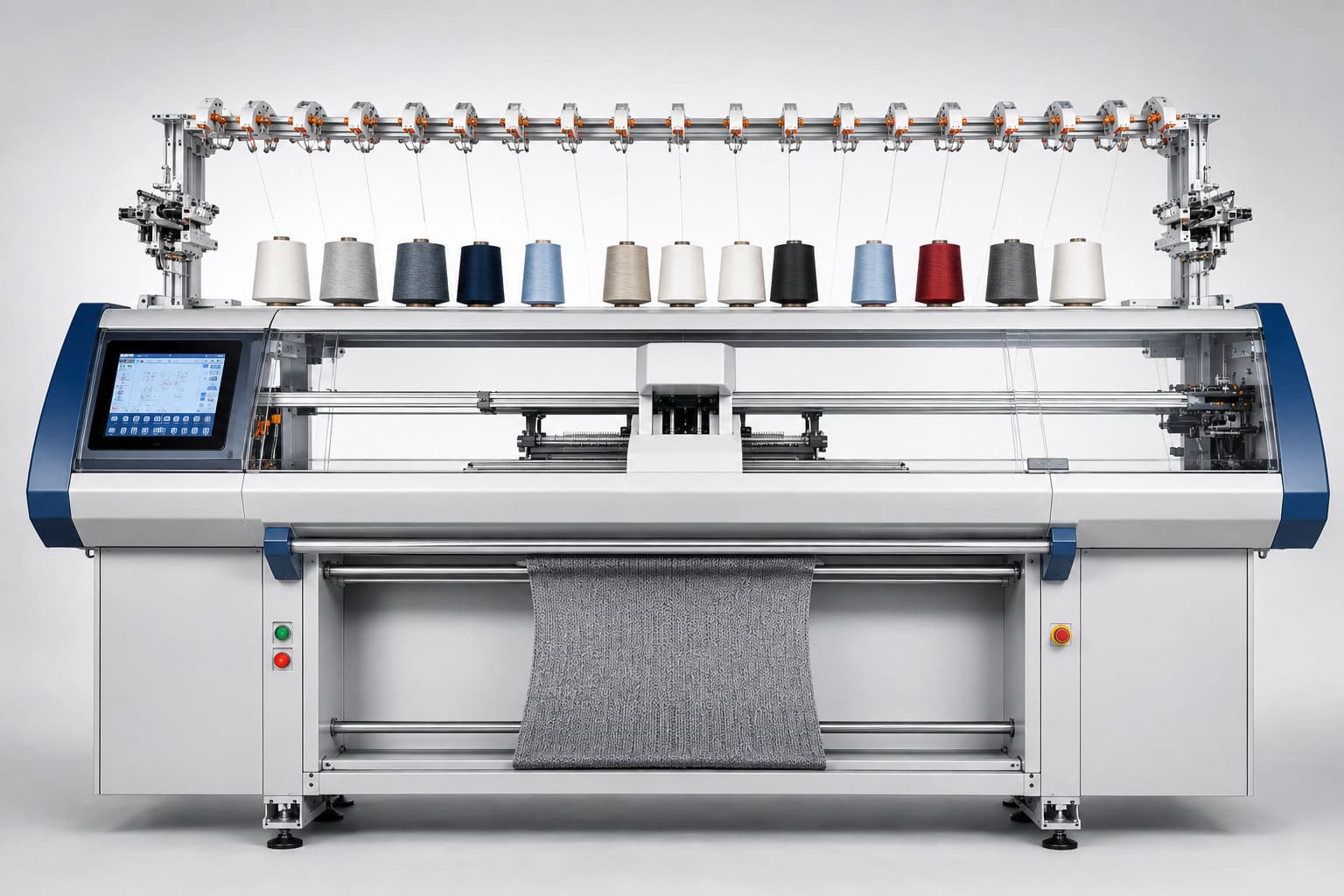
In simple terms, a flat bed knitting machine is used to make knitted fabric and shaped knitted components by forming loops of yarn with a series of needles. It is widely used in garment and textile production because it provides good control over fabric structure, patterns, and shapes.
Let us understand the machine and its working process step by step.
A flat bed knitting machine is a textile machine in which needles are arranged on a flat needle bed. The needles work with yarn to form connected loops, creating rows of knitted fabric.
Depending on the machine design, flat knitting machines can be manual, semi-automatic, or computerized. Modern computerized machines can control needle movement, stitch settings, and patterns through programmed instructions.
One of the main advantages of flat knitting is its flexibility. The machine can be used to produce different designs, stitch structures, and shaped sections according to the production requirement.
Although modern machines can have many advanced features, the basic knitting process is quite simple.
The process starts with yarn. The yarn passes from the yarn package through the feeding and guiding system and reaches the knitting area.
Yarn tension needs to be properly controlled. If the yarn is too tight or too loose, it can affect the knitting process and final fabric quality.
The needles are positioned in the needle bed. Each needle helps form a loop of yarn.
As the machine operates, the needles move in a controlled sequence to create new loops while working with the loops already formed.
In many flat knitting machines, the carriage moves across the needle bed. It controls the movement of the needles and helps them perform the required knitting action.
The carriage and needle system work together to create each row of fabric.
As new rows are formed, the knitted fabric moves away from the needle bed through the take-down system.
This process continues row by row until the required fabric length or garment section is produced.
In computerized machines, the same basic process is controlled more precisely through electronic settings and programmed patterns.
Flat knitting machines are commonly used when manufacturers need flexibility in fabric design and garment shape.
Typical applications include:
The exact application depends on the machine type, gauge, yarn, and production requirements.
A major reason manufacturers choose flat knitting technology is its flexibility.
The machine can produce different stitch structures, patterns, and shapes. This makes it suitable for manufacturers producing a variety of knitted products rather than only one standard fabric.
Computerized models can provide additional control over patterns and production settings, which can help improve consistency when the machine is correctly set up and operated.
However, machine performance does not depend on the machine alone. Yarn quality, machine settings, operator skills, maintenance, and correct installation all have an important role in achieving consistent results.
If you are operating a flat knitting machine for the first time, start by understanding its main components, including the needle bed, needles, carriage, yarn feeder, and take-down system.
You should also learn how to:
Proper operator training is especially important for computerized machines because incorrect settings can affect both production and fabric quality.
Choosing a flat bed knitting machine should start with your actual production requirements. Consider the type of products you want to manufacture, required production capacity, machine gauge, yarn type, pattern requirements, and level of automation.
It is also important to look beyond the machine itself. Installation support, operator training, spare-parts availability, maintenance, and technical assistance can make a significant difference to long-term production.
At Ramana Machines, we focus on helping textile manufacturers understand these requirements before selecting a machine. A clear understanding of your production needs can help you choose equipment that is practical, reliable, and suitable for your manufacturing process.
Related
24 Sept 2026
24 Sept 2026
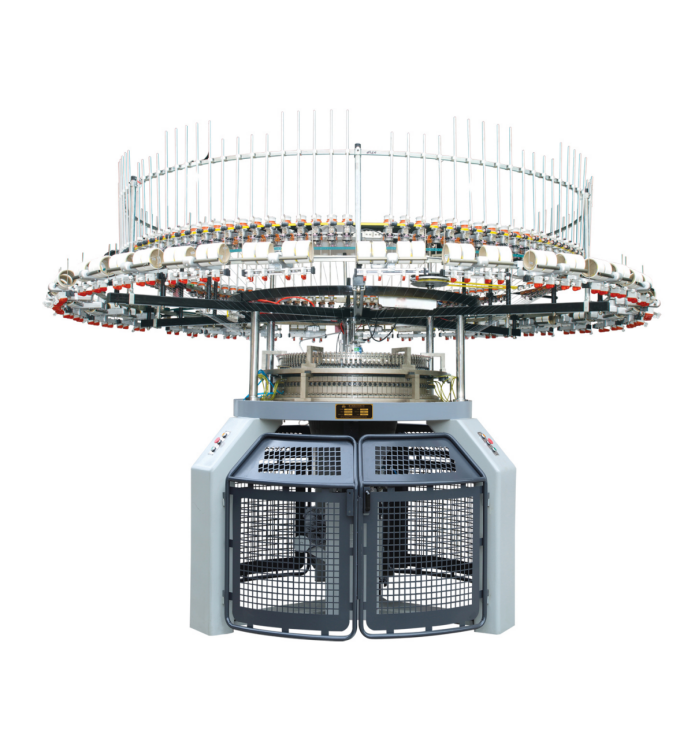
Learn why dropped stitches occur in circular knitting machines and how to check needles, latches, yarn tension, feeding, sinkers, cams, and machine settings.
View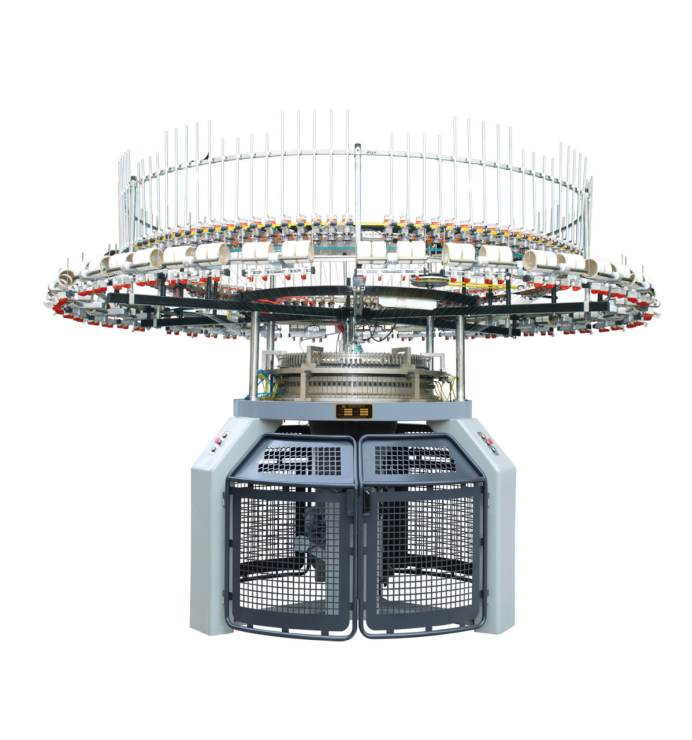
24 Sept 2026
24 Sept 2026
Learn how to find and fix vertical lines in knitted fabric caused by damaged needles, needle alignment, cylinder issues, sinker problems, cam wear, and yarn tension.
View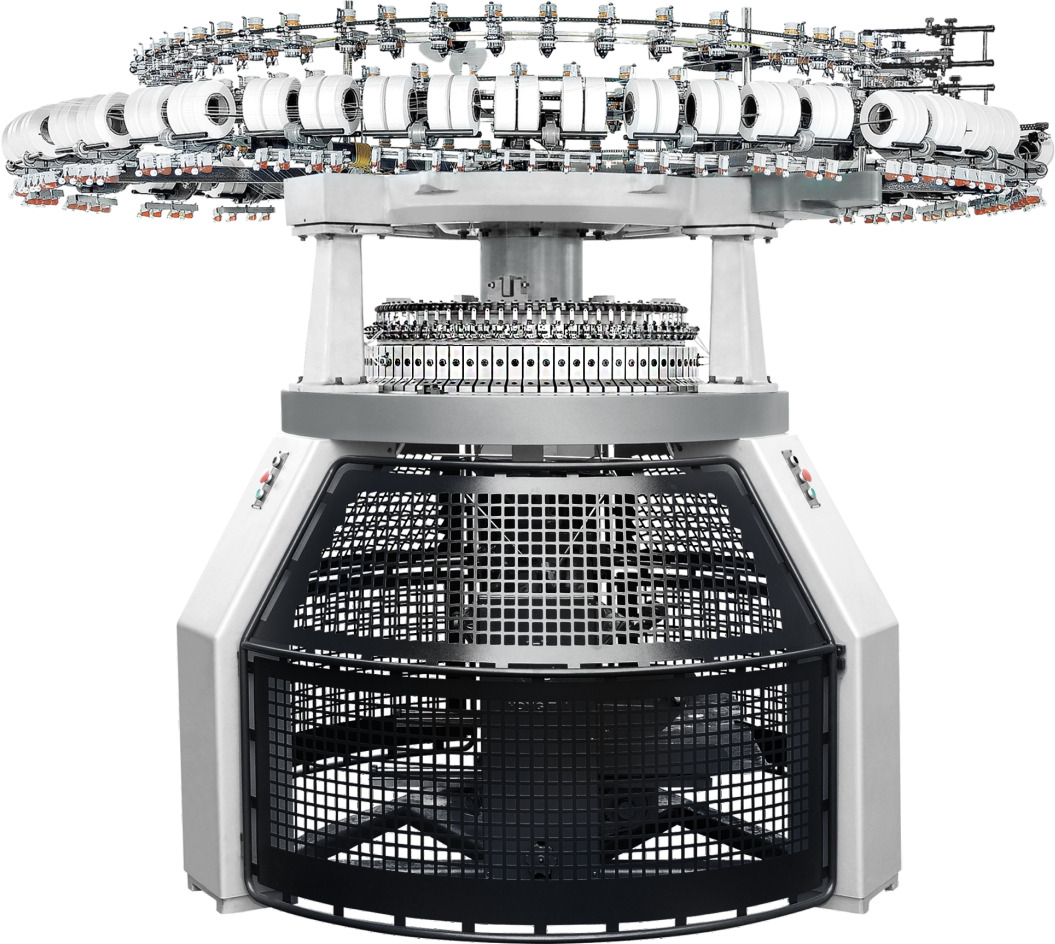
21 Sept 2026
21 Sept 2026
Learn the common causes of circular knitting machine needle breakage, including wrong needle selection, high yarn tension, worn cams, timing problems, yarn quality, machine speed, sinkers, and lubrication.
View