
Loading…
Loading…
Loading…
Loading category…
Category
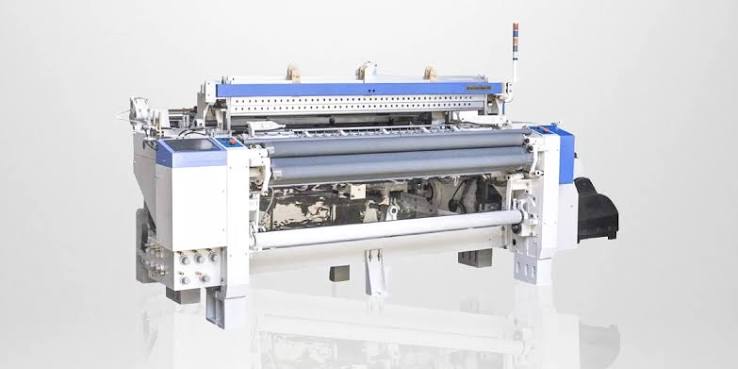
Air jet looms are high-speed weaving machines designed to produce woven fabrics by using a controlled stream of air to carry the weft yarn across the warp. An air jet loom machine is suitable for textile production where high weaving speed, consistent fabric quality and efficient operation are important.
Ramana Machines supplies weaving solutions for different textile production requirements, helping businesses choose suitable air jet weaving machines based on fabric type, yarn, production volume and machine configuration.
An air jet loom is a modern weaving machine that uses compressed air to insert the weft yarn through the warp shed. Unlike traditional shuttle-based weaving, the weft yarn is carried across the fabric by air.
The controlled air flow helps achieve fast weft insertion and supports continuous fabric production. An air jet textile machine can be used for various woven fabric applications, particularly where high production speed and consistent weaving are required.
The basic working process of an air jet weaving machine includes:
The exact working system and settings depend on the loom design, fabric construction and yarn being used.
Modern air jet looms are designed for efficient and continuous weaving operations. Depending on the machine model and configuration, common features can include:
When selecting an air jet loom machine, the actual specifications should be checked according to the fabric, yarn and production requirements.
An air jet weaving machine can be used for a wide range of woven fabric production requirements. Its suitability depends on yarn characteristics, fabric construction, width and machine configuration.
Application | Use of Air Jet Loom |
| Polyester Fabrics | High-speed weaving of suitable polyester yarns |
| Cotton Fabrics | Production of compatible cotton woven fabrics |
| Synthetic Fabrics | Weaving suitable synthetic yarns into woven fabrics |
| Apparel Fabrics | Production of woven materials for garments |
| Home Textiles | Weaving selected fabrics for household textile products |
| Shirting Fabrics | Production of suitable woven fabrics for shirts and similar garments |
| Lightweight Fabrics | Continuous weaving of compatible lightweight materials |
| Medium-Weight Fabrics | Production of suitable medium-weight woven fabrics |
| Industrial Fabrics | Weaving selected fabrics for industrial applications |
Choosing an air jet loom can provide several advantages for suitable textile production applications:
Air jet weaving supports fast weft insertion, making it suitable for production environments where high output is required.
The automated weaving process allows continuous fabric production with less manual intervention.
Proper machine settings, yarn preparation and regular maintenance can help maintain consistent fabric construction.
An air jet textile machine can support modern weaving operations where automation, production speed and process control are important.
Automated controls and continuous fabric formation can reduce the amount of manual handling required during normal production.
Before purchasing an air jet loom machine, textile manufacturers and weaving businesses should consider several factors:
Identify the fabrics you plan to produce. Different fabrics require different weaving conditions and machine configurations.
Check yarn material, count, strength and other properties to ensure compatibility with the selected loom.
Choose a machine configuration that matches your required fabric width and production range.
Consider your expected production volume and operating schedule. High-volume production may require a suitable high-speed configuration.
Review the machine's control system, monitoring functions and available automation features.
Because air jet weaving uses compressed air, the compressed-air system and operating requirements should be considered during machine selection.
Reliable technical support and availability of suitable spare parts are important for maintaining machine performance over time.
Selecting the right supplier is an important part of purchasing weaving machinery. Ramana Machines provides textile machinery solutions for businesses looking for suitable weaving and textile production equipment.
As an industrial equipment supplier, Ramana Machines focuses on supplying machinery according to the application and production requirements of customers.
When evaluating an air jet loom supplier, consider:
An industrial air jet loom is generally selected for weaving operations where continuous production and high weaving speed are important. The machine can be integrated into a wider textile production process along with yarn preparation, warping, sizing, inspection and fabric finishing equipment.
For businesses planning a new weaving line or upgrading existing equipment, it is useful to evaluate the complete production process rather than selecting a loom based only on speed.
Regular maintenance helps support stable machine operation and fabric quality. Important maintenance practices include:
Correct maintenance requirements vary by machine model, so the manufacturer's operating and maintenance instructions should always be followed.
Ramana Machines supplies textile machinery for different production requirements and helps customers identify suitable equipment based on their application.
For businesses looking for an air jet weaving machine, the selection can be evaluated according to:
The goal is to provide a suitable weaving solution rather than simply selecting equipment based on machine speed.
Choose the right air jet loom machine according to your fabric, yarn, production capacity and weaving requirements. Ramana Machines can help you explore suitable textile weaving machinery and related equipment.
Find answers to the most common questions about our machines, services and support.
An air jet loom machine is a weaving machine that uses a controlled stream of compressed air to carry the weft yarn across the warp shed and form woven fabric.
An air jet loom uses compressed air for weft insertion, while a water jet loom uses a controlled water stream. The suitable machine depends mainly on yarn, fabric and production requirements.
Air jet looms can be used for various suitable woven fabrics, including selected cotton, polyester and synthetic fabrics. Compatibility depends on yarn characteristics and machine configuration.
Yes, air jet weaving is designed for high-speed weft insertion and is commonly considered for continuous, high-volume weaving applications.
Consider fabric type, yarn type, fabric width, required production volume, machine configuration, automation, compressed-air requirements, technical support and spare parts availability.
Yes. The weft insertion system uses compressed air, so the air supply and operating requirements are important when planning the weaving setup.
Regular cleaning, inspection of air-related components, checking sensors and yarn paths, lubrication, monitoring fabric quality and timely replacement of worn parts are important maintenance practices.