
Loading…
Loading…
Loading category…
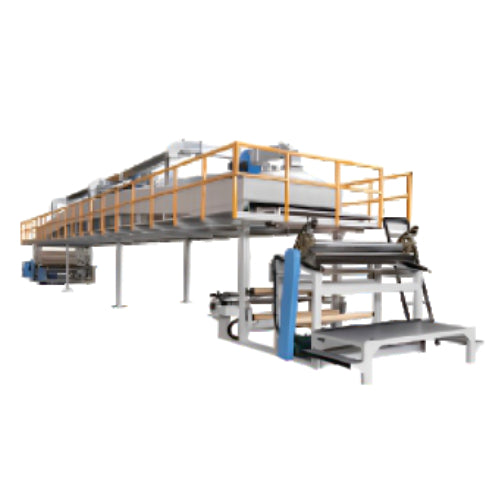
Fabric Lamination Machine
It is used for adhesive lamination of materials such as sponges, cloth, non-woven fabrics, wool, EVA leather, artificial cotton, and others.
View Details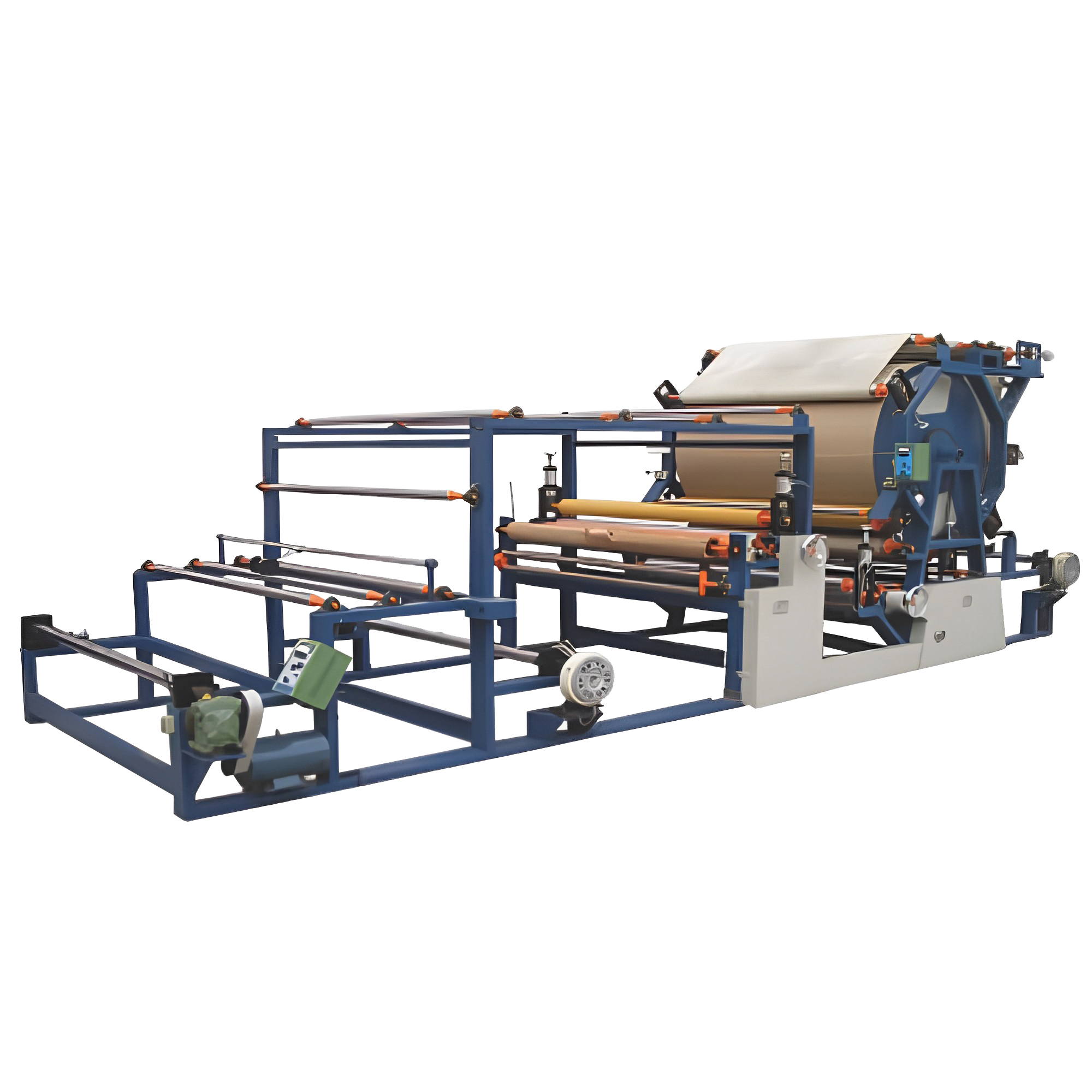
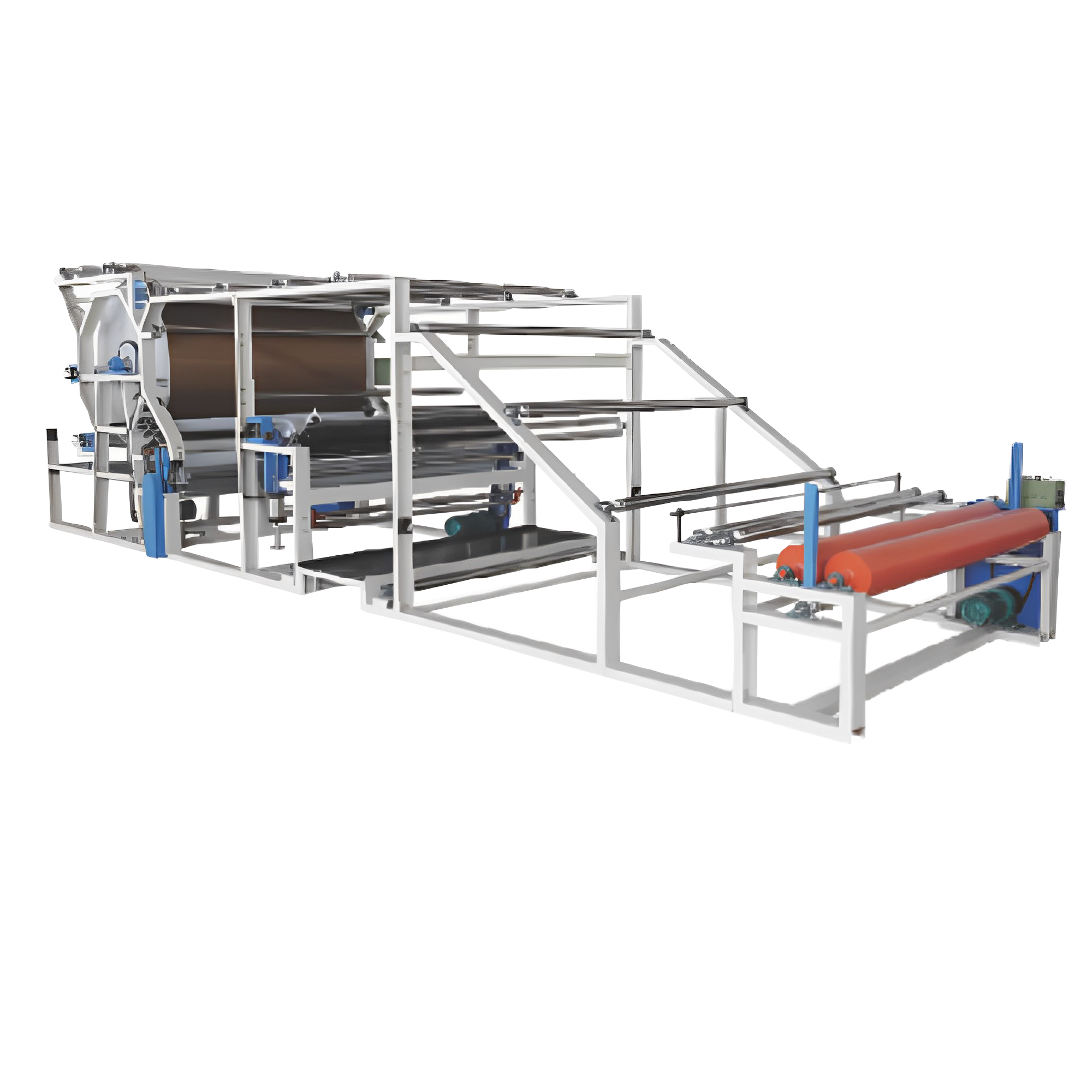
Fabric Lamination Machine
It is primarily used for laminating various specifications of paper to cloth and cloth to film.
View Details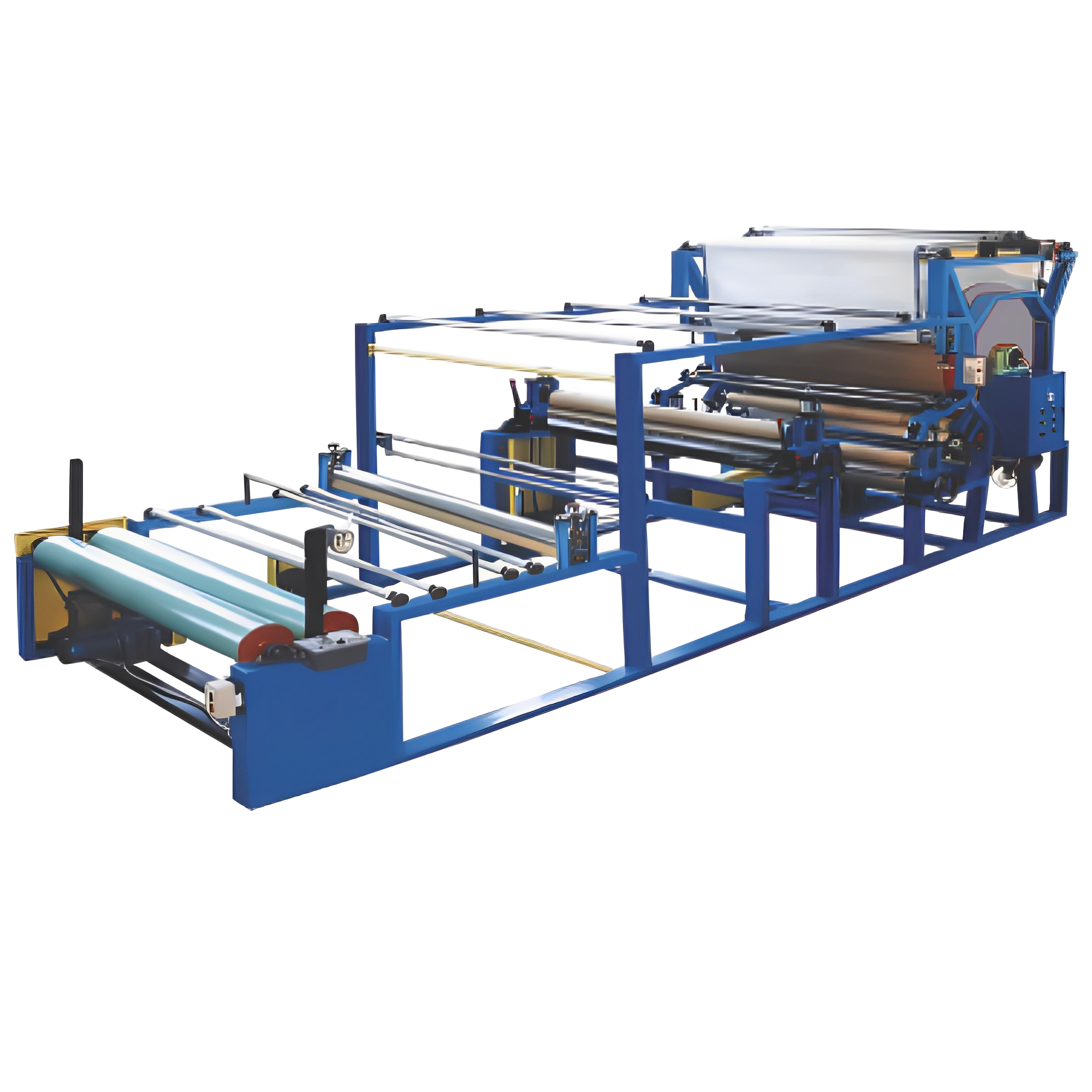
Fabric Lamination Machine
It is suitable for laminating between coils and coils or between coils and sheets, such as foam, TPU, EVA, foam carpets, straw mats, cardboard, artificial leather, cloth, and other substrates.
View Details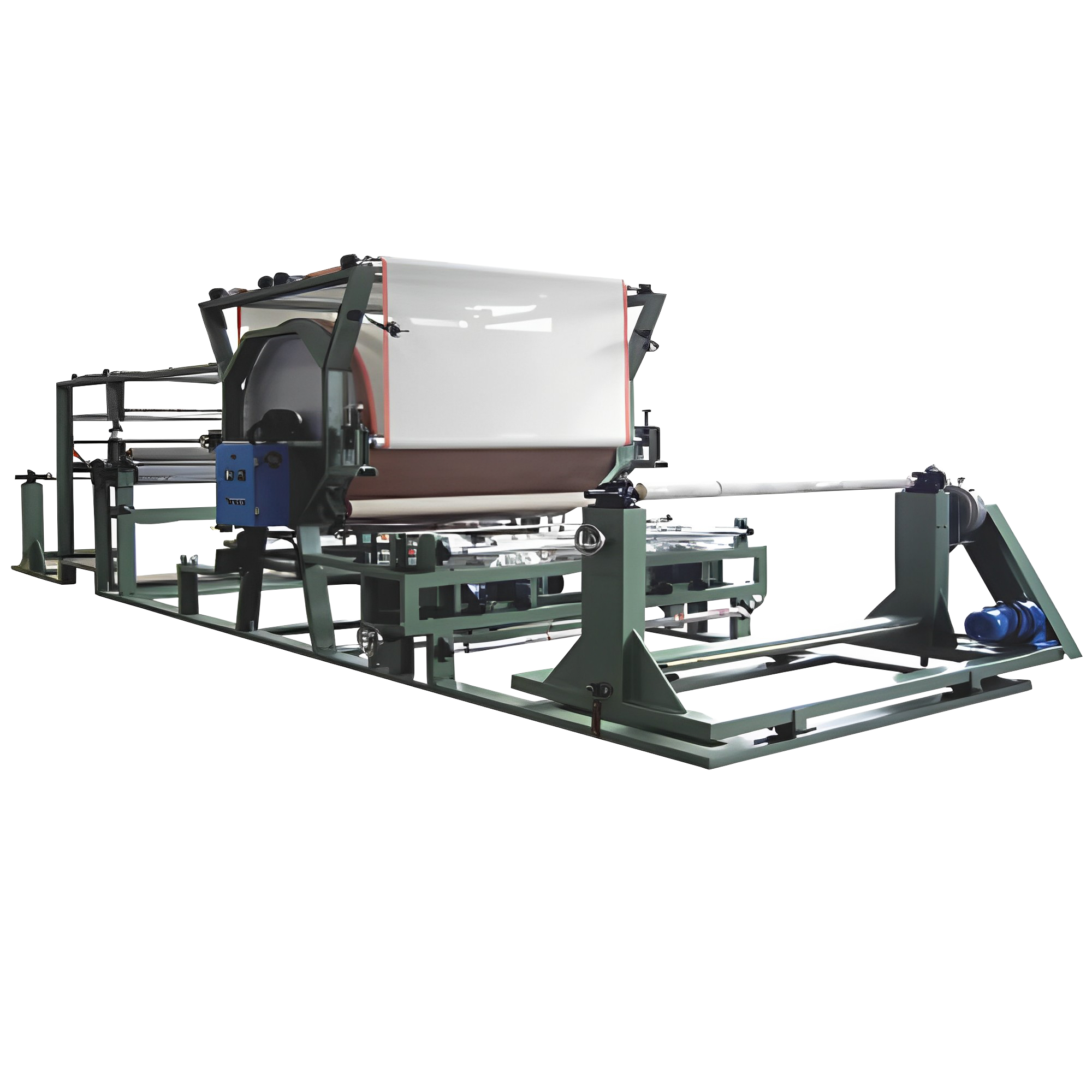
Fabric Lamination Machine
It is primarily used for laminating PE breathable films and non-woven fabrics. This technology is widely used in the production of self-heating products, surgical gowns, disposable urine pads, and other similar products.
View Details
Fabric Lamination Machine
It is primarily used for laminating between coils and coils, including materials such as sponges, cloth, plastic leather, EVA, cardboard, seat cushions, mattresses, carpets, toys, footwear, hats, bags, and other substrates.
View Details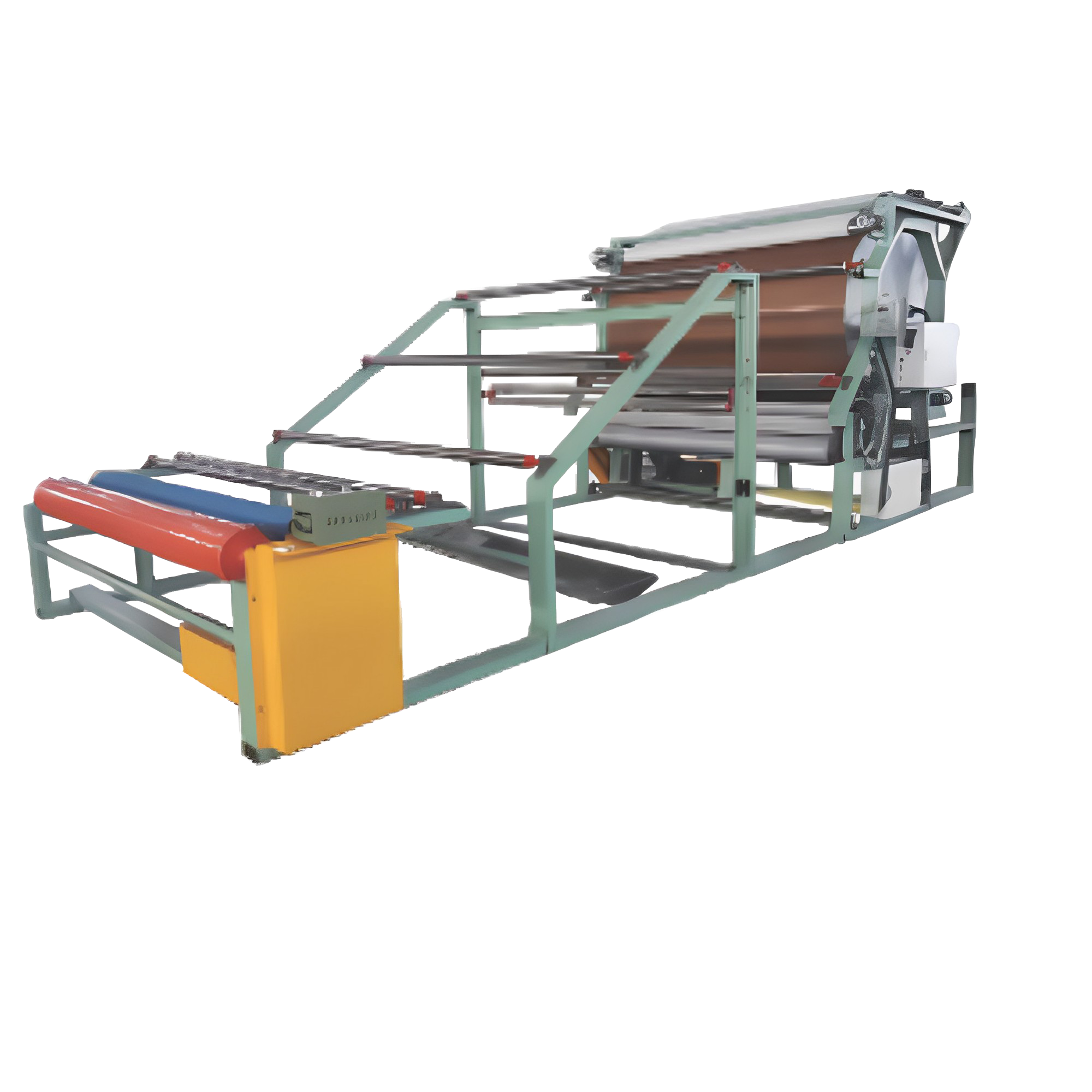
Fabric Lamination Machine
It is primarily suitable for laminating between coils and coils, or coils and sheets.
View Details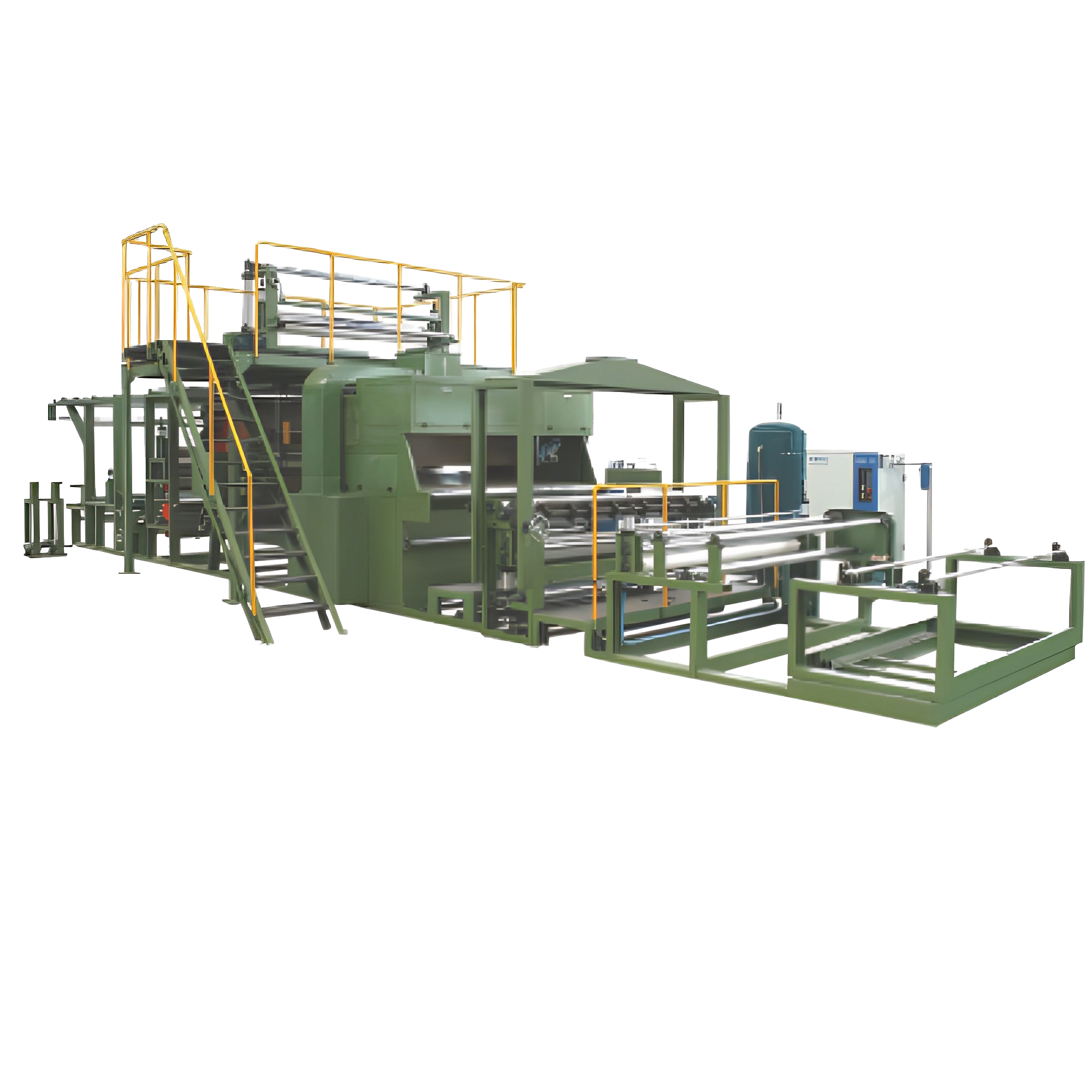
Fabric Lamination Machine
It is primarily used for adhesive bonding between woven fabrics, non-woven fabrics, PTFE films, leather foam, breathable films, and other substrates.
View Details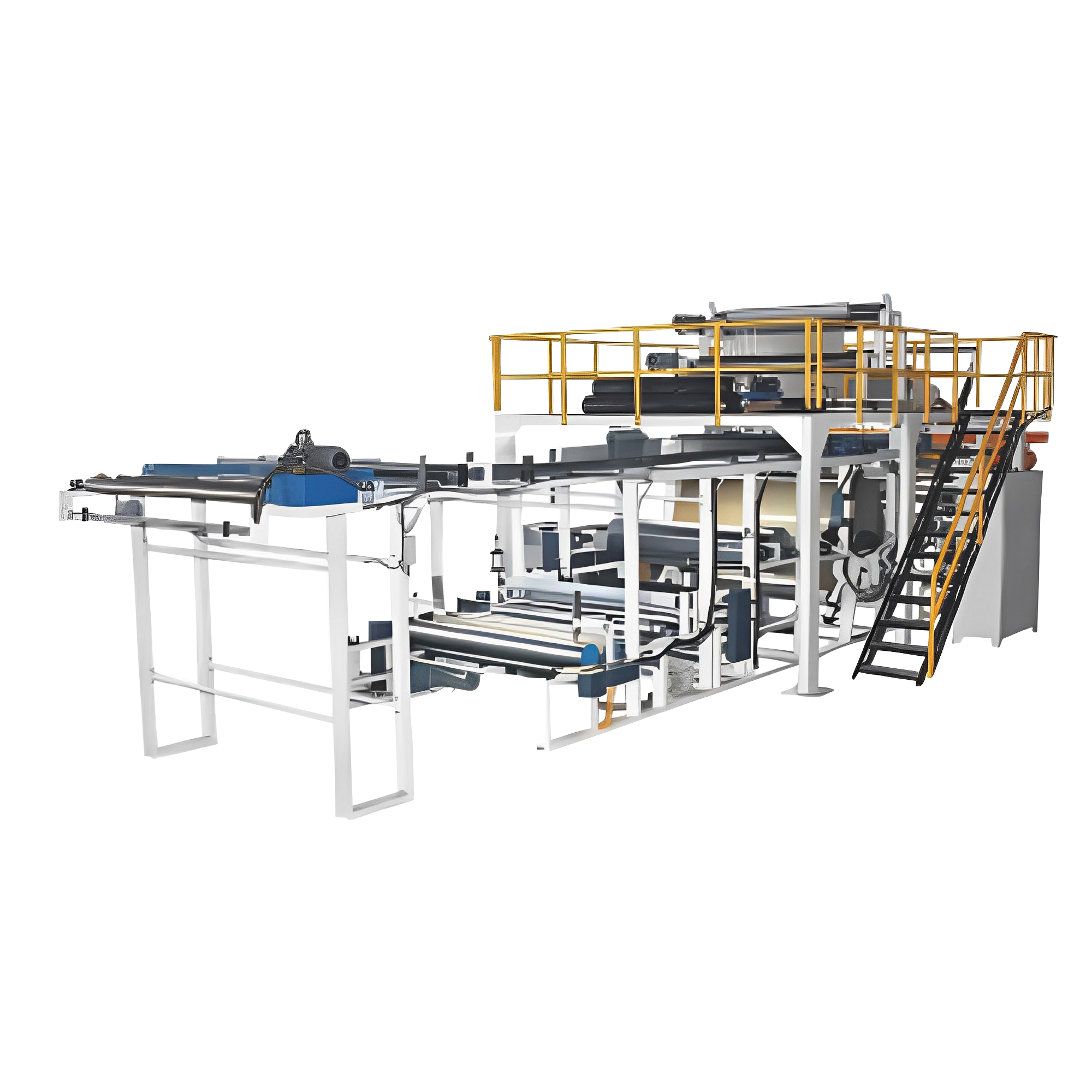
Fabric Lamination Machine
It is primarily used for adhesive bonding between woven fabrics, non-woven fabrics, leather, foam, breathable films, and other substrates.
View DetailsA fabric lamination machine is used to bond two or more layers of material to create a combined fabric or composite surface. This process helps manufacturers produce materials with specific properties, finishes, and functional characteristics according to their industry requirements.
In textile manufacturing, lamination is used to combine fabrics with films, foam, non-woven materials, and other substrates. The choice of adhesive, bonding method, and machine configuration depends on the materials being processed and the desired result.
At Ramana Machines, we supply different types of lamination machinery for textile and industrial applications. Our range supports businesses looking for a textile laminating machine, fabric lamination equipment, or specialised solutions for non-woven and composite material processing.
Fabric lamination involves joining different material layers through suitable bonding methods. Depending on the application, manufacturers may use adhesive, hot-melt powder, flame bonding, extrusion, or other lamination techniques.
A suitable textile lamination machine helps businesses carry out this process according to their material and production requirements. These machines are used across several industries, including:
Different materials require different lamination processes. A fabric laminator may use a particular adhesive application or bonding method depending on the material combination and production requirements.
Machine Type | General Application |
| Glue dot transfer laminating machine | Applies adhesive in a dot pattern to bond material layers |
| Hot melt adhesive laminating machine | Uses hot-melt adhesive for bonding compatible substrates |
| Flame laminating machine | Uses flame bonding to join suitable foam and fabric materials |
| Extrusion laminating machine | Uses extrusion-based adhesive application for composite materials |
| Water-based glue laminating machine | Uses water-based adhesive for material bonding |
| Non-woven fabric laminating machine | Processes non-woven materials through suitable lamination methods |
| Film laminating machine | Bonds films with compatible fabric or other substrates |
| Scattering laminating machine | Uses adhesive powder or other scattering materials for bonding |
A non woven fabric lamination machine is designed for processing non-woven materials and combining them with other compatible layers. Depending on the machine configuration, the process may use adhesive spraying, scattering, hot-melt powder, or other bonding techniques.
A non woven lamination machine can be used in applications involving clothing linings, footwear materials, automotive interiors, filtration-related materials, and other non-woven products.
Before selecting a machine, manufacturers should consider the type of non-woven fabric, the second material being bonded, the required bonding method, and the intended end use.
A fabric foam lamination machine is used to bond compatible fabric and foam materials for applications where a combined layered material is required. The bonding method depends on the foam type, fabric construction, and desired product characteristics.
Fabric and foam lamination may be required in:
The correct machine should be selected according to the material combination and the required bonding process.
Using suitable lamination equipment helps manufacturers manage material bonding as part of their production process. The main advantages depend on the machine type, materials, and operating conditions.
Benefit | How It Helps |
| Layer bonding | Joins compatible materials into a composite structure |
| Consistent processing | Helps maintain a controlled lamination process |
| Material versatility | Supports different material combinations, depending on the machine |
| Production efficiency | Helps organise and streamline lamination operations |
| Application flexibility | Supports requirements across textile and other industries |
| Specialised finishes | Allows manufacturers to select suitable bonding methods for their products |
Choosing the right machine is important for achieving suitable bonding results and maintaining an efficient production process. Before purchasing a fabric lamination machine, consider the following factors:
Ramana Machines supplies a range of lamination machinery for different material combinations and industrial applications. Our range includes the GQ-005 Superglue Laminating Machine for bonding materials such as fabrics, clothing materials, carpets, and other substrates; the HY-2002A Extrusion Calendaring Laminating Machine for bonding textiles, paper, non-wovens, and carpets; and specialised options such as the GQ-1800A Sandpaper Velvet Laminating Machine, GQ-011C Non-Woven Fabric Spraying & Scattering Laminating Machine, GQ-1800 Non-Woven Scattering Laminating Machine, and GQ-007A German Style Flame Laminating Machine. The range also includes film, adhesive transfer, powder transfer, self-adhesive, and water-based glue lamination equipment for different processing requirements.
Ramana Machines is a textile machine supplier in India, supplying, importing, and exporting Chinese industrial and textile machinery. Based in Ludhiana, Punjab, we serve businesses looking for machinery for textile processing and other industrial applications.
We understand that different manufacturers work with different fabrics, films, foams, and composite materials. Our team can help you explore suitable lamination machinery based on your material combination, bonding method, working width, and production requirements.
If you are looking for a fabric lamination machine, textile laminating machine, or non-woven fabric lamination solution, contact Ramana Machines to discuss your requirements.
Find answers to the most common questions about our machines, services and support.
A fabric lamination machine is used to bond fabric with another compatible material, such as foam, film, non-woven fabric, or another textile layer. It is used in garment, footwear, automotive, furnishing, and other industries.
Both terms generally refer to machinery used to bond textile materials with other layers. The machine configuration and bonding method depend on the material combination and intended application.
Depending on the machine type, materials may include woven fabrics, non-woven fabrics, foam, films, paper, leather, and other compatible substrates. Always check material compatibility before selecting equipment.
A non-woven fabric lamination machine is used to bond non-woven materials with other compatible layers. Applications may include clothing linings, footwear components, automotive interiors, and other industrial products.
A fabric foam lamination machine joins compatible fabric and foam layers. It is used in applications such as upholstery, automotive interiors, footwear, and clothing materials.
The choice depends on your materials and desired bonding results. Glue-dot transfer, hot-melt adhesive, flame, extrusion, scattering, and water-based glue are different methods used for specific applications.
Check the materials to be bonded, required working width, lamination method, production capacity, bonding requirements, machine configuration, and technical support.
Ramana Machines, based in Ludhiana, Punjab, supplies and exports industrial and textile machinery. You can contact the team to discuss your fabric and textile lamination requirements.