
Loading…
Loading…
Loading…
Loading category…
Category
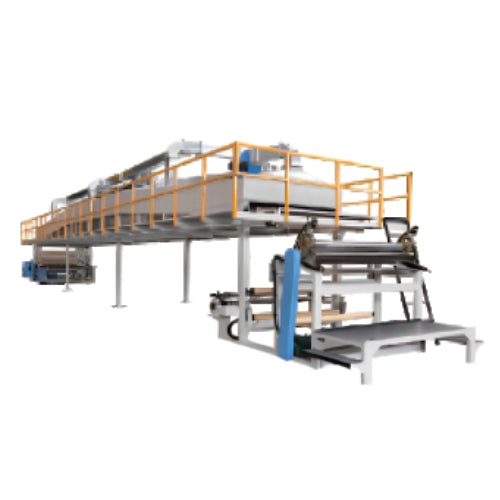
Textile coating and compounding processes are used to add functional properties, improve surface characteristics, or combine different materials into a composite structure. Depending on the application, coating can involve materials such as PU, PVC, AC, hot melt adhesives, thermoplastic materials, powders, or other bonding compounds.
At Ramana Machines, we supply and source a range of textile coating machines, fabric coating machines, coating machinery, laminating machines, and compounding equipment for textile and industrial material applications.
Our range covers equipment for fabric coating, hot melt adhesive coating, textile lamination, multi-layer compounding, glue spraying, powder spreading, flame compounding, hot joining, drip molding, and related material-processing applications.
A textile coating machine applies a controlled layer of coating material onto a textile or other substrate. The coating can be used to provide specific functional or surface properties depending on the material and application.
For example, coating systems can be used with PU, PVC, AC, EVA, TPU, PES, PA and other thermoplastic or adhesive materials. The appropriate coating method depends on the viscosity, substrate, coating thickness, bonding requirement, and final product.
Your production objective may include:
The HY-180-360, for example, is designed for applying oily or water-based adhesives such as PU, PVC and AC onto fabrics and provides control over coating thickness, uniformity, tension and drying conditions.
A Fabric Coating Machine is used when a controlled coating layer needs to be applied to fabric or another flexible substrate. The machine configuration can vary according to the coating compound, fabric construction, required coating thickness and production process.
Fabric coating can be used for products such as:
The HY-180-360 coating setting machine is listed for applications including umbrellas, tents, handbags, raincoats and windbreakers, where coating can provide properties such as waterproofing, breathability, crack resistance and flame retardancy.
Fabric coating machinery is not limited to conventional liquid coating. Modern textile production can require several processes to create a finished composite material.
Depending on the application, this can include:
This makes coating and compounding equipment relevant to both textile finishing and specialised industrial-material production.
Ramana Machines offers a range of machines covering different stages and methods of coating, bonding, laminating and compounding.
The GQ 010B Hot Melt Adhesive Coating Machine is designed for high-viscosity hot melt adhesives and thermoplastic material coatings.
It uses a melt pump and coating head for different coating effects and includes a water-cooling system to support the coating process. The machine is suitable for materials including PA, PES, EVA and TPU and applications such as shoe materials, luggage materials, anti-corrosion tape, hot melt adhesive films, clothing accessories, reflective materials and protective-clothing edge-banding strips.
The GQ-010D Hot Melt Adhesive Coating Laminating Machine is designed for coating and composite applications involving hot melt pressure-sensitive film and sheet materials.
It can be used for bonding materials such as release paper, foam, non-woven fabrics, EVA, rubber and plastic materials.
This makes it relevant for customers searching for:
The HY-180-360 Coating Setting Machine is designed for applying oily or water-based adhesives such as PU, PVC and AC to fabrics.
The machine is designed to provide control over coating thickness, coating uniformity, fabric tension and drying-room temperature. It can be used in applications involving umbrellas, tents, handbags, raincoats and windbreakers.
The HY 2000 Double Track Flat Panel Compound Machine uses two high-temperature-resistant tracks with contact heating and cooling systems.
Its multi-stage heating zone supports bonding of composite materials, while adjustable pressure and conveyor settings allow different material combinations to be processed. The machine is designed for applications including industrial textiles, automotive interior materials, multi-layer fibre materials and thermal insulation. It can support coating, powder coating, multi-layer composite processing, lamination and surface treatment.
The GQ-1800PJ is designed for glue spraying and activated-carbon powder composite processing on non-woven base materials.
It is particularly relevant to the air-filtration equipment industry and applications involving non-woven filter materials.
The HY-2006 Series Korean Flame Compounding Machine uses flame-jet combustion to melt the surface of sponge material and bond it to materials such as textiles, non-woven products and artificial leather.
This type of equipment is relevant for applications requiring flame bonding, textile compounding, sponge lamination and composite material production.
The GQ-012 Drip Molding Machine is designed to apply plastic dots or patterns onto fabrics such as cotton, chemical-fibre fabrics, blended fabrics and non-woven cloth.
It can therefore be considered for applications requiring dot coating, pattern application and functional surface treatment.
The GQ-2200 Type Hot Joining Machine is used for processing the edges of thermoplastic materials, fabrics, non-woven fabrics, leather, foam and other materials.
It is designed to provide fast processing and neat, smooth seams.
The GQ-2200A Automatic Unwinder is used to roll fabric into a neat form and can be equipped with an ironing machine or sewing machine to improve process continuity.
It can be used as a preparation or supporting machine alongside coating, joining, laminating and other textile-processing operations.
The GQ-2300 Type Automatic Quilting Machine is designed for wired quilting at the head and end of fabric. It automatically cuts excess material at the head to provide a flat and firm finish without hard edges.
The HYSL-2200 Dewaxing Machine is designed for separating paraffin from a substrate. It can be relevant to material-processing lines where dewaxing is required before subsequent processing.
Coating and compounding machinery can be used across a wide range of textile and industrial-material applications.
Coating can be used to modify the surface or functional characteristics of fabric. Depending on the process, materials such as PU, PVC, AC and hot melt adhesives may be applied.
Hot melt coating systems are used when thermoplastic adhesives need to be applied in a controlled manner. The GQ 010B is designed for high-viscosity hot melt adhesives and materials such as PA, PES, EVA and TPU.
Lamination combines two or more layers to create a composite material. The HY 2000 supports multi-layer composite processing and lamination for industrial textiles and specialised materials.
Powder-based processes can be used to create composite structures or functional layers. The GQ-1800PJ combines glue spraying and activated-carbon powder spreading for non-woven filter applications.
Flame compounding uses controlled flame treatment to bond sponge or similar materials to textiles, non-wovens or artificial leather. The HY-2006 series is designed for this type of composite-material process.
Hot joining equipment can be used to process edges and seams of thermoplastic materials, fabrics, non-woven materials, leather and foam.
Choosing the right fabric coating machine depends on the complete production process rather than only the machine name.
Consider the following:
1. Coating Material
Determine whether you will use PU, PVC, AC, EVA, TPU, PES, PA, hot melt adhesive, powder or another compound.
2. Substrate Material
Consider whether the substrate is woven fabric, knitted fabric, non-woven material, foam, rubber, artificial leather, film or another flexible material.
3. Required Coating Method
The application may require liquid coating, hot melt coating, powder spreading, glue spraying, flame bonding or another process.
4. Coating Thickness and Uniformity
For many applications, consistent coating thickness and material distribution are important production parameters.
5. Lamination Requirements
If multiple layers need to be bonded, consider whether a coating laminating machine or compound machine is more appropriate.
6. Production Capacity
Machine width, operating speed, material handling and process configuration should be matched to your expected production volume.
7. Heating and Cooling Requirements
Hot melt, thermoplastic and composite applications may require controlled heating and cooling systems.
Ramana Machines works as a fabric coating machine supplier, distributor and importer, providing sourcing support for textile and industrial coating equipment.
Our team can help customers evaluate machinery based on:
We also provide sourcing support for specialised coating and compounding machinery from international suppliers.
For businesses looking for a China fabric coating machine supplier, Ramana Machines can assist with machine sourcing and international procurement.
Our range includes machines for hot melt adhesive coating, textile coating, laminating, powder spreading, glue spraying, flame compounding and other material-processing applications.
For customers specifically searching for China coating polishing machine options, we recommend first identifying whether the required process is coating, polishing, laminating, compounding or surface treatment. The correct machinery depends on the material and desired result.
Ramana Machines can help compare suitable equipment and coordinate supplier communication, import requirements, logistics, installation and after-sales support.
Ramana Machines provides industrial machinery sourcing and supply for textile and other industries. Our coating and compounding range allows customers to explore different equipment configurations for fabric, non-woven, foam, rubber, artificial leather and other materials.
Our support includes:
Looking for a fabric coating machine supplier, distributor or importer? Share your substrate, coating/compound material, working width and production requirements with Ramana Machines.
Our team can help you identify suitable textile coating machinery, hot melt adhesive coating machines, laminating machines and compounding equipment for your application.
Find answers to the most common questions about our machines, services and support.
A textile coating machine applies a controlled coating layer to fabric or another substrate to achieve specific functional or surface properties. Depending on the process, materials such as PU, PVC, AC, hot melt adhesives or thermoplastic compounds may be used.
Coating generally involves applying a layer of material onto a substrate, while compounding involves combining two or more materials to create a composite structure. Some machines can perform related coating, lamination or composite processes depending on their configuration.
The suitable material depends on the machine. Available equipment in the Ramana Machines range includes systems designed for PU, PVC, AC, PA, PES, EVA, TPU, hot melt adhesives and powder-based processes.
Yes, depending on the machine configuration. Some equipment in the range is specifically designed for non-woven applications, including glue spraying and powder spreading for filter-material production.
A hot melt adhesive coating machine applies thermoplastic adhesive in a controlled manner onto a substrate. The GQ 010B, for example, is designed for high-viscosity hot melt adhesives and materials such as PA, PES, EVA and TPU.
A textile laminating machine bonds two or more material layers together to form a composite structure. The appropriate system depends on the materials, adhesive or bonding method, heating requirements and final product.
Yes. Ramana Machines provides sourcing and importer support for customers looking for a China fabric coating machine supplier, subject to the required machine specification and application.
Start with the substrate, coating or compound material, desired coating thickness, production capacity, working width and required finishing result. These details help determine whether you need liquid coating, hot melt coating, powder spreading, lamination, flame compounding or another process.
Yes. Some machines are designed for industrial textile and specialised composite-material applications. The HY 2000, for example, is listed for industrial textiles, automotive interior materials, multi-layer fibre materials and thermal insulation applications.
Ramana Machines provides installation and commissioning support, along with after-sales assistance, as part of its machinery supply service.