
Blog
What Is the Difference Between Pin-Type and Clip-Type Stenter Machines?
By Ramana Machines · October 16, 2026
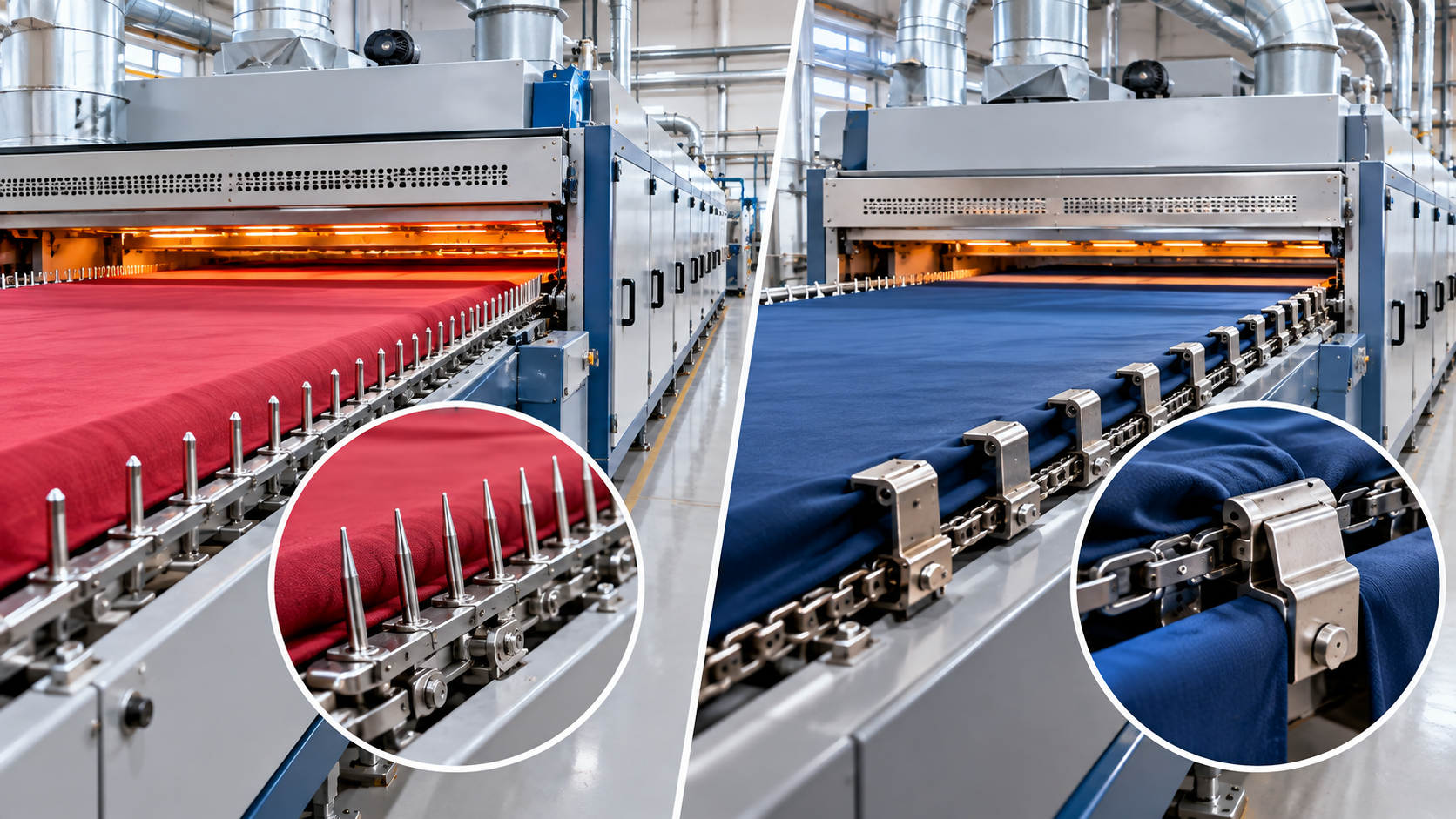
Pin-type and clip-type stenter machines hold fabric edges differently during drying and heat-setting. Learn how they compare in fabric handling, edge quality, maintenance, and machine selection.
Stenter machines are widely used in textile processing to dry fabrics, control fabric width, and improve dimensional stability. They also help maintain fabric shape and prepare materials for further finishing processes.
Two common types are pin-type stenter machines and clip-type stenter machines. Both hold fabric edges while the material moves through a heated chamber, but they use different methods to grip and guide the fabric.
Understanding the difference between these machines can help textile manufacturers choose the right equipment for their fabric types, production needs, and finishing requirements.
What Is a Pin-Type Stenter Machine?
A pin-type stenter machine uses small metal pins fitted along moving chains to hold the fabric edges. The pins enter the fabric selvedge and keep the material in position as it passes through the heating chamber.
The machine can help maintain the required fabric width during drying and heat-setting. However, the pins make small holes in the fabric edge, so the selvedge may need to be trimmed after processing.
Advantages of Pin-Type Stenter Machines
- Good width control: The pins help keep the fabric at the required width during processing.
- Suitable for many woven fabrics: Pin-type systems can work well with suitable woven materials and fabrics that can tolerate pin penetration.
- Useful for heat-setting: They are commonly used where stable fabric width and shape are important.
- Secure edge holding: The pins grip the fabric along its selvedge during movement through the machine.
Limitations of Pin-Type Stenter Machines
- Pins may leave small holes or marks along the fabric edges.
- Damaged, bent, or blunt pins can affect fabric holding.
- Delicate fabrics may be unsuitable if pin penetration damages their structure.
- Operators must regularly inspect the pins and maintain correct fabric alignment.
What Is a Clip-Type Stenter Machine?
A clip-type stenter machine uses metal clips to grip the fabric edges instead of pins penetrating the material. The clips hold the selvedge as the fabric travels through the drying or heat-setting chamber.
Since clips grip the fabric rather than piercing it, they can be a suitable option for materials where pin marks are a concern. However, the clips must apply the correct pressure to avoid slipping, crushing, or marking the fabric.
Advantages of Clip-Type Stenter Machines
- No pin holes: Clips do not need to pierce the fabric edge.
- Suitable for delicate materials: They may be preferred for fabrics where pin marks could affect appearance or quality.
- Consistent fabric movement: Correctly adjusted clips help keep the fabric aligned during processing.
- Flexible fabric handling: Clip systems can handle a range of fabric types, depending on the machine design and clip settings.
Limitations of Clip-Type Stenter Machines
- Incorrect clip pressure can cause marks or fabric slippage.
- Clips require regular cleaning and inspection.
- Worn or damaged clips may reduce gripping performance.
- Some fabrics need careful adjustment to prevent edge damage or uneven width.
Pin-Type vs Clip-Type Stenter Machines: Key Differences
Feature | Pin-Type Stenter | Clip-Type Stenter |
| Fabric holding method | Pins penetrate the fabric selvedge | Clips grip the fabric edge |
| Pin holes | Small holes may be left along the edge | No pin holes from the gripping system |
| Edge appearance | Selvedge may require trimming | May help preserve the edge from pin holes |
| Fabric suitability | Best for fabrics that can tolerate pin penetration | Often preferred when pin marks are undesirable |
| Grip adjustment | Depends on pin condition and penetration | Depends on clip pressure and condition |
| Maintenance | Pin inspection and replacement | Clip cleaning, pressure checks, and replacement |
| Main selection factor | Secure holding and width control | Edge appearance and non-piercing grip |
The final result depends on the fabric construction, machine design, operating speed, temperature, and operator settings. Neither type is automatically better for every textile application.
Which Stenter Machine Is Better for Your Fabric?
The right choice depends on the material being processed and the quality requirements of the finished fabric.
Choose a pin-type stenter when:
- The fabric can tolerate pins along its selvedge.
- Stable width control is a key requirement.
- The production process allows for edge trimming where needed.
- The machine is being used for suitable drying or heat-setting applications.
Choose a clip-type stenter when:
- Pin holes along the fabric edge are undesirable.
- The fabric requires a gripping method that does not pierce the selvedge.
- The clips can securely hold the material without causing marks.
- The required fabric width and processing conditions are compatible with the clip system.
Before making a decision, test the machine with your actual fabric. Check edge quality, width consistency, fabric tension, production speed, and the amount of selvedge waste.
Important Factors to Consider Before Buying a Stenter Machine
1. Fabric Type and Construction
Consider whether you process woven, knitted, delicate, heavy, or stretch fabrics. Different materials respond differently to pin penetration and clip pressure.
2. Required Fabric Width
The machine should maintain the required finished width throughout processing. Incorrect chain settings or uneven fabric feeding can lead to width variation.
3. Temperature and Heat-Setting Requirements
Check the machine's temperature range and heating system. The correct settings depend on the fabric composition, dyes, finishing chemicals, and production process.
4. Production Capacity
Choose a machine that matches your daily production needs. Consider working width, chamber length, line speed, heating method, and energy consumption.
5. Maintenance and Spare Parts
Check how easily pins, clips, chains, bearings, and other important components can be inspected and replaced. Regular maintenance helps reduce unplanned stoppages.
6. Technical Support
When comparing suppliers, ask about installation, operator training, troubleshooting, and spare-part availability. Working with a reliable textile machinery distributor in India can make it easier to obtain equipment guidance and ongoing technical support.
Common Problems in Pin-Type and Clip-Type Stenter Machines
Both systems need correct setup and regular maintenance to maintain fabric quality.
- Uneven fabric width: Check chain settings, fabric feeding, and tension.
- Fabric slipping: Inspect pin condition or adjust clip pressure according to the machine manufacturer's instructions.
- Edge damage: Check for bent pins, worn clips, excessive pressure, or incorrect fabric alignment.
- Uneven drying: Inspect airflow, temperature settings, fabric speed, and chamber conditions.
- Frequent machine stoppages: Check chain movement, lubrication, worn components, and maintenance records.
Always stop the machine and follow the manufacturer's safety procedures before inspecting or servicing moving parts.
Find the Right Stenter Machine for Your Production Needs
Choosing the right fabric stenter machine can help textile manufacturers improve fabric handling, maintain consistent width, and reduce edge-related defects. Before making a purchase, compare pin-type and clip-type stenter machines based on your fabric type, production needs, and finishing requirements.
Ramana Machines supports textile manufacturers with suitable textile processing machinery, spare parts, and technical assistance. As a textile machinery distributor in India, Ramana Machines helps businesses explore machine options that match their production requirements, with support beyond the sale.
Related
More insights
16 Oct 2026
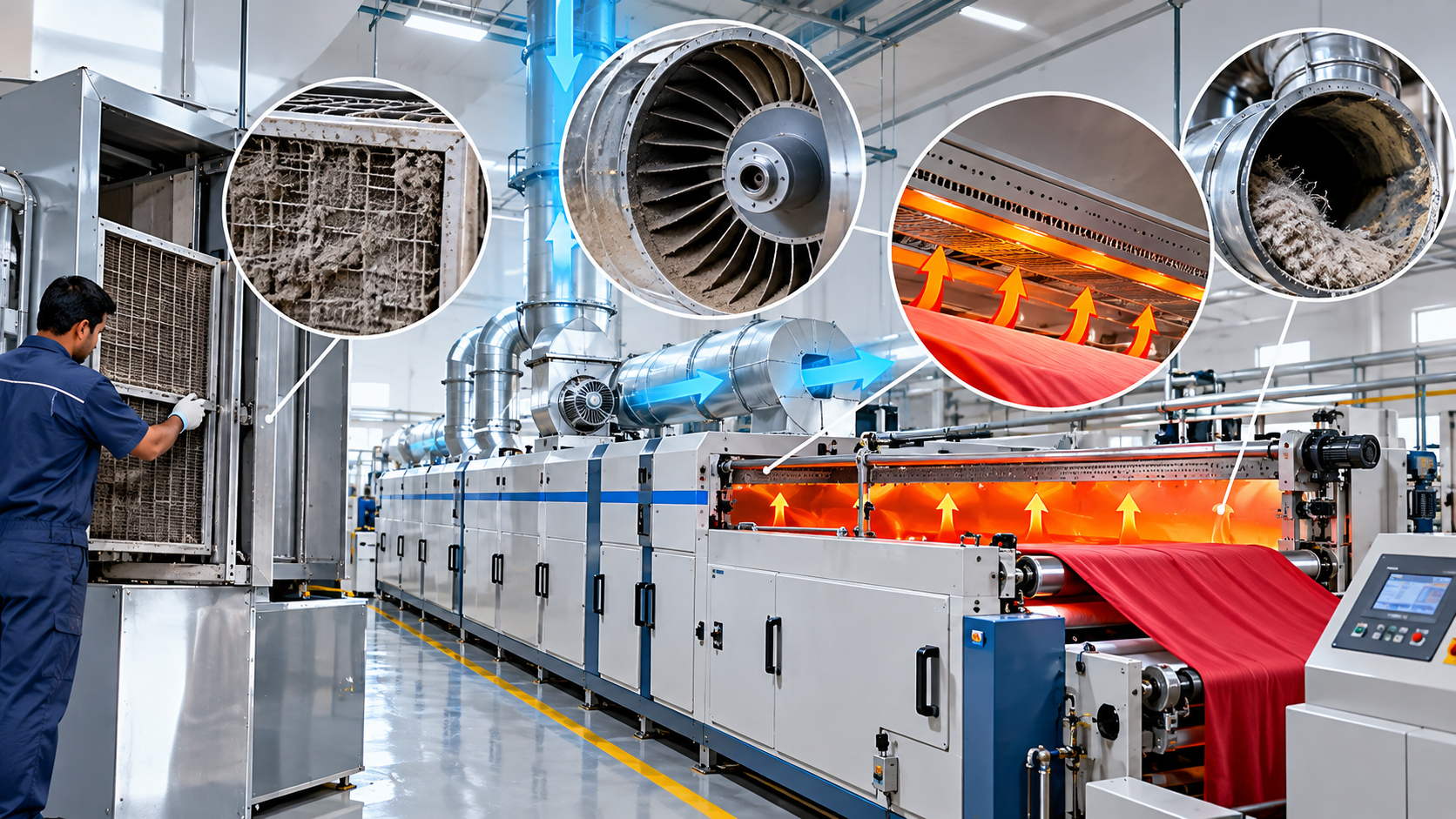
How to Troubleshoot Stenter Machine Airflow Problems
View16 Oct 2026
How to Troubleshoot Stenter Machine Airflow Problems
Discover the common causes of stenter machine airflow problems and learn how to inspect filters, fans, ducts,
View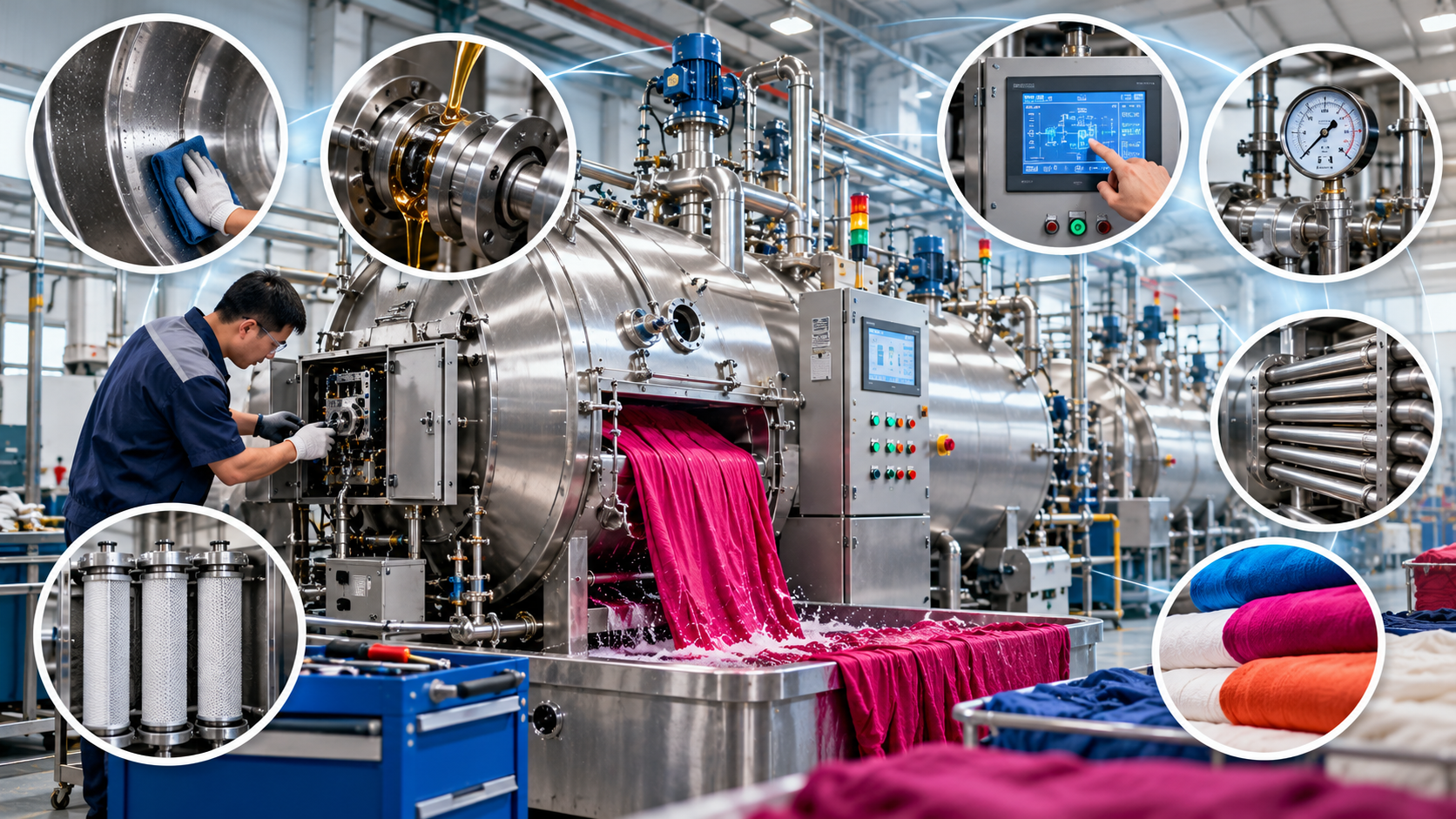
14 Oct 2026
How to Improve the Working Life of a Textile Dyeing Machine
View14 Oct 2026
How to Improve the Working Life of a Textile Dyeing Machine
Regular maintenance can help textile manufacturers extend machine life, reduce breakdowns, and maintain consistent dyeing quality. Learn how to clean equipment, check pumps and valves, use correct settings, replace worn parts, and follow a preventive maintenance schedule.
View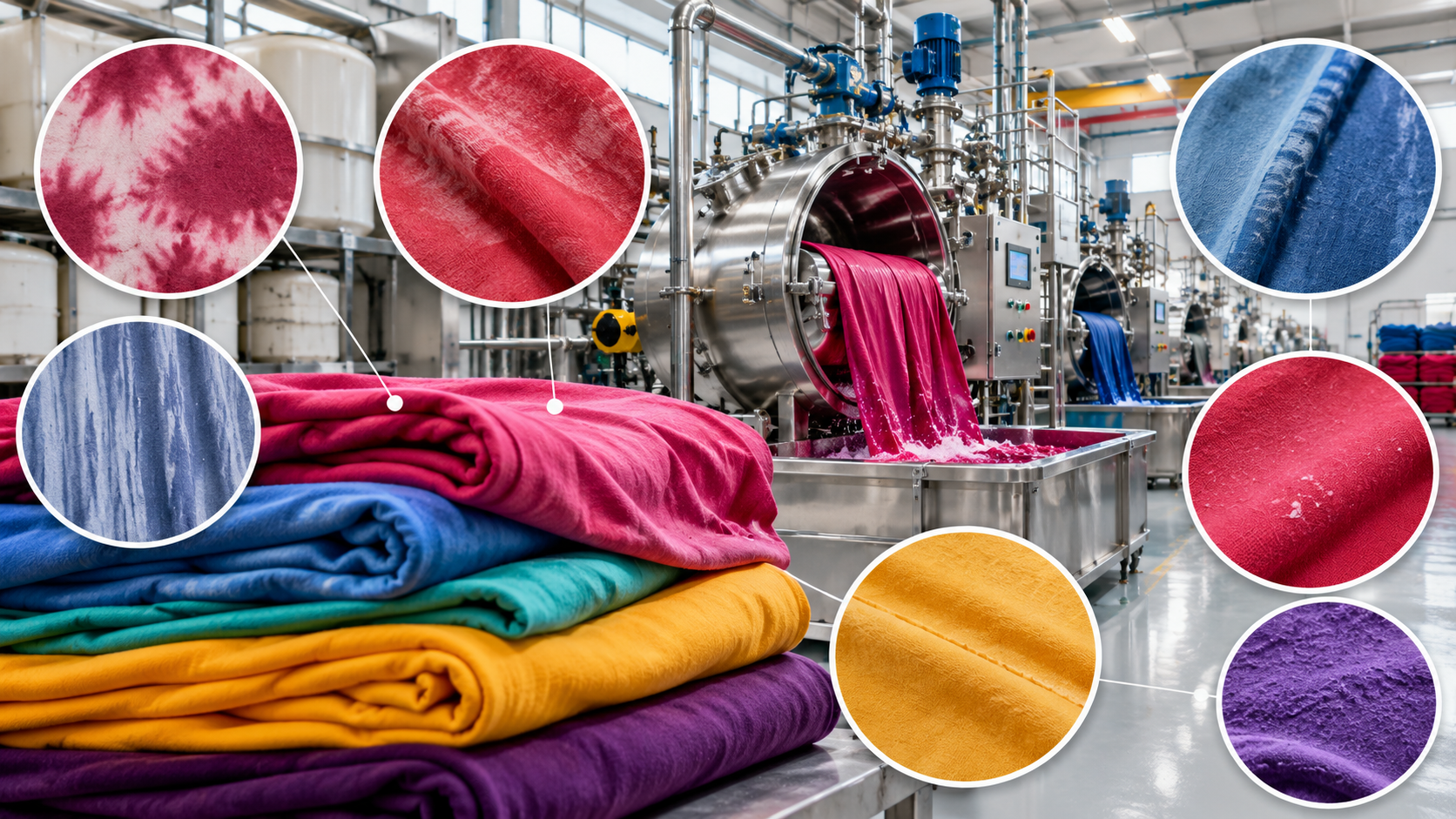
14 Oct 2026
Common Fabric Defects Caused by Incorrect Dyeing Machine Settings
View14 Oct 2026
Common Fabric Defects Caused by Incorrect Dyeing Machine Settings
Incorrect dyeing machine settings can cause uneven shades, dark spots, crease marks, streaks, shrinkage, and poor colour fastness. Discover the common causes of these fabric defects and learn how to improve dyeing quality through correct temperature control, proper chemical dosing, machine maintenance, and effective troubleshooting.
ViewFrequently Asked Questions
Find answers to the most common questions about our machines, services and support.
A pin-type stenter uses pins that penetrate the fabric selvedge, while a clip-type stenter uses clips to grip the fabric edge without piercing it.
A clip-type machine may be preferable when pin holes or edge penetration could damage the fabric. However, the clip pressure and fabric construction must also be considered.
They can leave small holes along the selvedge because the pins penetrate the fabric. The affected edge is often trimmed, depending on the product and finishing requirements.
Yes. Excessive clip pressure, worn components, or incorrect alignment can cause marks, slippage, or edge damage. Correct setup is important.
Yes. Both can be used in stenter processes involving fabric drying and, where appropriate, heat-setting or other finishing operations. The exact application depends on the machine configuration.