
Loading…
Loading…
Loading…
Loading blog…
Blog
By Ramana Machines · October 16, 2026
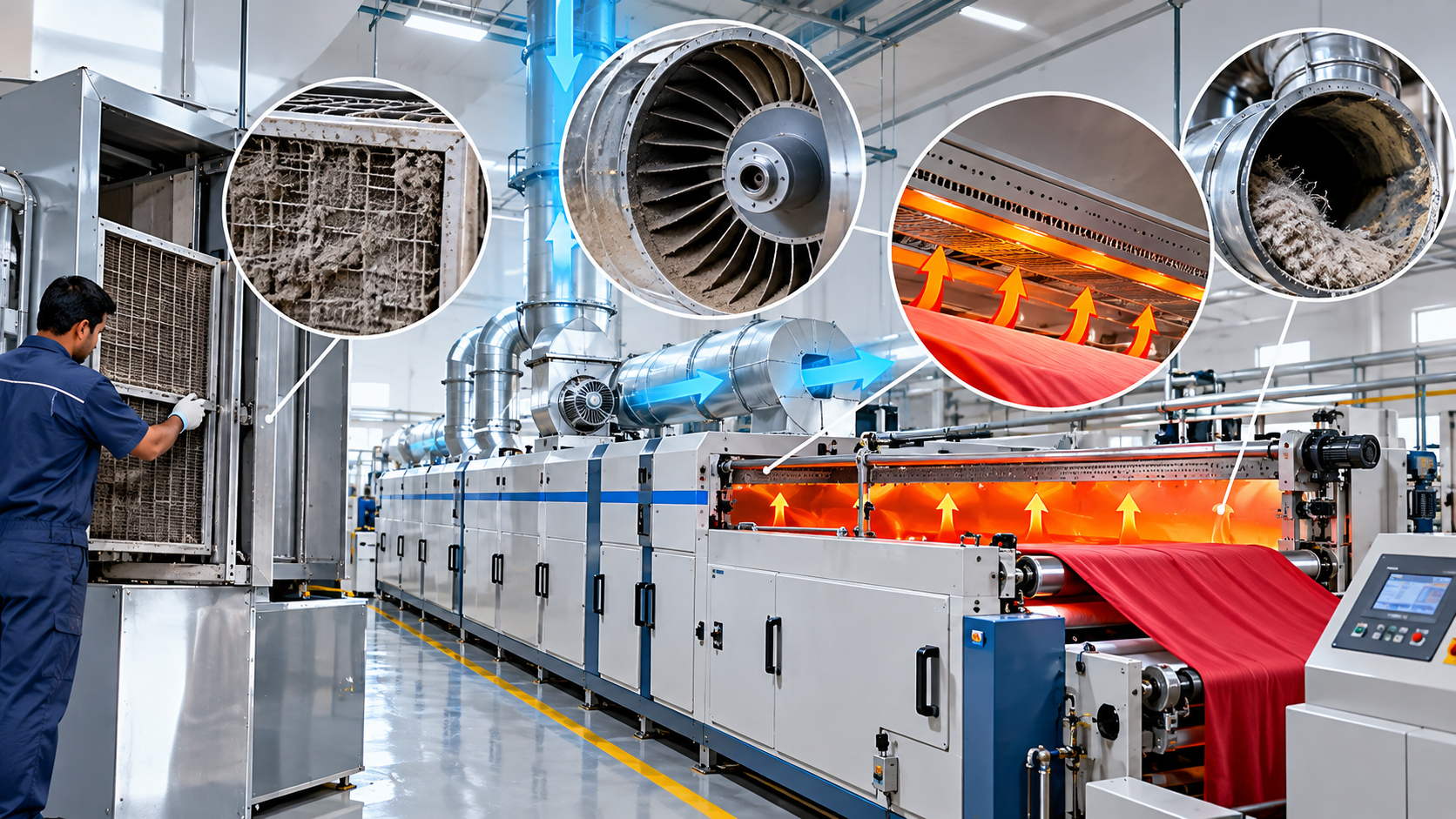
Discover the common causes of stenter machine airflow problems and learn how to inspect filters, fans, ducts,
Airflow plays an important role in stenter machine performance. It helps distribute hot air across the fabric so that drying, heat setting, and finishing can take place evenly. When airflow becomes weak or uneven, the fabric may come out with different moisture levels, uneven finishing, or inconsistent heat-setting results.
Airflow problems can also increase energy consumption, extend processing time, and affect production quality. Understanding the common causes helps operators identify faults early and keep the stenter machine running efficiently.
A stenter machine uses heated air to dry or heat-set fabric while controlling its width and dimensional stability. Fans, air ducts, nozzles, filters, dampers, and heating components work together to move and distribute air through the machine chambers.
When these components work correctly, the fabric receives consistent heat across its width and along the processing line. Poor airflow can create cold spots, uneven drying, and differences in fabric appearance.
Dirty or blocked filters are a common reason for reduced airflow. Textile processing produces lint, dust, and loose fibres that can collect in filters and restrict the movement of air.
Common signs:
How to fix it:
Regular filter cleaning helps maintain airflow and reduces unnecessary strain on the equipment.
Circulation fans move hot air through the stenter chambers. If a fan is damaged, dirty, incorrectly rotating, or operating below its required speed, airflow may become weak or inconsistent.
Possible causes include:
Troubleshooting steps:
Always isolate the machine from its energy sources and follow the required safety procedures before inspecting fan components.
Air ducts carry hot air through the machine, while nozzles direct it toward the fabric. Blocked, damaged, or incorrectly positioned nozzles can create uneven air distribution.
This may cause some areas of the fabric to dry faster than others, resulting in uneven moisture levels or inconsistent finishing.
How to troubleshoot the problem:
If the fabric consistently shows a problem in the same widthwise area, inspect the corresponding airflow path.
Loose duct connections, worn seals, damaged access-panel gaskets, or poorly fitted components can allow hot air to escape. This reduces the amount of air reaching the required processing area and may increase energy consumption.
Signs of possible leakage:
Inspect accessible seals and connections for visible damage. Replace worn seals and tighten connections according to the manufacturer's guidance. Do not open hot chambers or attempt repairs while the machine is operating.
Incorrect operating settings can make an airflow problem appear worse. Fan speed, temperature, exhaust settings, fabric speed, and nozzle configuration all influence the drying and heat-setting process.
If airflow is uneven, simply increasing the temperature may not solve the problem. It could increase energy use or damage heat-sensitive fabrics.
Recommended checks:
Make one adjustment at a time and observe the result before changing additional settings.
Dampers control the amount and direction of air moving through the system. The exhaust system removes moisture and unwanted process air. If a damper is stuck or the exhaust path is restricted, the balance of airflow may change.
What to do:
Do not close or restrict exhaust paths beyond the machine's specified operating limits. Incorrect ventilation can affect process performance and create safety risks.
Sometimes the fan is working, but the air is not distributed evenly. This can happen when some nozzles are blocked, air ducts are misaligned, or airflow settings are not balanced.
Common results include:
Inspect the nozzles and ducts across the full working width. Where suitable measuring equipment is available, compare airflow or temperature at different positions using the machine manufacturer's approved procedure.
Avoid relying only on visual inspection when a measurable airflow imbalance is suspected.
When the cause is unclear, use a consistent troubleshooting sequence.
If the problem continues, arrange a qualified technical inspection rather than repeatedly changing settings without identifying the cause.
Preventive maintenance helps reduce unexpected stoppages and supports consistent fabric quality.
A planned maintenance schedule is generally more effective than waiting for airflow problems to affect production.
Consistent airflow is essential for effective fabric drying, heat setting, and finishing. Regular inspection, correct operating settings, and timely maintenance help reduce defects and improve production efficiency.
Ramana Machines supports textile businesses with machinery sourcing, import and distribution, machine selection assistance, spare parts, and after-sales technical support. Businesses looking for the best stenter machine should compare working width, chamber configuration, airflow design, temperature control, energy requirements, and suitability for their fabric types.
As a textile machinery supplier, Ramana Machines helps buyers explore suitable equipment options based on production needs and operating requirements. Before purchasing, evaluate machine specifications, maintenance needs, spare parts availability, and access to technical support.
Related
16 Oct 2026
16 Oct 2026
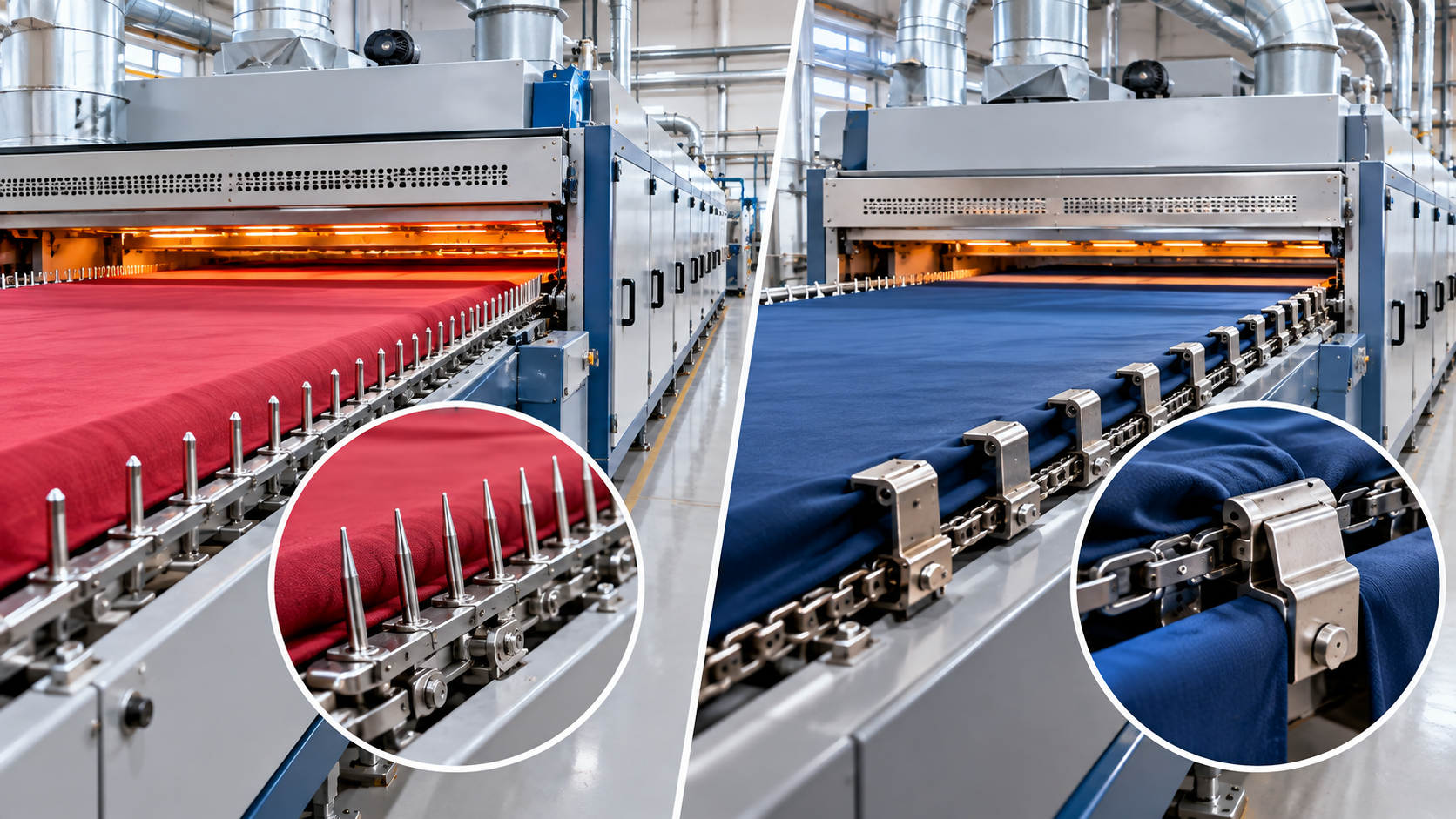
Pin-type and clip-type stenter machines hold fabric edges differently during drying and heat-setting. Learn how they compare in fabric handling, edge quality, maintenance, and machine selection.
View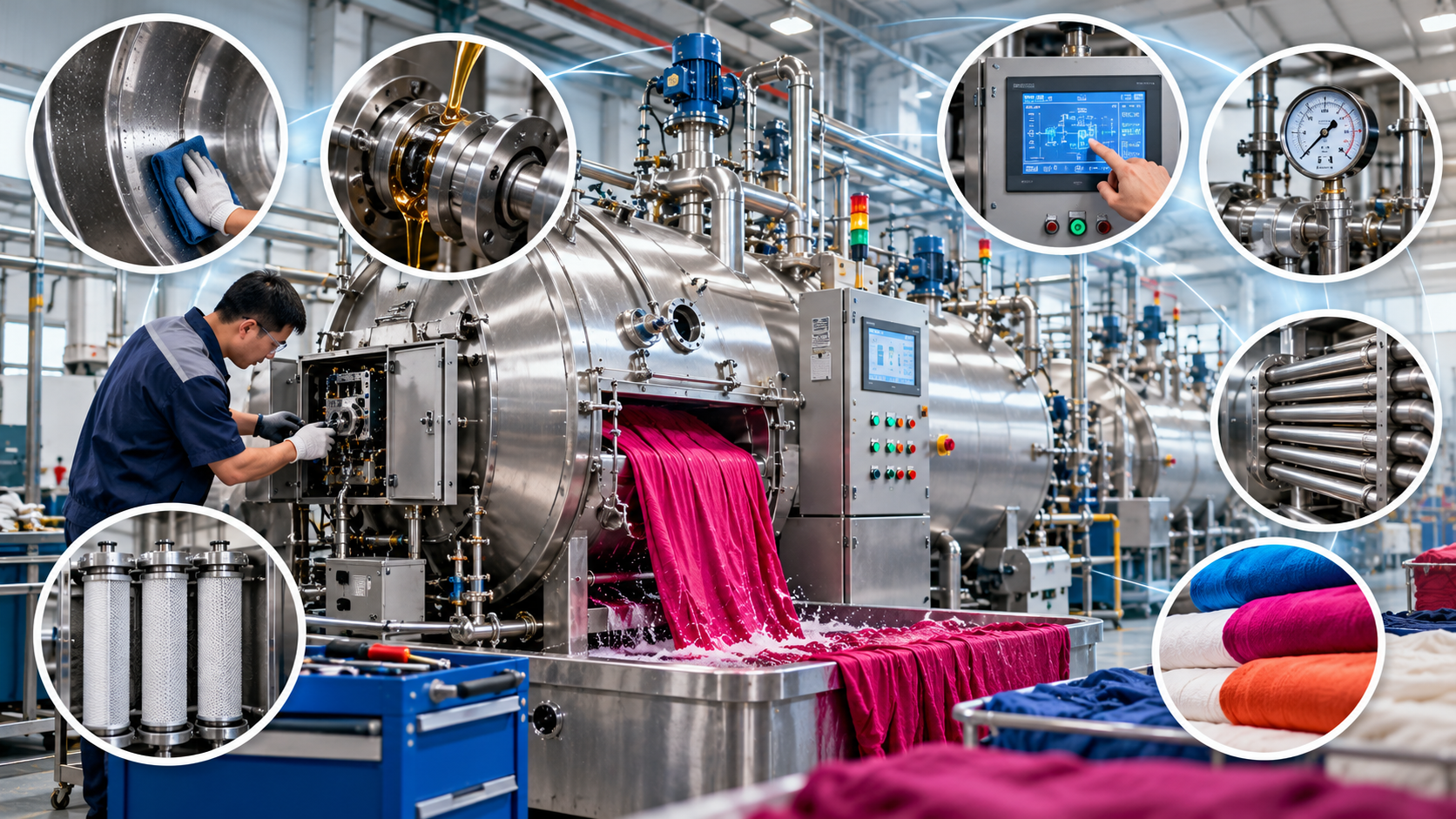
14 Oct 2026
14 Oct 2026
Regular maintenance can help textile manufacturers extend machine life, reduce breakdowns, and maintain consistent dyeing quality. Learn how to clean equipment, check pumps and valves, use correct settings, replace worn parts, and follow a preventive maintenance schedule.
View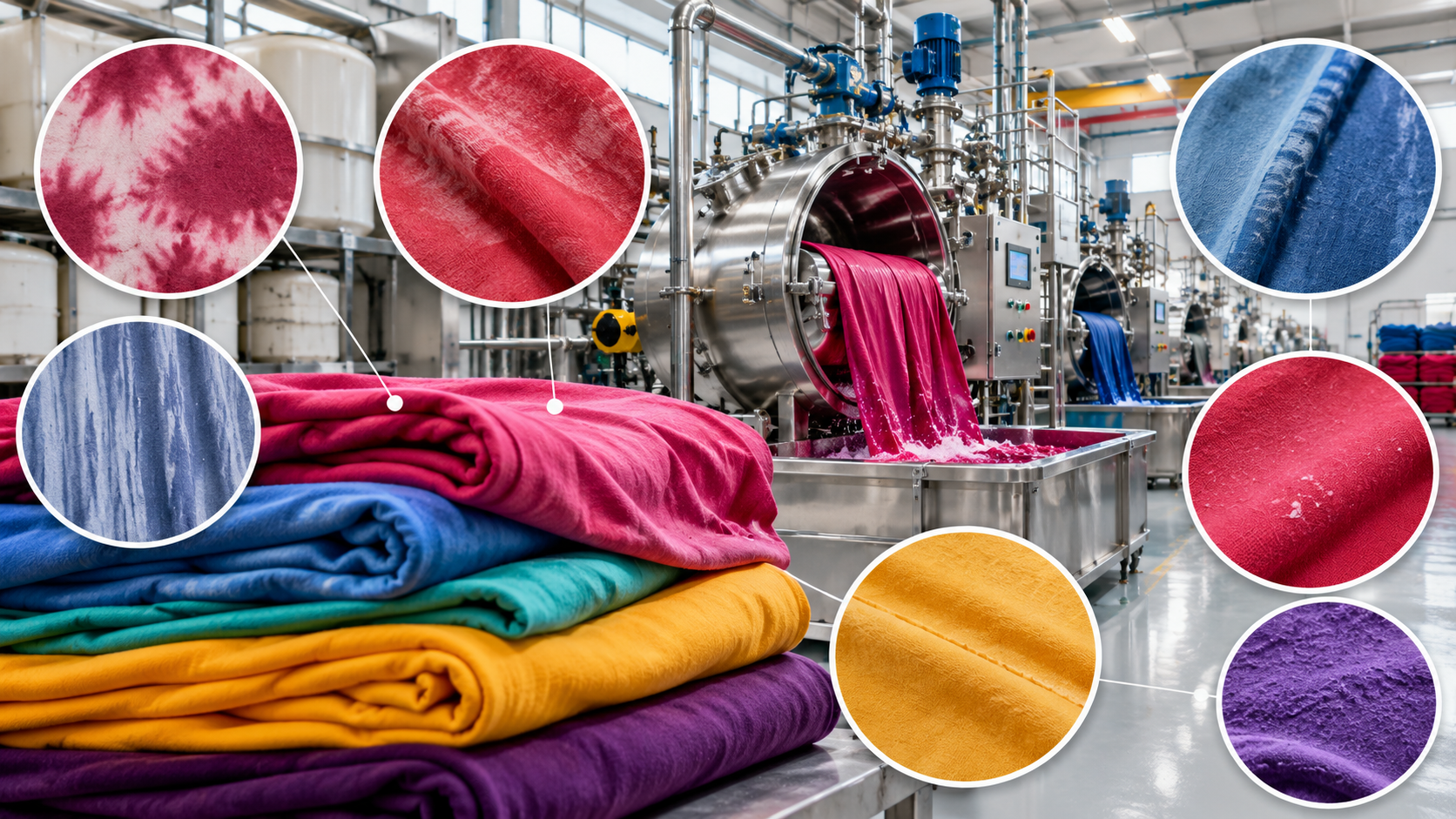
14 Oct 2026
14 Oct 2026
Incorrect dyeing machine settings can cause uneven shades, dark spots, crease marks, streaks, shrinkage, and poor colour fastness. Discover the common causes of these fabric defects and learn how to improve dyeing quality through correct temperature control, proper chemical dosing, machine maintenance, and effective troubleshooting.
ViewFind answers to the most common questions about our machines, services and support.
Common causes include blocked filters, dirty or damaged fans, obstructed nozzles, leaking ducts, incorrect damper positions, and unsuitable fan settings.
Uneven drying can result from poor air circulation, blocked nozzles, airflow imbalance, inconsistent fabric moisture, or incorrect process settings. Check airflow distribution before making major temperature adjustments.
The cleaning frequency depends on production conditions, lint levels, fabric type, and the machine manufacturer's recommendations. Inspect filters regularly and clean them whenever buildup begins to restrict airflow.
Yes. A fan that delivers insufficient or uneven airflow can cause inconsistent drying and heat-setting results. Fan problems may also increase vibration, energy use, and the risk of machine downtime.
This may indicate uneven airflow across the machine width, blocked nozzles, duct misalignment, or differences in fabric moisture and tension. Inspect the relevant airflow areas and compare process conditions.
Not necessarily. If airflow is restricted, increasing the temperature may waste energy or overheat the fabric without correcting the underlying problem. Identify the cause of restricted circulation first.
Keep filters and ducts clean, maintain fans and nozzles, repair air leaks, verify damper operation, and monitor airflow and temperature distribution.
Contact a qualified technician if airflow remains weak after routine checks, fans produce unusual noise or vibration, temperature control becomes unstable, or the machine shows persistent chamber-specific faults.