Blog
Collar Knitting Machine Buying Guide: Cost, Spare Parts and Supplier Support
By Ramana Machines · September 21, 2026
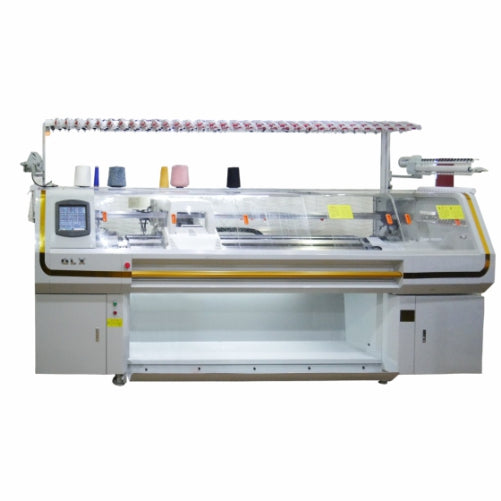
A practical guide to buying a collar knitting machine, covering machine cost, essential spare parts, supplier support, maintenance, and key factors to consider before purchasing.
Collar Knitting Machine Buying Guide: Cost, Spare Parts and Supplier Support
A collar knitting machine can be an important investment for garment manufacturers, knitwear producers, and businesses supplying knitted components. With different machine configurations, gauges, production capacities, and automation levels available, choosing the right equipment requires more than looking at the initial purchase price.
Buyers should consider the machine's specifications along with the expected production volume, collar designs, yarn requirements, maintenance needs, spare-parts availability, and after-sales support.
Understanding these factors can help buyers compare suitable machine options and select equipment that matches their specific production requirements.
What Affects the Cost of a Collar Knitting Machine?
The price of a collar knitting machine can vary depending on its specifications, configuration, automation, production capabilities, and included features.
Some of the main factors affecting machine cost include:
- Machine gauge
- Machine configuration
- Knitting width
- Production capacity
- Number of feeders
- Control system
- Level of automation
- Pattern and design capabilities
- Collar structures supported
- Machine components and accessories
- Brand and machine specifications
- Installation and commissioning requirements
- Training and technical support
- Spare-parts availability
A lower initial price does not necessarily mean a lower overall production cost. Buyers should consider the complete ownership and operating requirements before making a purchase.
1. Choose the Machine Based on Your Collar Application
Start by identifying the products you want to manufacture.
A collar knitting machine may be used for applications such as:
- Polo shirt collars
- T-shirt collars
- Sweater collars
- Sportswear
- School uniforms
- Workwear
- Fashion garments
- Children's clothing
- Customized knitted collars
Different applications may require different gauges, yarns, collar dimensions, and knitting structures.
If your production includes several collar designs, consider a machine that provides sufficient flexibility for your current and future requirements.
2. Check the Gauge Before Buying
Gauge is one of the most important specifications to consider.
The appropriate gauge depends on the yarn, required fabric structure, collar thickness, design, and application.
Before purchasing, confirm:
- Required gauge
- Yarn count compatibility
- Desired collar structure
- Fabric density
- Collar appearance
- Required stretch and recovery
- Type of garments being produced
Do not select a machine based only on a commonly used gauge. The machine should match the specifications of your actual production.
3. Consider Machine Configuration
Machine configuration can directly influence what types of collars you can produce.
Check specifications such as:
- Needle arrangement
- Knitting width
- Carriage system
- Feeders
- Control system
- Stitch adjustment
- Pattern capabilities
- Production settings
- Automatic functions
For businesses producing multiple knitted components, a suitable flat bed knitting machine may also be considered depending on the required collar design and machine configuration.
4. Compare Production Capacity
Production requirements should be clearly defined before purchasing.
Ask yourself:
- How many collars do we need to produce per day?
- What is the expected monthly production?
- Are products standard or customized?
- How frequently will designs change?
- How much operator involvement is required?
- Will production volume increase in the future?
A machine designed for high-volume production may have different specifications from one intended for smaller or customized production.
The goal is to select equipment that matches your production requirements rather than paying for capacity that you do not need.
5. Understand the Total Cost of Purchase
The quoted machine price may not represent the complete investment.
Depending on the supplier and purchase arrangement, buyers should also consider:
- Transportation
- Import-related costs where applicable
- Documentation
- Installation
- Commissioning
- Operator training
- Electrical setup
- Accessories
- Spare parts
- Technical support
- Maintenance
For imported machinery, it is particularly useful to clarify which services and costs are included in the quotation and which are charged separately.
Ask for a detailed commercial quotation before finalizing the order.
6. Ask About Spare Parts Availability
Spare parts are an important consideration when buying textile machinery.
Before placing an order, ask the supplier about the availability of commonly required components such as:
- Needles
- Feeders
- Sensors
- Belts
- Carriage components
- Electronic components
- Mechanical components
- Machine-specific replacement parts
A machine may perform well, but production can be affected if important replacement components are difficult to obtain.
When comparing suppliers, consider not only the machine price but also their ability to provide the required spare parts over the operating life of the equipment.
7. Check Installation and Commissioning Support
Proper installation can affect machine performance from the beginning.
Ask whether the supplier provides support for:
- Machine positioning
- Electrical connection guidance
- Initial machine setup
- Calibration
- Trial production
- Machine parameter settings
- Production testing
- Commissioning
For imported machinery, installation support can be especially useful because the buyer may be working with equipment that has different operating procedures from existing machines.
8. Operator Training Matters
Even a technically advanced machine requires trained operators.
Before purchasing, find out whether training is available for:
- Machine operation
- Yarn loading
- Basic machine settings
- Collar programming or pattern settings
- Starting and stopping procedures
- Routine cleaning
- Basic troubleshooting
- Safety procedures
- Preventive maintenance
Training can help operators understand the equipment and reduce avoidable operating errors.
9. Evaluate Technical and After-Sales Support
After-sales support should be considered part of the buying decision.
Ask your supplier how they handle:
- Technical queries
- Machine troubleshooting
- Production issues
- Spare-parts requirements
- Maintenance guidance
- Software or control-system support
- Installation assistance
- Operator training
A supplier who understands your production application can provide more useful assistance than a supplier focused only on completing the machine sale.
10. Compare Suppliers, Importers and Distributors
When buying a collar knitting machine, buyers may come across manufacturers, exporters, importers, distributors, and traders.
The important point is to understand exactly what support is available after purchase.
When evaluating a ask:
- What machine specifications are available?
- Can they recommend a machine based on your production?
- Do they provide imported machinery options?
- Is installation support available?
- Is operator training provided?
- Are spare parts available?
- Is technical support available after installation?
- What are the delivery and documentation terms?
- What warranty or service terms apply?
Clear answers to these questions can make the purchasing process easier to manage.
11. Do Not Choose a Machine Based Only on Price
Price is important, but it should not be the only selection criterion.
A machine with a lower purchase price may have different specifications, accessories, support arrangements, or spare-parts availability compared with another machine.
Instead, compare the complete package:
Factor | What to Check |
| Machine price | Complete quoted price and inclusions |
| Gauge | Match with yarn and collar requirements |
| Production | Required output and operating capacity |
| Configuration | Collar designs and structures supported |
| Automation | Control and programmable functions |
| Yarn compatibility | Suitable yarn types and counts |
| Installation | Setup and commissioning support |
| Training | Operator and technical training |
| Spare parts | Availability and supply process |
| Technical support | Troubleshooting and service assistance |
| Delivery | Logistics and documentation |
| After-sales | Long-term support and maintenance |
This gives buyers a more realistic basis for comparing different machines.
12. Ask for a Sample or Production Trial
If possible, provide your actual collar design and yarn specifications before purchasing.
A sample or production trial can help you check:
- Collar dimensions
- Stitch quality
- Pattern accuracy
- Fabric appearance
- Stretch and recovery
- Production consistency
- Machine adjustment requirements
Testing can be especially useful when purchasing a machine for specialized or customized collar production.
13. Check the Machine's Future Flexibility
Your production requirements may change over time.
Before buying, consider whether the machine can support:
- Additional collar designs
- Different yarn specifications
- Different production sizes
- New garment applications
- Increased production volume
- Customized products
The right machine should not only meet today's requirements but also fit your expected production plans.
14. Consider the Complete Supplier Package
A machine purchase should be viewed as a complete service package rather than simply a piece of equipment.
A suitable supplier may assist with:
Machine Selection → Quotation → Documentation → Delivery → Installation → Trial Production → Operator Training → Spare Parts → Technical Support → After-Sales Service
This approach can make the transition from purchasing to regular production smoother.
How to Choose the Right Collar Knitting Machine
Before making a final decision, prepare a specification and commercial checklist.
Confirm:
- Required collar applications
- Gauge
- Yarn specifications
- Collar dimensions
- Knitting structure
- Production volume
- Machine configuration
- Automation requirements
- Installation requirements
- Training requirements
- Spare-parts availability
- Technical support
- Delivery terms
- After-sales service
- Total purchase cost
The best collar knitting machines for one production setup may not be the same for another. The right selection depends on the product, production requirements, machine specifications, and level of support required.
Why Supplier Support Matters
A machine is a long-term production asset, so support after the sale can be as important as the initial purchase.
Choosing a supplier that can assist with machine selection, installation, training, spare parts, and technical support can make machine ownership easier to manage.
For businesses comparing collar knitting equipment, a textile machinery supplier with knowledge of different machine configurations can help buyers understand their options and select equipment according to their actual production requirements.