Blog
10 Common Circular Knitting Machine Problems and How to Fix Them
By Ramana Machines · September 21, 2026
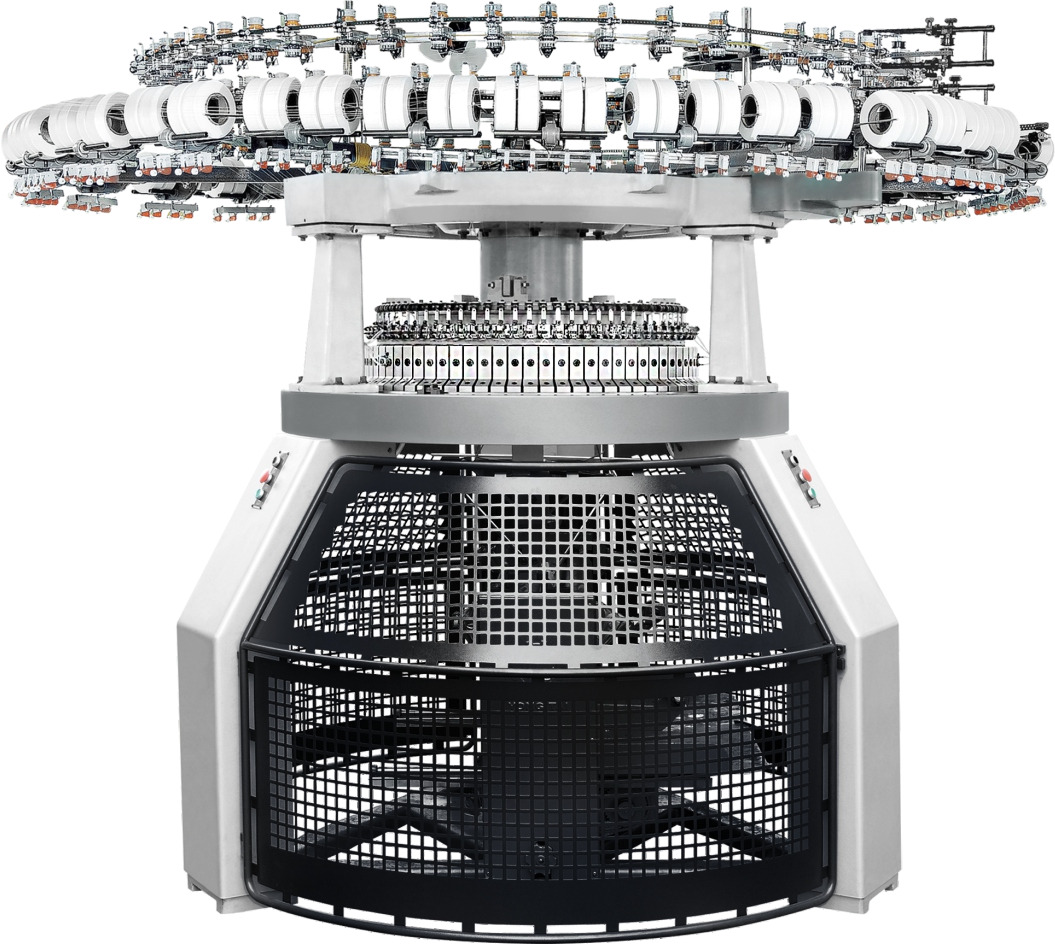
Learn how to identify and fix 10 common circular knitting machine problems, including needle breakage, yarn breakage, fabric holes, dropped stitches, uneven density, vibration, and machine stoppage.
10 Common Circular Knitting Machine Problems and How to Fix Them
A circular knitting machine can produce large amounts of knitted fabric when it is set up and maintained correctly. However, small problems can affect fabric quality, reduce production, and cause machine stoppage.
Some problems are related to yarn, needles, machine settings, or cleaning. Others can happen because of worn parts or poor lubrication.
In this guide, we explain 10 common circular knitting machine problems, their possible causes, and simple ways to check them.
1. Needle Breakage
Needle breakage is a common problem in circular knitting. A broken needle can damage the fabric and may also affect nearby machine parts.
Common causes
- Damaged or worn needles
- Incorrect needle position
- Wrong machine settings
- Yarn knots or thick areas
- Dirt around the needle area
- Problems with the cam area
- Too much machine speed
How to fix it
First, stop the machine and check the broken needle. Replace it with the correct needle type.
Then check the needle area for dirt, damaged parts, or yarn pieces. Check the yarn for knots or thick sections before restarting production.
If needles continue to break, the machine should be checked by a trained technician.
2. Yarn Breakage
Yarn breakage can lead to production delays and fabric defects. If it happens often, the cause should be found instead of simply restarting the machine each time.
Common causes
- Poor yarn quality
- Incorrect yarn tension
- Yarn knots
- Damaged yarn feeder
- Incorrect yarn path
- Dirty machine parts
- High machine speed
How to fix it
Check the yarn quality and make sure it is suitable for the machine and fabric being produced.
Next, check the yarn path, feeder, and tension. Make sure the yarn moves smoothly without rubbing against a damaged part.
If the yarn continues to break, check the feeder and other parts that guide the yarn.
3. Fabric Holes
Small or large holes in knitted fabric can reduce fabric quality and increase waste.
Common causes
- Broken needles
- Missed stitches
- Yarn breakage
- Incorrect needle movement
- Poor yarn feeding
- Damaged machine parts
How to fix it
Check the needles first. Replace damaged or broken needles.
Then inspect the yarn feeding system and make sure the yarn is reaching the needles correctly. Check the machine settings if the problem appears regularly in the same area of the fabric.
A sample of the defective fabric can also help identify where the problem starts.
4. Dropped Stitches
Dropped stitches happen when a stitch does not form correctly or comes off the needle.
Common causes
- Needle problems
- Incorrect yarn tension
- Poor yarn feeding
- Wrong machine settings
- Dirty needle area
- Worn machine parts
How to fix it
Check the needles and make sure they move correctly. Clean the needle area and inspect the yarn path.
Check yarn tension and make small adjustments if needed. Avoid changing several settings at the same time because it can make it difficult to find the real cause.
5. Vertical Lines on Fabric
Vertical lines can appear as visible lines running along the length of the fabric.
Common causes
- Needle problems
- Uneven yarn feeding
- Damaged needles
- Incorrect needle setting
- Yarn tension differences
- Problems in one knitting section
How to fix it
Look at the location of the line carefully. If it keeps appearing in the same position, check the needles and yarn feeding system in that area.
Replace damaged needles and check whether the yarn is moving evenly.
If the problem remains after these checks, the machine may need a more detailed inspection.
6. Uneven Stitch Density
Stitch density affects the appearance, weight, and feel of knitted fabric. Uneven density can make some areas look tighter or looser than others.
Common causes
- Incorrect stitch settings
- Uneven yarn tension
- Different yarn feeding conditions
- Needle problems
- Machine settings not matched to the yarn
- Worn parts
How to fix it
First, check the stitch setting and yarn tension.
Make sure the same yarn is being fed evenly throughout the knitting process. Check the needles and other parts that control stitch formation.
It is better to make small setting changes and check the fabric after each change.
7. Yarn Tension Problems
Correct yarn tension is important for stable knitting. Too much tension can cause yarn breakage, while low or uneven tension can result in loose stitches and poor fabric appearance.
How to fix yarn tension problems
Check the yarn path from the package to the knitting point.
Then check:
- Yarn feeder
- Tension device
- Yarn quality
- Yarn package
- Machine speed
- Stitch settings
Make small adjustments and produce a test section before continuing full production.
8. Machine Vibration
Some machine movement is normal during operation, but unusual or strong vibration should not be ignored.
Common causes
- Machine not properly leveled
- Loose parts
- Worn bearings
- Incorrect machine setup
- Unbalanced movement
- Problems with rotating parts
How to fix it
Stop the machine if the vibration is unusual.
Check whether the machine is properly positioned and stable. Inspect visible bolts, covers, and other accessible parts for looseness.
Do not continue production if strong vibration is accompanied by unusual noise or heat. A trained technician should inspect the machine.
9. Oil or Lubrication Problems
Lubrication helps moving parts work smoothly. Too little oil can increase wear, while too much oil can create stains and other problems.
Common lubrication problems
- Not enough oil
- Too much oil
- Oil leakage
- Wrong oil
- Blocked oil path
- Irregular lubrication
How to fix it
Follow the machine manufacturer's lubrication instructions.
Check the recommended oil type and lubrication points. Clean excess oil from areas where it can reach the fabric.
If oil is leaking from the machine, find the source before continuing production.
Regular lubrication is better than waiting until the machine starts making noise or moving poorly.
10. Frequent Machine Stoppage
Frequent stoppage can have many causes. The machine may stop because of yarn breakage, needle problems, alarms, sensor issues, or incorrect settings.
Common causes
- Frequent yarn breakage
- Needle breakage
- Machine alarms
- Sensor problems
- Electrical issues
- Incorrect settings
- Poor cleaning
- Worn parts
How to fix it
Do not simply restart the machine every time it stops.
Record when the machine stops and check the alarm or error message. Look for a repeated pattern.
For example, if the machine always stops at the same position, the problem may be related to a particular needle, feeder, sensor, or other machine part.
Finding the repeated cause can help reduce unnecessary downtime.
Simple Troubleshooting Checklist
When a circular knitting machine develops a problem, follow a simple process:
- Stop the machine safely.
- Check the alarm or error message.
- Look at the fabric defect.
- Check the yarn.
- Inspect needles and feeders.
- Check yarn tension.
- Check machine settings.
- Clean the affected area.
- Restart and produce a small test section.
- Contact technical support if the problem continues.
Avoid making many setting changes at once. One small change at a time makes troubleshooting easier.
How Regular Maintenance Can Prevent Problems
Many knitting problems can be reduced through regular maintenance.
Operators should regularly check:
- Needles
- Yarn feeders
- Needle area
- Machine cleanliness
- Oil level
- Yarn path
- Machine settings
- Sensors
- Moving parts
Keeping a simple maintenance record can also help identify repeated problems.
For example, if yarn breakage or needle breakage increases after a certain number of production hours, the machine may need inspection or replacement of worn parts.
When Should You Get Technical Support?
Some problems can be solved by normal operator checks, but repeated problems may require professional support.
Contact technical support when:
- Needles keep breaking
- Yarn keeps breaking after basic checks
- The machine makes unusual noise
- Strong vibration continues
- The same alarm appears repeatedly
- Fabric defects continue after setting adjustments
- Electrical problems occur
- Important machine parts appear damaged
Trying to repair electrical or major mechanical problems without proper knowledge can create further damage.
Choosing the Right Machine and Support
The best circular knitting machine for one production unit may not be the right choice for another. Machine gauge, fabric type, production volume, yarn, automation, machine configuration, and available support should all be considered before purchasing.
After-sales support is also important because regular maintenance, spare parts, troubleshooting, and operator guidance can affect long-term machine performance.
A reliable textile machinery supplier can help you compare suitable machine options according to your production requirements.
Support from Ramana Machines
Ramana Machines helps textile businesses with circular knitting machinery sourcing, machine selection, installation assistance, operator training, spare parts, and after-sales technical support.
We can assist customers in selecting suitable machinery based on fabric type, production requirements, machine specifications, and application. Ramana Machines also supports customers with China sourcing and imported textile machinery requirements.
If you are facing repeated knitting problems or planning to add circular knitting equipment to your production line, Ramana Machines can provide machinery and support based on your requirements.