
Blog
Common Flat Bed Knitting Machine Operating Mistakes
By Ramana Machines · September 16, 2026
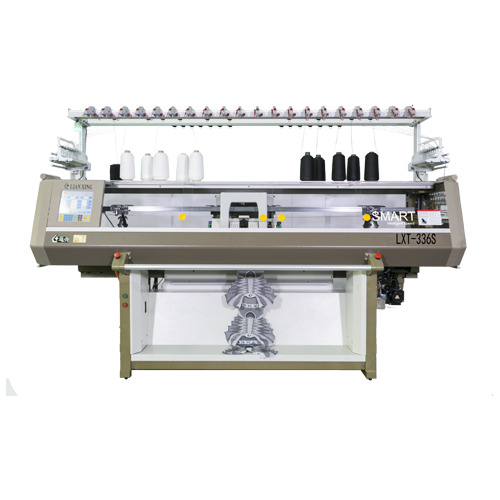
Learn about common flat bed knitting machine operating mistakes, including incorrect yarn tension, poor cleaning, wrong settings, ignored alarms, and delayed maintenance.
Common Flat Bed Knitting Machine Operating Mistakes to Avoid
Operating a flat bed knitting machine correctly is important for maintaining fabric quality, reducing downtime, and avoiding unnecessary damage to machine components. Many production problems are not caused by major machine faults but by small operating mistakes that are repeated every day.
Understanding these common mistakes can help operators work more safely, maintain consistent output, and identify problems before they become serious.
1. Incorrect Yarn Tension
Yarn tension has a direct effect on stitch formation and fabric appearance. If the tension is too high, the yarn may break frequently, stitches can become tight, and the machine may experience unnecessary stress.
If the tension is too low, stitches may become loose or uneven, which can affect the final fabric quality.
Operators should check the yarn path, feeder, and tension setting before starting production. It is also useful to run a small test sample whenever the yarn or production requirement changes.
2. Poor Cleaning
Dust, lint, loose fibers, and yarn waste can collect around the needle bed, carriage, feeders, and other working areas. If cleaning is neglected, these materials can interfere with smooth machine movement and may contribute to component wear.
Cleaning should be part of the regular operating routine rather than something done only when a problem appears.
Operators should follow the machine manufacturer's recommended cleaning procedure and use suitable tools. Avoid applying excessive force when cleaning delicate components.
3. Using the Wrong Machine Settings
Incorrect stitch settings, speed, yarn selection, or other machine parameters can result in uneven stitches, fabric defects, yarn breakage, or unnecessary machine stress.
A computerized flat bed knitting machine may provide several programmable settings, but operators still need to understand what each setting controls.
Before production, check the program, stitch settings, yarn information, and other relevant parameters. When changing from one product to another, avoid assuming that the previous settings will work for the new production requirement.
4. Ignoring Machine Alarms
Machine alarms should never be ignored or repeatedly reset without finding the cause.
An alarm may indicate a yarn problem, needle issue, carriage obstruction, sensor problem, or another operating condition that needs attention. Continuing production without checking the reason can make a small issue more difficult to solve.
When an alarm appears:
- Stop or pause the machine safely.
- Read the alarm message or error code.
- Check the area mentioned by the machine.
- Correct the basic problem if it is within the operator's responsibility.
- Restart only after confirming that the machine is ready.
If the same alarm keeps returning, technical support may be required.
5. Delaying Maintenance
Waiting until a machine develops a major fault before carrying out maintenance can increase downtime and repair costs.
Regular inspection helps operators identify worn needles, damaged feeders, lubrication requirements, loose components, and other problems at an earlier stage.
Maintenance should include routine cleaning, needle inspection, lubrication where required, and periodic checks according to the machine's service recommendations.
Keeping a simple maintenance record can also help the production team understand when inspections and replacement of important parts are due.
6. Not Checking the Machine Before Production
Starting production without a basic inspection is another common mistake.
Before switching on the machine, operators should check:
- Needle condition
- Needle bed cleanliness
- Yarn path
- Feeder condition
- Carriage movement
- Lubrication requirements
- Electrical connections
- Emergency stop function
- Program and machine settings
A short pre-start inspection can prevent many avoidable interruptions during production.
7. Trying to Fix Every Problem Without Support
Operators can handle many routine checks, but not every problem should be repaired without technical knowledge.
Electrical faults, repeated programming errors, unusual mechanical noise, sensor problems, or repeated component failures may require assistance from an experienced technician.
Using the correct replacement components is also important. A reliable textile machinery supplier can help identify suitable spare parts and provide guidance when technical problems require additional support.
A Simple Daily Operating Routine
A consistent routine can reduce operating mistakes:
Before production: Check the machine, yarn, settings, needles, and safety systems.
During production: Monitor yarn feeding, stitch quality, machine movement, and alarms.
After production: Clean the working area, inspect important components, and record any issues noticed during operation.
These simple steps help operators detect problems early instead of waiting for a machine breakdown or fabric quality issue.
When Should You Get Technical Support?
Technical support is useful when a problem continues after basic checks or when the issue involves electrical systems, programming, sensors, major mechanical components, or repeated machine errors.
Operators should avoid making unfamiliar adjustments that could damage the machine or affect production settings. Following the machine manufacturer's instructions and getting qualified assistance can reduce unnecessary downtime.
Support from Ramana Machines
Ramana Machines supports textile businesses with suitable machinery sourcing, installation assistance, operator training, spare parts, and after-sales technical support. As a textile machinery supplier, we help customers with machine selection and ongoing support based on their production requirements.
For businesses using flat knitting equipment, Ramana Machines can assist with sourcing, China imports, installation, training, spare parts, and technical support to help maintain reliable machine operation.
Related
More insights
September 16, 2026
Flat Bed Knitting Machine Buying Guide: Key Specifications
Learn which specifications to check before buying a flat bed knitting machine, including gauge, systems, working width, automation, software, production needs, support, and spare parts.
September 16, 2026
How to Improve Flat Bed Knitting Machine Productivity
Learn practical ways to improve flat knitting machine productivity by reducing downtime, using correct settings, training operators, maintaining equipment, and managing yarn properly.
September 16, 2026