
Blog
Common Flat Bed Knitting Machine Problems & Fixes
By Ramana Machines · September 16, 2026
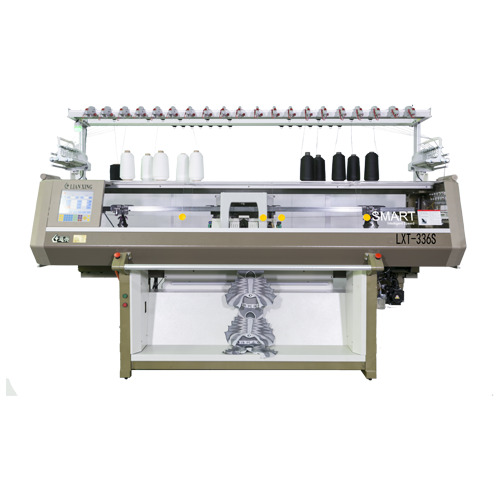
Learn how to identify and troubleshoot common flat knitting machine problems, including startup failures, yarn and needle breakage, uneven stitches, fabric defects, and carriage issues.
Common Flat Bed Knitting Machine Problems and How to Fix Them
A flat knitting machine can produce consistent fabric for long production runs when it is correctly set and maintained. However, operators may sometimes face problems such as starting failures, yarn breakage, broken needles, uneven stitches, fabric defects, or carriage movement issues.
Finding the cause before making adjustments is important. A simple inspection can often identify the problem and prevent unnecessary downtime.
Machine Not Starting
If the machine does not start, first check the basic electrical and operating conditions.
Possible causes include:
- Main power supply is switched off
- Emergency stop button is active
- Loose electrical connection
- Safety sensor or interlock is not in the correct position
- Control panel shows an error
- Machine has not completed its startup sequence
Start by checking the power supply and emergency stop. If an error message appears on the control panel, refer to the machine's operating instructions before attempting further adjustments.
Do not bypass safety switches or electrical protection devices.
Yarn Breaking During Knitting
Yarn breaking can interrupt production and create uneven areas in the fabric. The problem may come from the yarn itself or from the yarn path through the machine.
Check:
- Yarn quality and condition
- Yarn tension
- Yarn feeding path
- Yarn feeder
- Damaged or rough machine components
- Incorrect machine settings
Try running a short test after correcting the suspected cause. If the yarn continues to break at the same point, inspect the yarn path carefully for anything that could be catching or rubbing against the yarn.
Needle Breaking
Broken needles should not be ignored because damaged needles can affect both fabric quality and machine operation.
Common causes include:
- Incorrect needle position
- Foreign material in the needle bed
- Damaged needle components
- Incorrect carriage setting
- Excessive resistance during knitting
- Incorrect yarn or stitch settings
Stop the machine before inspecting the needle area. Replace damaged needles with the correct type and check the surrounding needles for signs of wear or damage.
Uneven Stitches
Uneven stitches can make the fabric look irregular even when the machine appears to be operating normally.
Possible causes include:
- Inconsistent yarn tension
- Incorrect stitch settings
- Uneven yarn feeding
- Worn needles
- Dirt or lint in the needle bed
- Incorrect carriage adjustment
First check the yarn and tension settings. If the problem remains, inspect the needles and needle bed. Making one adjustment at a time makes it easier to identify the actual cause.
Fabric Defects
Fabric defects can appear in different forms, including holes, lines, uneven areas, loose stitches, or changes in fabric density.
The first step is to identify exactly where the defect begins. Then check the related machine setting, yarn feeding, needles, and carriage movement.
Keep a sample of the defective fabric when troubleshooting. Comparing it with a correctly knitted sample can help identify changes in stitch formation or yarn feeding.
Carriage Problems
The carriage controls important knitting functions and needs smooth, consistent movement across the needle bed.
If the carriage becomes difficult to move, stops unexpectedly, makes unusual sounds, or does not knit correctly, stop production and inspect the machine.
Check for:
- Dirt or lint around the needle bed
- Obstructions
- Damaged needles
- Incorrect carriage settings
- Lack of required lubrication
- Worn carriage components
Never force the carriage when resistance is present. Forcing it may cause additional damage to needles or other machine parts.
When Parts Need to Be Replaced
Some problems cannot be solved through settings alone. Worn needles, damaged feeders, carriage components, sensors, and other parts may need inspection or replacement.
A textile machinery spare parts supplier can help identify suitable replacement components when the required part is not readily available.
Before ordering a replacement, check the machine model, component specification, and part number where available. Using an incorrect component can create further operating problems.
A Simple Troubleshooting Approach
When a problem occurs, avoid changing several settings at the same time. A better approach is:
- Stop the machine safely.
- Identify the exact problem.
- Check the simplest possible causes first.
- Inspect yarn, needles, feeding, and machine settings.
- Make one adjustment at a time.
- Run a small test.
- Check the result before restarting full production.
This method helps reduce unnecessary adjustments and makes recurring problems easier to track.
When to Call for Technical Support
If the same fault continues after basic checks, professional technical assistance may be required. Electrical faults, control-system errors, repeated carriage problems, or unexplained needle damage should be handled according to the machine's technical documentation and safety procedures.
A computerized flat bed knitting machine distributor may also provide installation guidance, operator training, troubleshooting assistance, and after-sales technical support depending on the equipment supplied.
Support from Ramana Machines
Ramana Machines helps textile businesses with machine selection, sourcing, installation assistance, operator training, spare parts, and after-sales technical support. Whether you are setting up new knitting equipment or dealing with an ongoing machine issue, Ramana Machines can assist with suitable machinery and support based on your production requirements.
Related
More insights
September 16, 2026
Flat Bed Knitting Machine Buying Guide: Key Specifications
Learn which specifications to check before buying a flat bed knitting machine, including gauge, systems, working width, automation, software, production needs, support, and spare parts.
September 16, 2026
Common Flat Bed Knitting Machine Operating Mistakes
Learn about common flat bed knitting machine operating mistakes, including incorrect yarn tension, poor cleaning, wrong settings, ignored alarms, and delayed maintenance.
September 16, 2026