
Blog
Common Operating Mistakes to Avoid When Using a Stenter Machine
By Ramana Machines · October 16, 2026
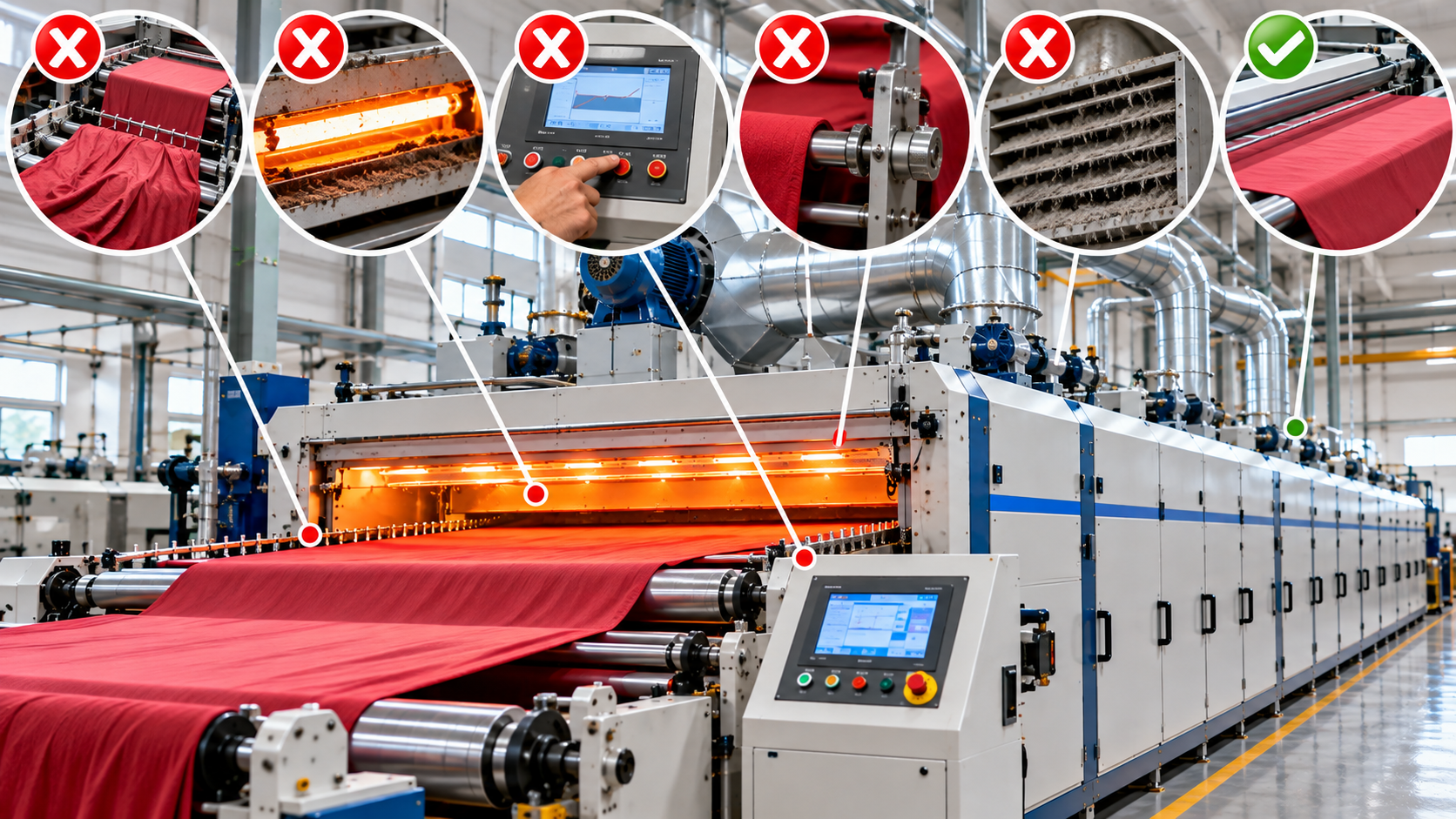
Incorrect temperature, fabric tension, overfeed, and airflow settings can affect stenter machine performance and fabric quality. Learn the common operating mistakes to avoid and how regular maintenance and correct settings can improve textile finishing results.
A stenter machine plays an important role in textile finishing. It helps control fabric width, remove moisture, apply heat, and improve dimensional stability. However, incorrect operating practices can lead to fabric defects, uneven drying, excess energy use, and unexpected machine breakdowns.
Many of these problems can be reduced by using the correct machine settings, training operators, and following a regular maintenance schedule.
In this guide, we will cover the most common operating mistakes to avoid when using a stenter machine and explain how to improve fabric quality and machine performance.
1. Using the Wrong Temperature Settings
Temperature is one of the most important factors in stenter machine operation. Different fabrics require different heating conditions depending on their fibre composition, weight, moisture content, and finishing requirements.
Using excessive heat can cause fabric yellowing, shade changes, fibre damage, or other defects. If the temperature is too low, the fabric may not dry properly or achieve the required heat-setting result.
How to avoid this mistake:
- Check the recommended temperature for each fabric type.
- Follow approved process settings rather than using the same temperature for every batch.
- Monitor chamber temperatures during production.
- Check temperature sensors and controllers regularly.
- Test the finished fabric before starting large production batches.
2. Setting the Wrong Fabric Width
A stenter machine uses pins or clips to hold fabric edges while chains guide the material through the heating chambers. Incorrect width settings can stretch the fabric too much or result in a finished width that does not meet specifications.
Excessive stretching may also cause the fabric to contract later during washing or relaxation.
How to avoid this mistake:
- Confirm the required finished width before production.
- Set the chain width according to the fabric and process requirements.
- Check width consistency at different points across the fabric.
- Avoid stretching the fabric beyond the recommended limits.
- Measure the finished fabric regularly.
Correct width control helps reduce material waste and improves consistency between batches.
3. Applying Excessive Fabric Tension
Fabric tension affects the way material moves through the machine. Excessive tension can stretch the fabric, distort its structure, or contribute to shrinkage after finishing.
Knitted fabrics and stretch materials may be especially sensitive to tension during processing.
How to avoid this mistake:
- Check fabric feeding and alignment before starting production.
- Adjust tension according to the fabric construction.
- Use suitable overfeed settings where applicable.
- Avoid pulling fabric too tightly during loading.
- Inspect feeding rollers and related components for problems.
Operators should check both the fabric's movement and its finished dimensions rather than relying only on machine settings.
4. Incorrect Overfeed Settings
Overfeed controls how much fabric is fed into the machine compared with how quickly it moves through the processing section. It can help manage lengthwise tension and influence the finished fabric's dimensions.
Incorrect overfeed may lead to unwanted stretching, creasing, uneven fabric length, or inconsistent shrinkage performance.
How to avoid this mistake:
- Use tested overfeed settings for each fabric type.
- Check fabric behaviour during trial runs.
- Monitor finished length and width.
- Record successful settings for repeat production.
- Avoid making large adjustments without checking the results.
Overfeed should be adjusted as part of the complete process, along with fabric speed, tension, and width.
5. Ignoring Airflow and Nozzle Cleaning
The heating chambers use circulating hot air to dry fabric and support the required finishing process. Dust, lint, or residue can block airflow passages and affect heat distribution.
Poor airflow may cause uneven drying, inconsistent fabric quality, and longer processing times.
How to avoid this mistake:
- Clean filters and nozzles according to the maintenance schedule.
- Inspect air passages for lint and deposits.
- Check fans and airflow systems regularly.
- Monitor drying quality across the full fabric width.
- Investigate unusual fan noise or changes in airflow.
Always follow the manufacturer's shutdown and safety procedures before cleaning or inspecting internal components.
6. Running the Machine at the Wrong Speed
Machine speed affects how long fabric remains inside the heating chambers. If the line runs too quickly, the fabric may not receive sufficient drying or heat-setting. If it runs too slowly, production capacity may decrease and energy consumption per unit of fabric may increase.
How to avoid this mistake:
- Set speed according to the fabric and finishing process.
- Consider moisture content, fabric weight, and temperature.
- Check fabric quality after speed changes.
- Monitor the output under normal production conditions.
- Avoid increasing speed only to meet production targets.
The correct speed is the one that balances production output with consistent fabric quality.
7. Using Incorrect Pin or Clip Settings
Stenter machines may use pin-type or clip-type systems to hold fabric edges. If pins are damaged or clips are poorly adjusted, the fabric may slip, become misaligned, or develop edge defects.
Incorrect gripping can also cause uneven width and additional fabric waste.
How to avoid this mistake:
- Inspect pins for bending, wear, or damage.
- Check clips for cleanliness and proper gripping.
- Confirm that fabric edges are aligned correctly.
- Replace worn components when required.
- Select the holding system based on fabric suitability.
Do not adjust or inspect moving chains and fabric holders while the machine is running.
8. Ignoring Fabric Moisture Content
Fabric entering the stenter machine with inconsistent moisture levels can produce uneven drying results. Differences in moisture content may affect the required temperature, line speed, and total processing time.
How to avoid this mistake:
- Check the fabric condition before processing.
- Maintain consistent upstream dewatering where applicable.
- Adjust the drying process for different fabric weights.
- Monitor the finished fabric for remaining moisture.
- Investigate variations between batches.
Consistent preparation before stenter finishing helps operators maintain stable production conditions.
9. Skipping Routine Machine Maintenance
A stenter machine contains moving chains, bearings, fans, motors, rollers, sensors, and heating components. Neglecting these parts can cause unexpected stoppages and affect fabric quality.
How to avoid this mistake:
- Inspect chains, bearings, and rollers regularly.
- Lubricate components according to manufacturer instructions.
- Check fans, motors, and sensors.
- Inspect heating and temperature-control systems.
- Replace worn parts before they cause larger problems.
- Keep maintenance records for each machine.
Preventive maintenance helps reduce downtime and makes it easier to identify recurring faults.
10. Failing to Monitor Fabric Quality During Production
Some operators check fabric quality only after the entire batch has been processed. By then, incorrect settings may have affected a large amount of material.
How to avoid this mistake:
- Inspect fabric at the start of every batch.
- Check width, shade, drying, and surface appearance.
- Take samples at suitable intervals.
- Record any changes in machine settings.
- Stop and investigate when defects appear.
Early inspection helps operators correct problems before they affect more fabric.
11. Using Incorrect Settings for Different Fabric Types
Cotton, polyester, knitted fabrics, woven fabrics, and blended materials do not respond to heat and tension in the same way.
Using identical settings for every fabric can lead to poor drying, unwanted shrinkage, or finishing defects.
How to avoid this mistake:
- Identify the fibre composition and construction.
- Use separate process recipes where needed.
- Confirm temperature, speed, width, and overfeed settings.
- Run a trial when processing an unfamiliar fabric.
- Record successful results for future batches.
Operators should understand that the correct settings depend on both the material and the desired finished properties.
12. Neglecting Operator Training and Safety
Even a well-designed machine may produce poor results if operators do not understand its controls and safety requirements. Incorrect adjustments can damage fabric and put workers at risk.
How to avoid this mistake:
- Train operators on normal operation and shutdown.
- Explain the purpose of important machine settings.
- Teach operators how to identify common defects.
- Keep operating and maintenance instructions accessible.
- Follow lockout and isolation procedures before maintenance.
- Never bypass guards, interlocks, or safety systems.
Training helps improve both production consistency and workplace safety.
Quick Checklist for Stenter Machine Operators
Use this checklist before and during production.
Checkpoint | What to verify |
| Temperature | Suitable for the fabric and process |
| Fabric width | Matches the required finished dimensions |
| Tension and overfeed | Set to prevent unwanted stretching |
| Line speed | Suitable for drying and heat-setting |
| Airflow | Fans, filters, and nozzles are working properly |
| Fabric holders | Pins or clips are clean and in good condition |
| Moisture | Fabric preparation is consistent |
| Fabric quality | Width, shade, and surface are checked |
| Machine condition | Chains, rollers, bearings, and sensors are inspected |
| Safety | Guards and emergency stops are functional |
How to Choose a Reliable Stenter Machine Supplier
Avoiding operating mistakes begins with selecting equipment that matches your production requirements. Before purchasing, compare the working width, heating system, temperature control, airflow design, fabric-holding system, energy consumption, and maintenance requirements.
If you are considering a Chinese fabric stenter machine in India, review the machine specifications carefully and confirm the availability of installation assistance, spare parts, operating instructions, and after-sales support.
A reliable textile machinery supplier trader in India should be able to explain the machine's capabilities, recommend suitable configurations for your fabrics, and help you understand its maintenance needs before you invest.
Improve Stenter Machine Performance with Correct Operating Practices
Correct temperature, fabric width, tension, overfeed, and airflow settings help maintain fabric quality and reduce avoidable production problems. Regular maintenance and trained operators are equally important for reliable machine performance.
Ramana Machines supports textile manufacturers in exploring suitable textile processing machinery, spare parts, and technical assistance. Contact the team to discuss your production needs and find equipment suited to your fabric finishing operations.
Related
More insights
16 Oct 2026
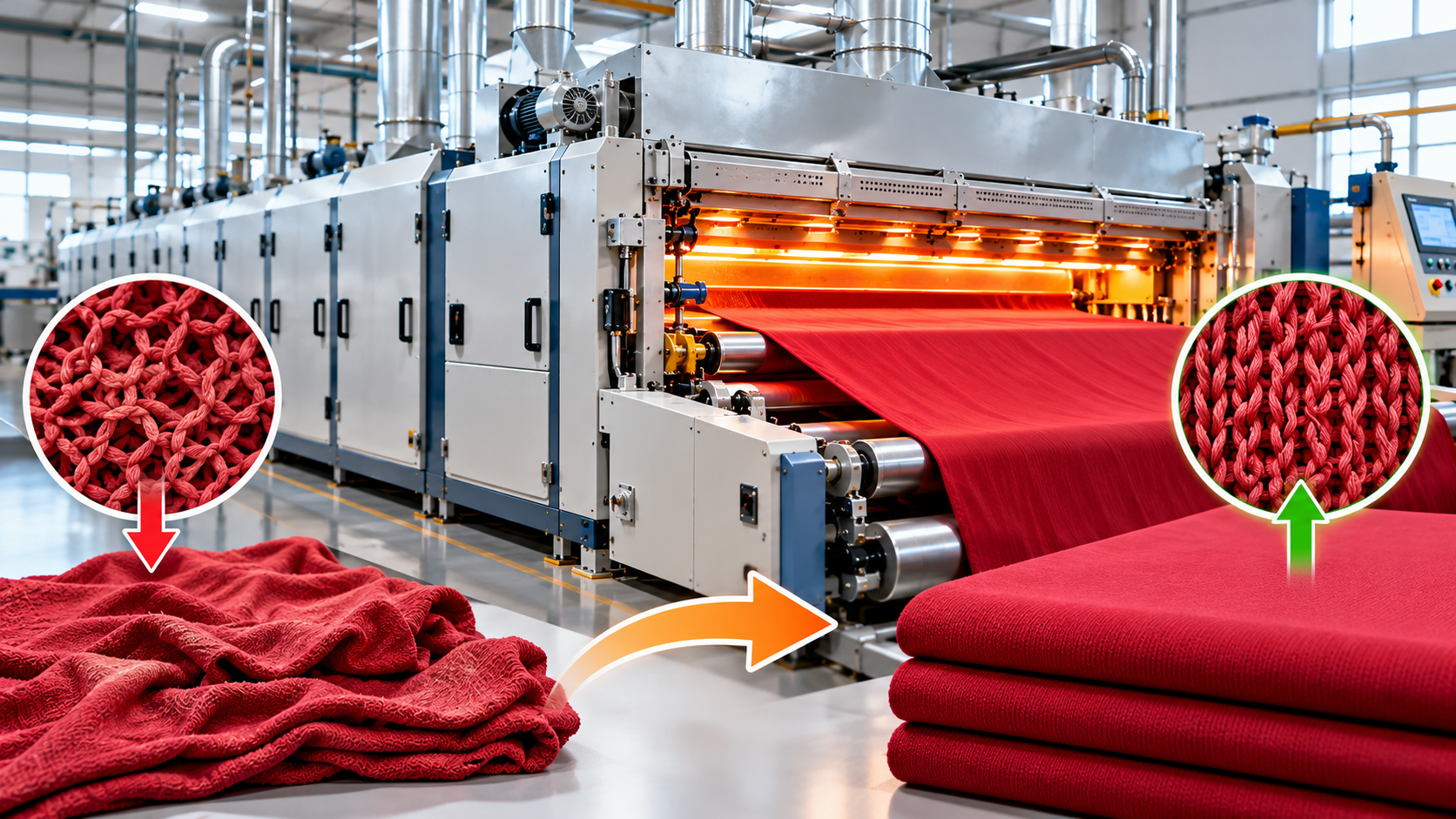
How Does a Stenter Machine Help Control Fabric Shrinkage?
View16 Oct 2026
How Does a Stenter Machine Help Control Fabric Shrinkage?
A stenter machine helps textile manufacturers control fabric width, manage tension, and apply controlled heat during finishing. Learn how temperature, overfeed, airflow, and proper machine settings support dimensional stability and help reduce unwanted shrinkage.
View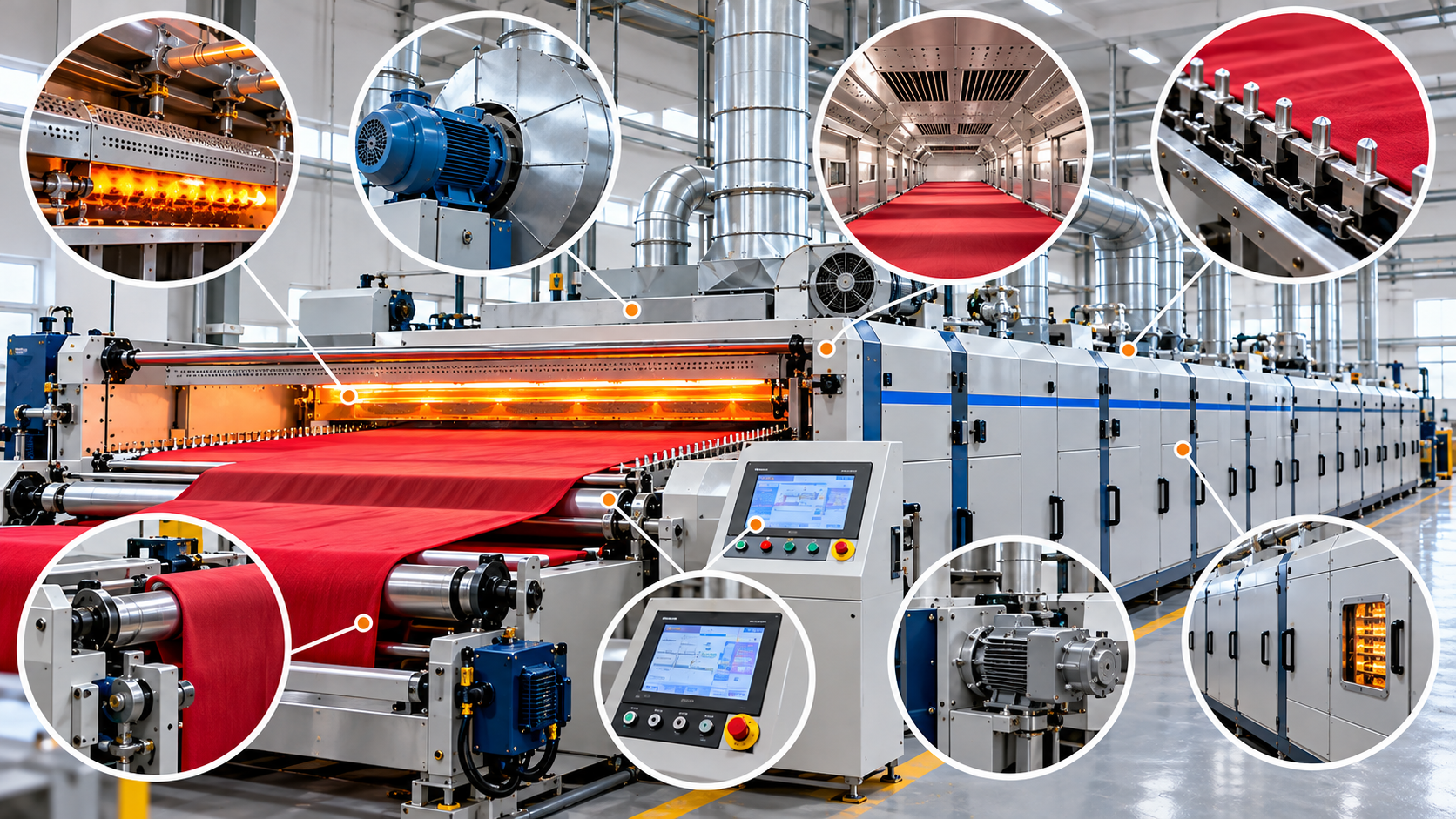
16 Oct 2026
What Specifications Should You Check Before Buying a Stenter Machine?
View16 Oct 2026
What Specifications Should You Check Before Buying a Stenter Machine?
Planning to buy a stenter machine? Learn how to compare working width, temperature control, heating systems, production speed, airflow, energy consumption, safety features, and maintenance support to find the right machine for your textile production needs.
View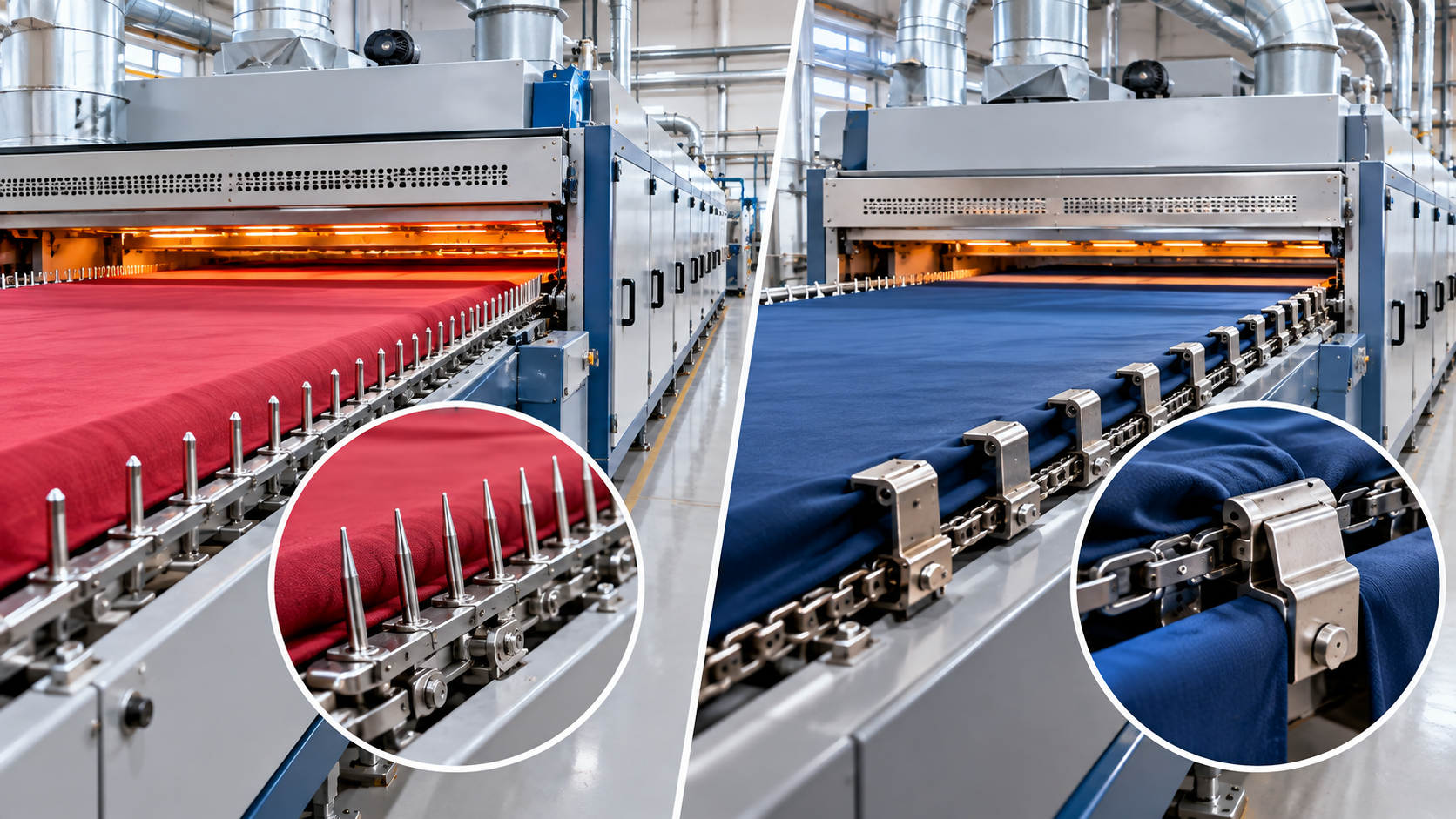
16 Oct 2026
What Is the Difference Between Pin-Type and Clip-Type Stenter Machines?
View16 Oct 2026
What Is the Difference Between Pin-Type and Clip-Type Stenter Machines?
Pin-type and clip-type stenter machines hold fabric edges differently during drying and heat-setting. Learn how they compare in fabric handling, edge quality, maintenance, and machine selection.
ViewFrequently Asked Questions
Find answers to the most common questions about our machines, services and support.
Incorrect temperature, fabric width, tension, and overfeed settings are common operating mistakes. These can affect fabric quality, shrinkage, and dimensional stability.
Fabric may shrink because of excessive processing tension, unsuitable width settings, or the natural relaxation of its structure. Some fabrics also require additional processes, such as compacting, to meet shrinkage limits.
Maintenance frequency depends on the machine design, operating hours, and working conditions. Follow the manufacturer's schedule and inspect critical components regularly.
Airflow distributes heat and removes moisture from the fabric. Poor airflow can result in uneven drying and inconsistent finishing quality.
Use the correct process settings, inspect fabric regularly, maintain pins and clips, and identify defects early. Trial runs and recorded process recipes can also help reduce errors between batches.
Yes. Excessive speed may result in insufficient drying or heat-setting, while unnecessarily low speed can reduce productivity and increase energy use per unit of fabric.