
Blog
Flat Bed Knitting Machine Buying Guide: Key Specifications
By Ramana Machines · September 16, 2026
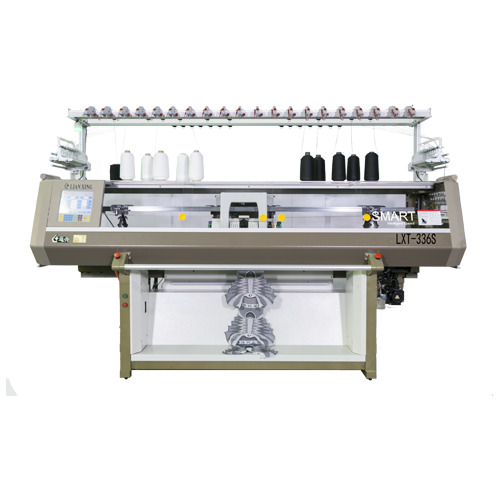
Learn which specifications to check before buying a flat bed knitting machine, including gauge, systems, working width, automation, software, production needs, support, and spare parts.
Flat Bed Knitting Machine Buying Guide: Specifications You Should Check
Buying a flat bed knitting machine is an important decision because the machine you choose can affect fabric quality, production capacity, operating costs, and future expansion. Instead of looking only at the machine price, it is important to compare the specifications with your actual production requirements.
This guide explains the main specifications and factors to check before purchasing a machine.
1. Machine Gauge
Gauge refers to the spacing or density of the needles on the needle bed. It affects the type of fabric and yarn that the machine can handle.
Different gauges are suitable for different applications. Fine gauges may be used for lighter and more detailed knitted products, while coarser gauges can be suitable for thicker fabrics and heavier yarns.
Before selecting the gauge, consider:
- Type of fabric you want to produce
- Yarn thickness
- Required fabric appearance
- Product application
- Existing production requirements
Choosing the correct gauge at the beginning is important because changing the machine later may involve significant additional cost.
2. Number of Systems
The number of systems is another specification worth checking. It can influence how the machine handles knitting operations and how efficiently certain production processes can be completed.
When comparing machines, understand what the listed systems actually provide and whether they are useful for your products. A higher number is not automatically necessary if your production requirements are simple.
Ask the supplier for clear information about system configuration, knitting functions, and expected production performance.
3. Working Width
Working width determines the maximum knitting area available on the machine.
Your required width depends on the products you plan to make. For example, sweater panels, collars, accessories, shoe uppers, and other knitted components may require different working widths.
Before purchasing, compare:
- Maximum knitting width
- Minimum practical production size
- Product dimensions
- Needle bed configuration
- Available machine sizes
Choosing a suitable working width can provide greater flexibility without paying for capacity that you may not need.
4. Automation
Automation can make machine operation easier and improve production consistency when properly configured.
Modern computerized machines may offer programmable knitting functions, automatic controls, pattern management, monitoring systems, and other features.
However, automation should be selected according to your production needs. Consider whether your operators have the required training and whether technical support is available when programming or operating problems occur.
5. Production Requirements
Your production requirement should be one of the first things considered when comparing machines.
Think about:
- Products to be manufactured
- Expected production volume
- Yarn types
- Fabric structures
- Required working width
- Required gauge
- Production flexibility
- Future product plans
A machine designed for one specific application may not be the right choice if you expect to produce several different types of knitted products.
It is useful to prepare a clear production requirement sheet before contacting suppliers. This makes machine comparison easier and reduces the risk of selecting unsuitable equipment.
6. Software and Programming
For computerized equipment, software is an important part of the buying decision.
Check whether the machine's software supports the functions you need for pattern creation, editing, storage, and production management. Also ask about software compatibility, operator training, updates, and technical assistance.
The software interface should be practical for the operators who will use the machine regularly.
Before purchasing, request a demonstration whenever possible. Seeing how patterns are created and transferred to the machine can provide a better understanding than specifications alone.
7. Technical and After-Sales Support
Technical support should not be overlooked when buying knitting equipment.
Even a well-selected machine may require installation assistance, operator training, troubleshooting, programming support, or periodic servicing.
Ask the supplier about:
- Installation
- Operator training
- Technical troubleshooting
- Remote support
- On-site assistance
- Maintenance guidance
- Availability of replacement components
Good support can help operators solve routine problems and reduce unnecessary production downtime.
8. Spare Parts Availability
Spare parts availability is another important consideration before placing an order.
Common components such as needles, feeders, sensors, and other machine parts may eventually require replacement due to normal wear or operating conditions.
Before buying, ask which parts are normally kept available and how they can be ordered when required. Working with a reliable textile machinery spare parts supplier can make future maintenance and replacement easier.
It is also useful to understand the recommended maintenance schedule and identify critical components that should be kept in stock.
9. Compare the Complete Machine Package
Do not compare machines only by their basic specifications or purchase price. Check what is included in the complete package.
Consider:
- Machine configuration
- Accessories
- Software
- Installation
- Training
- Warranty terms
- Spare parts
- Technical support
- Delivery and documentation
Two machines with similar specifications may provide different levels of support and service, so the complete package should be reviewed before making a decision.
Questions to Ask Before Buying
Before finalizing a machine, ask the supplier:
- What gauge is suitable for my yarn and products?
- What working width do I need?
- How many systems are included?
- What automation features are available?
- Which software and programming functions are included?
- What production capacity can I expect for my application?
- Is operator training provided?
- How are technical issues handled after installation?
- Which spare parts are readily available?
- What are the installation, warranty, and after-sales support terms?
Getting clear answers to these questions can make the purchasing process much easier.
Choosing the Right Supplier
The machine itself is only one part of the purchase. The supplier's experience, technical assistance, spare parts availability, and understanding of your production requirements can also affect your long-term experience.
A reliable flat knitting machine distributor should be able to explain the machine specifications clearly and help you match the equipment with your intended application rather than simply focusing on the sale.
Support from Ramana Machines
Ramana Machines helps textile businesses source suitable flat knitting machinery based on their production requirements. We support customers with machine selection, China sourcing, import and distribution, installation assistance, operator training, spare parts, and after-sales technical support.
Whether you are setting up a new knitting unit or expanding existing production, Ramana Machines can assist with suitable machinery options and the support required for long-term operation.
Related
More insights
September 16, 2026
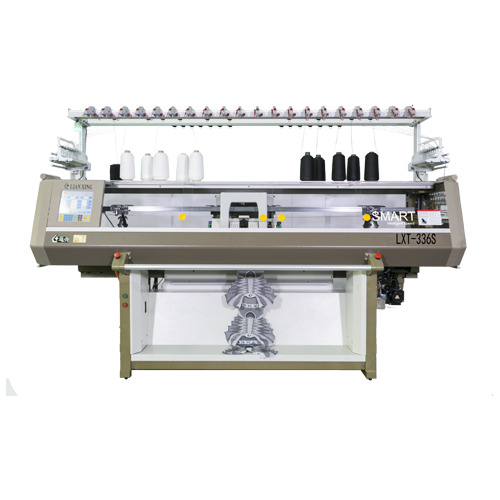
Common Flat Bed Knitting Machine Operating Mistakes
Learn about common flat bed knitting machine operating mistakes, including incorrect yarn tension, poor cleaning, wrong settings, ignored alarms, and delayed maintenance.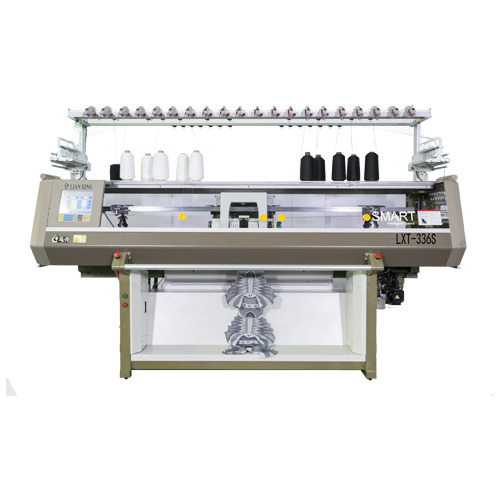
September 16, 2026
How to Improve Flat Bed Knitting Machine Productivity
Learn practical ways to improve flat knitting machine productivity by reducing downtime, using correct settings, training operators, maintaining equipment, and managing yarn properly.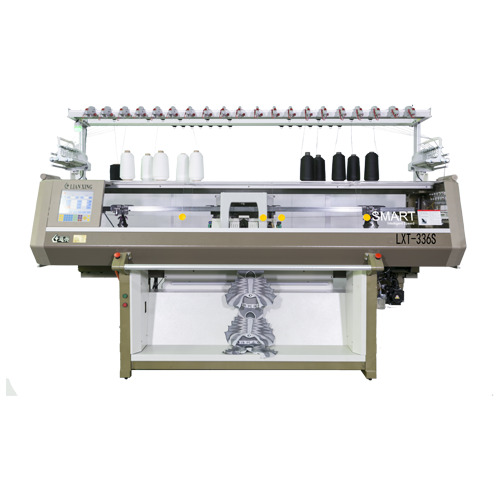
September 16, 2026