
Blog
Flat Bed Knitting Machine Cleaning & Lubrication Guide
By Ramana Machines · September 16, 2026
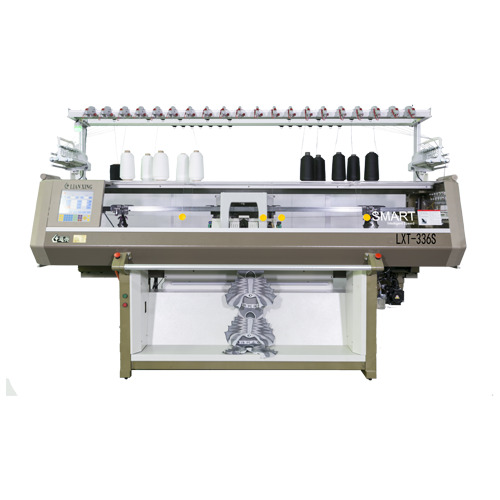
Learn how to clean and lubricate a flat bed knitting machine, including key cleaning areas, lubrication points, maintenance frequency, and common mistakes to avoid.
Flat Bed Knitting Machine Cleaning & Lubrication Guide
Regular cleaning and lubrication are important parts of keeping a flat knitting machine in good working condition. Yarn fibers, lint, dust, and oil residue can collect around moving components and may affect knitting quality if they are not removed regularly.
At the same time, too much lubricant or applying it in the wrong place can create new problems. Maintenance should therefore be done carefully and according to the machine manufacturer's instructions.
What to Clean
Cleaning should focus on areas where yarn fibers and dust commonly collect.
Needle Bed
The needle bed should be kept clean because lint and debris can interfere with needle movement. Carefully remove loose fibers and inspect the needle grooves for accumulated material.
Needles
Check the needles for lint, yarn residue, or signs of damage. A damaged or restricted needle can affect stitch formation and may contribute to needle breakage.
Carriage
Inspect accessible areas of the carriage for dust, lint, and yarn fibers. The carriage should move smoothly across the needle bed without unusual resistance.
Yarn Feeding Area
Clean around yarn guides and accessible feeder areas. Accumulated fibers can affect smooth yarn movement and may contribute to yarn breakage.
Machine Surroundings
The area around the machine should also be kept clean. Excessive dust around the equipment can eventually enter machine components and increase maintenance requirements.
Where to Lubricate
Lubrication reduces friction between components and helps maintain smooth movement. However, lubrication points differ between machine models.
Common areas that may require lubrication include:
- Specified needle-bed areas
- Carriage-related moving components
- Designated mechanical joints
- Other lubrication points listed in the machine manual
Always use the lubricant recommended for the specific equipment. Never assume that every moving part needs oil.
Avoid Over-Lubrication
Too much oil can attract dust and lint. It can also reach the yarn or fabric and cause stains.
Apply only the recommended amount at the specified points. Wipe away excess lubricant where the maintenance instructions require it.
How Often Should Cleaning and Lubrication Be Done?
There is no single schedule that works for every machine. The required frequency depends on machine design, production hours, yarn type, working environment, and the manufacturer's recommendations.
A practical routine can include:
Daily: Remove lint, loose yarn, and visible dust from accessible areas.
Weekly: Perform a more detailed inspection of the needle bed, carriage, yarn-feeding area, and other accessible components.
Periodically: Carry out scheduled lubrication, inspection, and servicing according to the machine manual and operating hours.
Machines operating for long production periods may require more frequent attention.
Common Maintenance Mistakes
Several simple mistakes can reduce machine performance.
Using the Wrong Lubricant
Different machine components may require specific lubricants. Using an unsuitable product can affect component performance.
Applying Too Much Oil
Excess lubrication can attract dust and may contaminate fabric.
Cleaning Without Inspecting
Cleaning should also be an opportunity to look for bent needles, damaged guides, loose components, or unusual wear.
Ignoring Small Problems
Unusual carriage movement, repeated yarn breakage, or changes in stitch quality should not be ignored. These may indicate a developing mechanical issue.
Using Excessive Force
Do not force needles, the carriage, or other machine components during cleaning. If a component does not move normally, identify the cause before continuing.
Safe Cleaning and Lubrication Practices
Before maintenance, stop the machine and follow the required safety procedure. Disconnect or isolate power when the machine instructions require it.
Use clean and suitable tools. Keep cleaning materials away from electrical components unless the manufacturer's procedure specifically permits cleaning there.
After maintenance, check that no tools, cloth pieces, or loose materials remain inside or around the machine before restarting.
When Replacement Parts Are Needed
Cleaning and lubrication cannot correct every problem. Worn needles, damaged feeders, carriage components, and other parts may need replacement.
When replacement components are required, confirm the machine model and part specification before ordering. A textile machinery spare parts supplier can help with suitable components when the correct replacement is not readily available.
Get Technical Support When Needed
If the machine continues to produce defects, makes unusual sounds, develops carriage resistance, or experiences repeated component failures after cleaning and lubrication, professional inspection may be necessary.
For equipment such as a China Computer Flat Knitting Machine, following the correct maintenance procedure and using suitable replacement parts can help maintain reliable operation.
Maintenance Support from Ramana Machines
Ramana Machines supports textile businesses with machine sourcing, installation assistance, operator training, spare parts, and after-sales technical support. We can also assist with maintenance-related requirements and suitable replacement components based on your machine and production needs.
Related
More insights
September 16, 2026
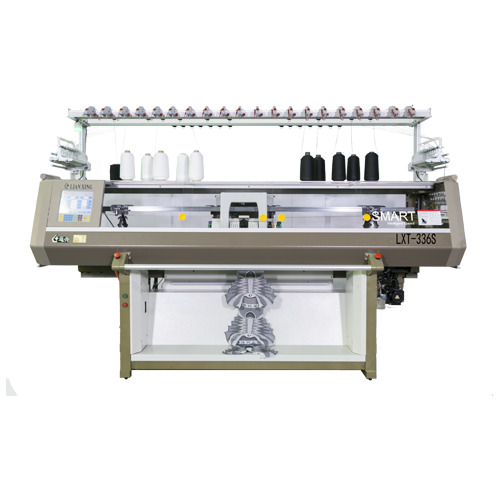
Flat Bed Knitting Machine Buying Guide: Key Specifications
Learn which specifications to check before buying a flat bed knitting machine, including gauge, systems, working width, automation, software, production needs, support, and spare parts.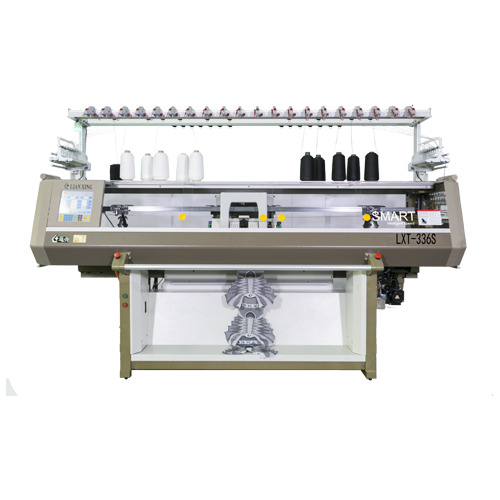
September 16, 2026
Common Flat Bed Knitting Machine Operating Mistakes
Learn about common flat bed knitting machine operating mistakes, including incorrect yarn tension, poor cleaning, wrong settings, ignored alarms, and delayed maintenance.
September 16, 2026