
Blog
Flat Bed Knitting Machine Fabric Defects: Causes & Solutions
By Ramana Machines · September 16, 2026
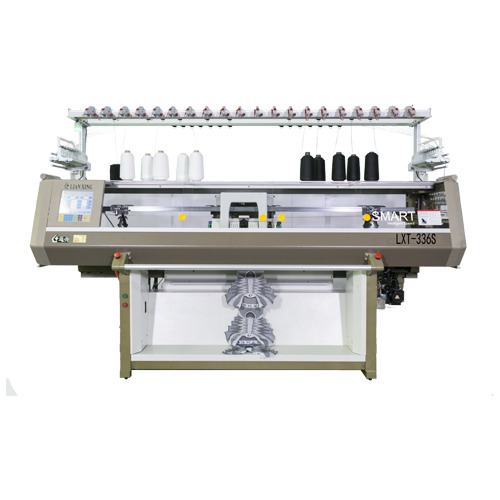
Understand common flat knitting fabric defects such as holes, uneven stitches, loose and tight stitches, pattern errors, and quality problems with practical solutions.
Flat Bed Knitting Machine Fabric Defects: Causes & Solutions
Fabric defects can reduce the appearance, strength, and usability of knitted products. Problems such as holes, uneven stitches, loose areas, tight sections, and pattern errors may appear during production for different reasons.
The important step is to identify the defect correctly before changing machine settings. A defect may be related to yarn, needles, tension, stitch settings, carriage movement, or machine condition.
Holes in the Fabric
Unexpected holes are one of the most noticeable knitting defects. They can occur when a needle fails to form a stitch correctly or when yarn breaks during knitting.
Possible causes include:
- Damaged or missing needles
- Yarn breakage
- Incorrect yarn feeding
- Needle movement problems
- Foreign material in the needle bed
- Incorrect machine settings
Check the needle area around the location of the hole. If the defect appears repeatedly in the same position, inspect the corresponding needle and needle bed carefully.
Uneven Stitches
Uneven stitches can make the fabric surface look inconsistent. Some areas may appear different in size, density, or texture.
Common causes include:
- Uneven yarn tension
- Inconsistent yarn feeding
- Worn needles
- Incorrect stitch settings
- Dirt around the needle bed
- Carriage-related problems
Start by checking yarn feeding and tension. Then inspect the needles if the problem continues.
Loose Stitches
Loose stitches create areas where the fabric appears more open than required. They can affect fabric strength and overall appearance.
Possible reasons include:
- Stitch length set too high
- Low or unstable yarn tension
- Incorrect yarn feeding
- Needle problems
- Unsuitable yarn for the selected setting
Make small adjustments and knit a sample after each change. Avoid changing several settings at the same time because this makes troubleshooting more difficult.
Tight Stitches
Tight stitches produce a denser section of fabric and can make the fabric feel harder or less flexible.
Possible causes include:
- Stitch length set too low
- Excessive yarn tension
Uneven yarn feeding
- Needle or carriage problems
- Incorrect machine settings
Compare the defective section with a correctly knitted sample. This can help determine whether the problem is related to settings or a mechanical issue.
Pattern Defects
Pattern defects may appear as missing stitches, incorrect shapes, unwanted lines, or sections that do not match the intended design.
On a computerized flat bed knitting machine, programming, pattern data, machine settings, and needle selection can all affect the final result.
Before changing the program, check whether the defect is caused by yarn feeding, needle movement, or a mechanical problem. If the same pattern error appears consistently, review the pattern instructions and machine settings.
Fabric Quality Problems
Not every fabric problem comes from one setting. Overall fabric quality can be affected by several factors working together.
Check:
- Yarn quality
- Yarn tension
- Stitch density
- Stitch length
- Needle condition
- Machine cleanliness
- Carriage movement
- Pattern settings
Keeping production records can be helpful. Record the yarn type, machine settings, fabric specification, and any adjustments made during production. This creates a useful reference when the same fabric is produced again.
How to Reduce Fabric Defects
A few simple practices can help prevent recurring problems:
- Inspect needles before production.
- Check yarn quality and feeding.
- Confirm stitch settings before starting.
- Keep the needle bed clean.
- Monitor the first knitted sample carefully.
- Avoid unnecessary setting changes during production.
- Record successful machine settings for future orders.
- Investigate repeated defects instead of correcting only the visible area.
When Technical Support Is Required
If defects continue after checking yarn, needles, feeding, and machine settings, there may be a mechanical or control-related issue that requires professional inspection.
A reliable textile machinery supplier can assist with machine-related guidance, technical support, replacement components, and troubleshooting based on the equipment being used.
Support from Ramana Machines
Ramana Machines supports textile businesses with machine selection, sourcing, installation assistance, operator training, spare parts, and after-sales technical support. If you are dealing with recurring fabric defects or need assistance with knitting machinery, Ramana Machines can help identify suitable equipment and support based on your production requirements.
Related
More insights
September 16, 2026
Flat Bed Knitting Machine Buying Guide: Key Specifications
Learn which specifications to check before buying a flat bed knitting machine, including gauge, systems, working width, automation, software, production needs, support, and spare parts.
September 16, 2026
Common Flat Bed Knitting Machine Operating Mistakes
Learn about common flat bed knitting machine operating mistakes, including incorrect yarn tension, poor cleaning, wrong settings, ignored alarms, and delayed maintenance.
September 16, 2026