
Blog
Flat Bed Knitting Machine Maintenance Guide
By Ramana Machines · September 16, 2026
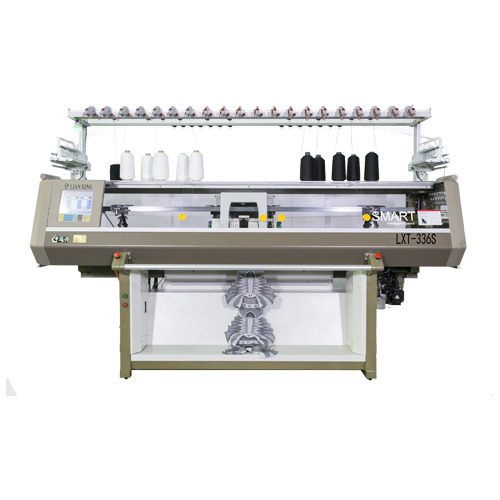
Follow a practical flat knitting machine maintenance routine covering daily cleaning, needle inspection, lubrication, weekly checks, and periodic servicing.
Flat Bed Knitting Machine Maintenance Guide: Daily, Weekly & Periodic Maintenance
Regular maintenance helps keep a knitting machine running smoothly and can reduce unexpected stoppages, fabric defects, and component wear. A good maintenance routine does not always require complicated work. Simple cleaning, inspection, lubrication, and timely servicing can make a significant difference to machine performance.
The exact maintenance procedure may vary depending on the machine model, so operators should always follow the equipment manufacturer's instructions.
Daily Cleaning
Cleaning should be part of the normal operating routine. During knitting, yarn fibers, lint, and dust can collect around the needle bed, carriage, yarn-feeding area, and other accessible parts.
At the end of the working day:
- Remove loose yarn and lint from accessible areas.
- Clean around the needle bed carefully.
- Check the carriage area for accumulated debris.
- Clean yarn guides and feeding areas where required.
- Keep the machine surroundings free from waste and dust.
Use suitable cleaning tools and avoid methods that could push dust deeper into the machine.
Needle Inspection
Needles directly affect stitch formation, so they should be inspected regularly.
Look for:
- Bent or damaged needles
- Needles that do not move smoothly
- Worn needle surfaces
- Broken needle parts
- Unusual resistance during carriage movement
If one needle is repeatedly causing problems, do not simply replace it without checking the surrounding needle bed and machine operation. The underlying cause may be related to alignment, carriage movement, yarn feeding, or another component.
Lubrication
Correct lubrication helps reduce friction between moving components and supports smooth machine operation. However, more lubricant does not necessarily mean better lubrication.
Follow the machine's recommended lubrication points, lubricant type, and maintenance intervals. Before applying lubricant, clean the relevant area as required.
Avoid applying lubricant to areas where it could contaminate the yarn or fabric.
If the machine has an automatic lubrication system, check that it is functioning correctly and that the required lubricant level is maintained.
Weekly Maintenance Checks
A weekly inspection can identify small problems before they become production issues.
Check:
- Needle bed condition
- Needles and needle movement
- Carriage movement
- Yarn feeders and guides
- Visible screws, fittings, and connections
- Lubrication points
- Electrical cables and accessible connections
- Control panel or system warnings
Run the machine carefully after inspection and listen for unusual sounds. Changes in noise or movement can sometimes indicate developing mechanical problems.
Periodic Servicing
Periodic servicing should be carried out according to the machine manufacturer's recommended schedule and the amount of machine usage.
Depending on the equipment, servicing may include:
- Detailed cleaning
- Inspection of moving components
- Checking lubrication systems
- Inspection of carriage components
- Checking electrical and control systems
- Inspection of sensors and related components
- Replacement of worn parts
- Testing machine operation
Machines used for long production hours may require more frequent inspection than equipment used occasionally.
Keep a Maintenance Record
A simple maintenance record can make machine care easier. Record the date of cleaning, lubrication, inspections, part replacements, and any unusual problems noticed during operation.
This information can help operators identify recurring issues and plan servicing before a minor problem causes extended downtime.
Maintenance Mistakes to Avoid
Some common maintenance mistakes can create additional problems:
- Ignoring small changes in machine performance
- Using the wrong lubricant
- Applying excessive lubricant
- Cleaning without following machine instructions
- Continuing to operate with damaged needles
- Delaying replacement of worn components
- Attempting complex electrical or mechanical repairs without proper knowledge
Maintenance should always be performed safely, with the machine stopped and isolated from power when required by the manufacturer's procedure.
When Professional Support Is Needed
Routine operator maintenance is important, but some servicing tasks require trained technical personnel. Persistent carriage problems, repeated needle breakage, electrical faults, unusual machine noise, or recurring fabric defects should be investigated rather than repeatedly corrected through basic adjustments.
A reliable textile machinery supplier can provide guidance on maintenance requirements, replacement components, servicing, and technical support for the equipment being used.
Maintenance Support from Ramana Machines
Ramana Machines supports textile businesses with machine sourcing, installation assistance, operator training, spare parts, and after-sales technical support. For a computerized flat bed knitting machine, proper maintenance and timely technical assistance can help operators maintain stable production and address machine issues before they become larger problems.
If you need assistance with knitting machinery, replacement parts, or ongoing technical support, Ramana Machines can help based on your production requirements.
Related
More insights
September 16, 2026
Flat Bed Knitting Machine Buying Guide: Key Specifications
Learn which specifications to check before buying a flat bed knitting machine, including gauge, systems, working width, automation, software, production needs, support, and spare parts.
September 16, 2026
Common Flat Bed Knitting Machine Operating Mistakes
Learn about common flat bed knitting machine operating mistakes, including incorrect yarn tension, poor cleaning, wrong settings, ignored alarms, and delayed maintenance.
September 16, 2026