
Blog
Flat Bed Knitting Machine Safety Precautions Every Operator Should Know
By Ramana Machines · September 16, 2026
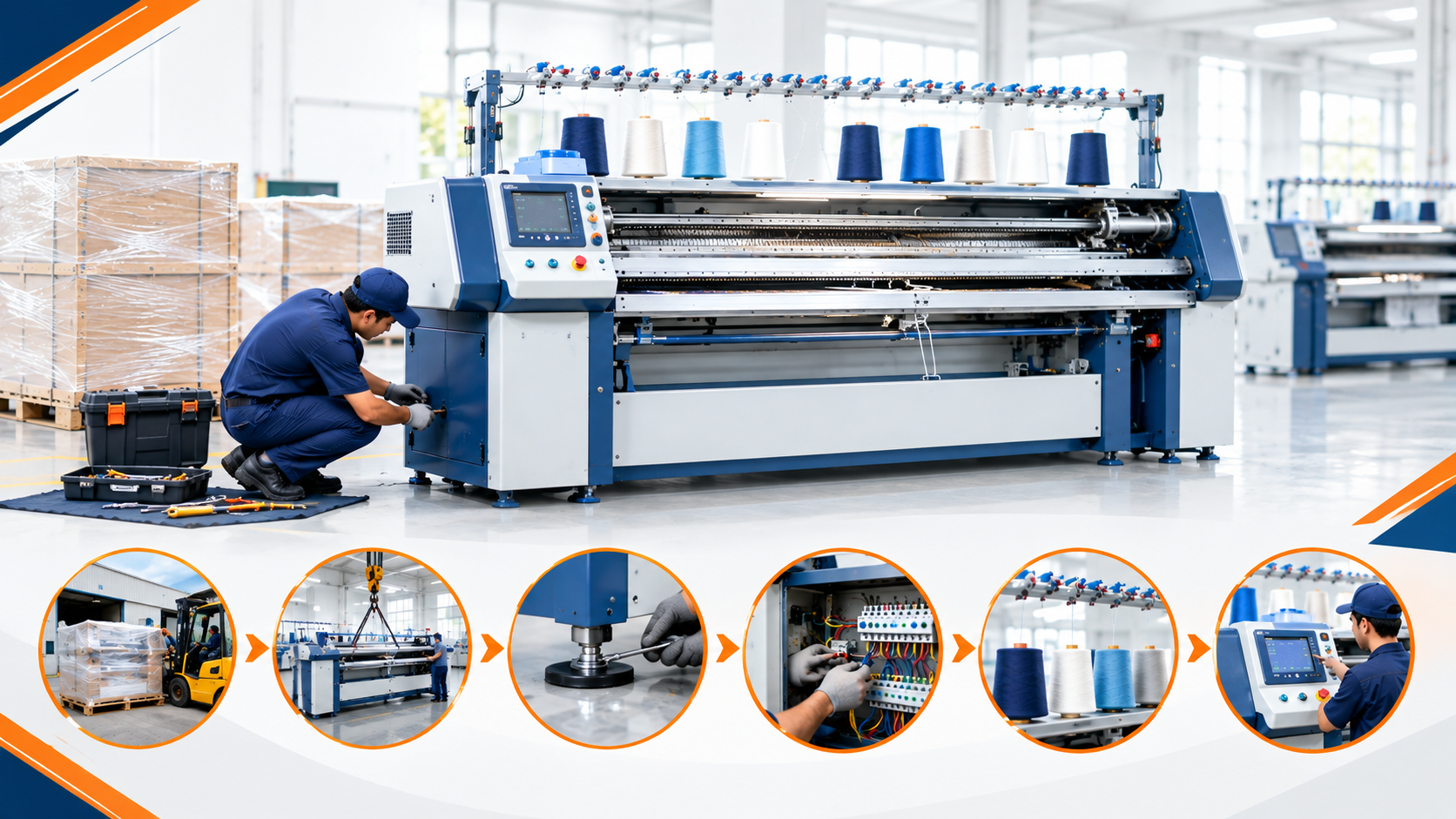
Learn essential flat bed knitting machine safety precautions covering electrical safety, moving parts, needles, emergency stops, operator safety, and workplace practices.
Safety should be a priority when operating any industrial knitting machine. A flat bed knitting machine contains moving mechanical parts, electrical systems, needles, yarn feeding components, and other parts that require careful handling.
Following basic safety practices can help reduce the risk of accidents, equipment damage, and production interruptions. Operators should always follow the machine-specific safety instructions provided with the equipment.
1. Electrical Safety
Electrical connections should be checked before operating the machine. Make sure the power supply matches the machine's required specifications and that proper grounding is available.
Operators should:
- Keep electrical panels closed during operation.
- Never handle electrical components with wet hands.
- Check cables and connections for visible damage.
- Switch off and isolate the power before electrical maintenance.
- Allow qualified technicians to handle electrical repairs.
If an electrical fault, burning smell, or unusual sparking is noticed, stop the machine and report the issue immediately.
2. Stay Clear of Moving Parts
The carriage, take-down system, yarn feeders, and other moving components can create pinch or contact hazards during operation.
Keep hands, clothing, tools, and loose materials away from moving parts while the machine is running.
Operators should never try to manually stop or adjust a moving component. Stop the machine first and wait until all movement has completely stopped before carrying out an adjustment.
3. Handle Needles Carefully
Knitting needles are small and precise components that can be damaged if handled incorrectly. They can also cause injury when an operator reaches into the needle area without first stopping the machine.
Before inspecting, cleaning, or replacing needles:
- Stop the machine.
- Switch off the required power supply.
- Make sure moving components have stopped.
- Follow the machine's maintenance instructions.
- Use suitable tools when required.
Never force a damaged needle or attempt to remove it while the machine is moving.
4. Know the Emergency Stop
Every operator should know where the emergency stop control is located and understand when it should be used.
The emergency stop is intended for situations where immediate stopping of the machine is necessary. Operators should know how to activate it and understand the procedure for checking the machine before restarting.
After an emergency stop, do not immediately resume production. First identify why the machine was stopped and make sure it is safe to restart.
5. Follow Safe Operating Practices
Only trained operators should operate the machine. Before starting work, operators should understand the controls, normal machine movement, basic adjustments, and emergency procedures.
During operation:
- Wear suitable work clothing.
- Keep long hair secured.
- Avoid loose clothing and accessories.
- Keep hands away from moving areas.
- Do not use the machine while distracted.
- Never bypass safety devices.
- Keep tools away from the knitting area.
- Follow the recommended operating procedures.
Operators should also report unusual noise, vibration, yarn breakage, needle damage, or machine errors instead of continuing production with a suspected fault.
6. Maintain a Safe Workplace
The area around the machine should remain clean, dry, and well organized. Yarn, packaging materials, tools, and other objects should not be allowed to accumulate around the machine.
Good workplace practices include:
- Keeping walkways clear
- Providing adequate lighting
- Maintaining suitable ventilation
- Keeping electrical areas accessible
- Cleaning yarn waste regularly
- Storing tools safely
- Keeping emergency access clear
A well-organized work area makes it easier for operators to move safely and respond to machine problems.
7. Follow Machine-Specific Instructions
Different knitting machines can have different controls, safety systems, and operating procedures. This is especially important when working with equipment such as a China Computer Flat Knitting Machine, where electronic controls and programmed functions may require specific operating procedures.
Operators should read the machine manual and receive proper training before starting regular production. Safety instructions should also be available to operators and maintenance personnel.
Daily Safety Checklist
Before starting the machine, check:
Safety Check | Completed |
| Electrical connections inspected | ☐ |
| Emergency stop accessible | ☐ |
| Safety guards checked | ☐ |
| Needle area inspected | ☐ |
| Moving parts clear | ☐ |
| Yarn area organized | ☐ |
| Floor and walkways clear | ☐ |
| No loose clothing or accessories | ☐ |
| Machine controls working normally | ☐ |
| Operator understands emergency procedures | ☐ |
What Should You Do if a Problem Occurs?
If the machine behaves unusually, stop the operation and investigate the issue according to the machine's instructions. Do not remove guards, bypass safety systems, or attempt repairs beyond your training.
For electrical, mechanical, or control-system problems that require technical knowledge, contact a qualified technician or the equipment support team.
A reliable textile machinery supplier should also be able to provide guidance on installation, operator training, maintenance, spare parts, and technical support.
Safe Operation Starts with Proper Training
Machine safety is not limited to wearing protective equipment. It also depends on proper installation, operator training, regular inspection, correct machine settings, and timely maintenance.
Every operator should understand the machine before working independently and should follow the manufacturer's operating and safety instructions throughout the production process.
Safety and Technical Support from Ramana Machines
Ramana Machines supports textile businesses with machinery sourcing and supply, installation assistance, operator training, spare parts, and after-sales technical support. For businesses setting up flat knitting equipment, our team can assist with suitable machine selection and provide support throughout installation and machine operation.
Related
More insights
September 16, 2026
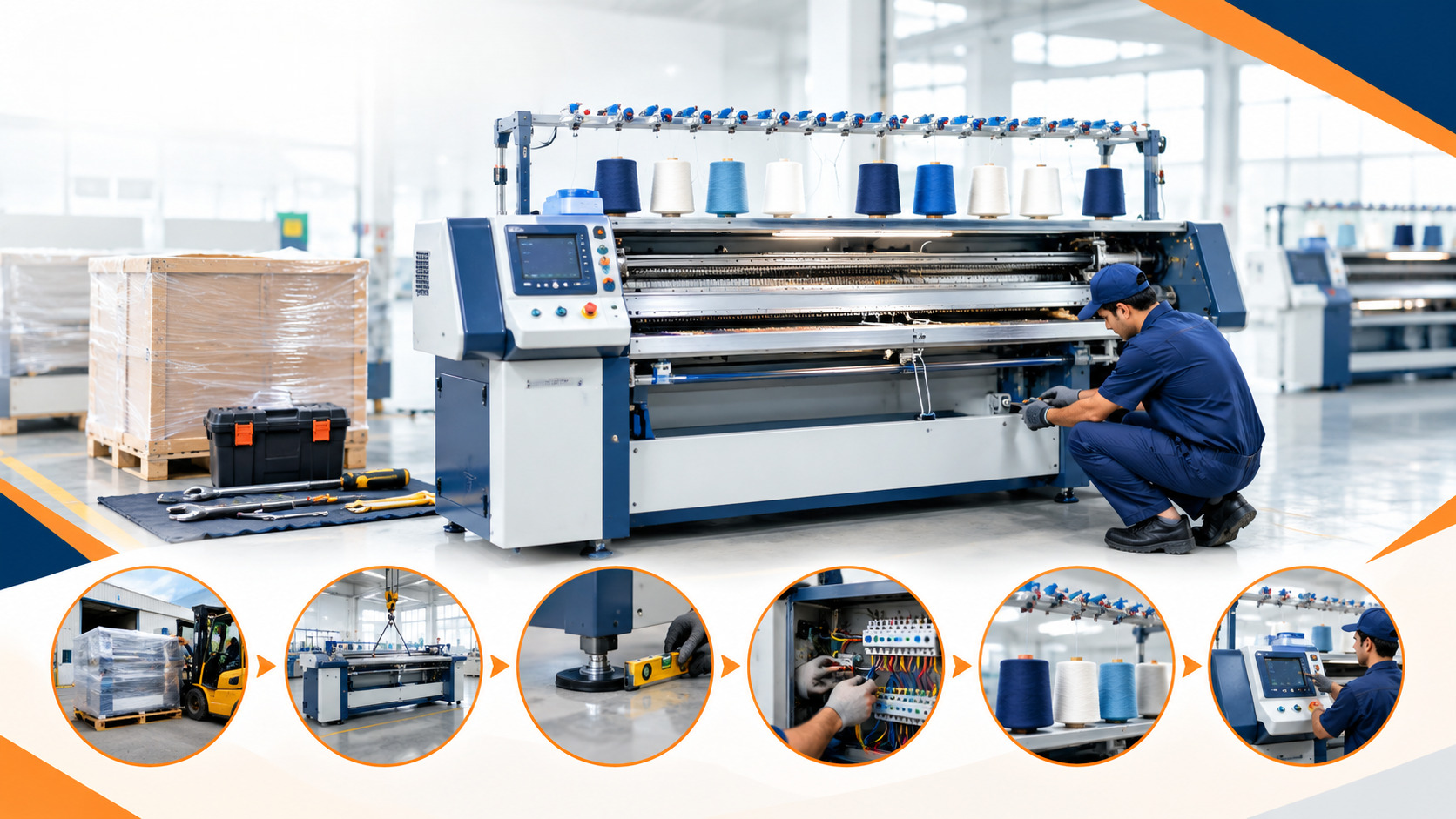
How to Set Yarn Tension on a Flat Bed Knitting Machine
Learn how to set yarn tension on a flat bed knitting machine, identify tension problems, adjust yarn feeding, and maintain consistent stitch quality during production.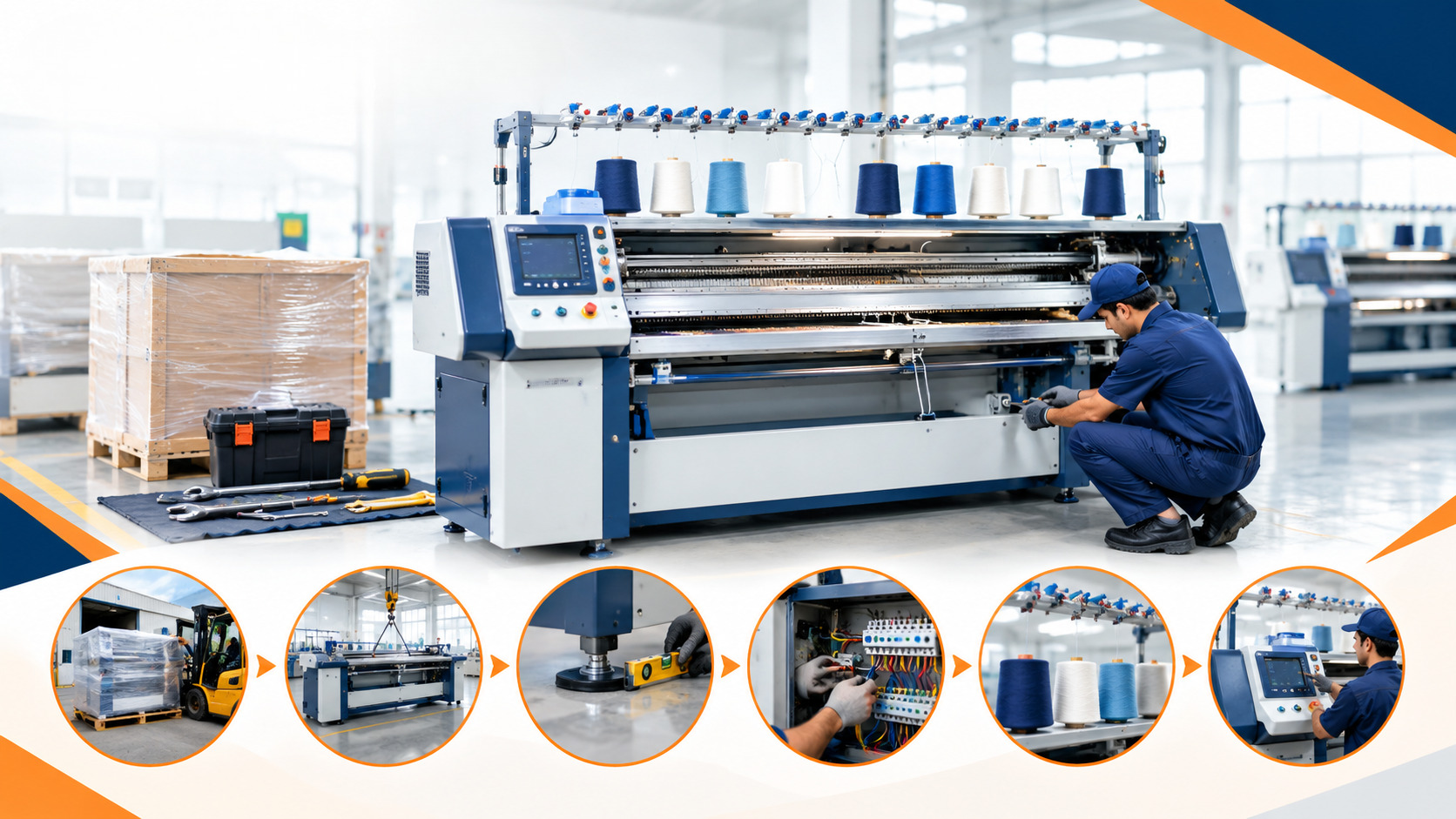
September 16, 2026
How to Operate a Flat Bed Knitting Machine: Beginner's Guide
Learn how to operate a flat bed knitting machine with this beginner's guide covering yarn preparation, threading, machine and stitch settings, production, and output monitoring.
September 16, 2026