
Blog
Flat Bed Knitting Machine Spare Parts Guide
By Ramana Machines · September 16, 2026
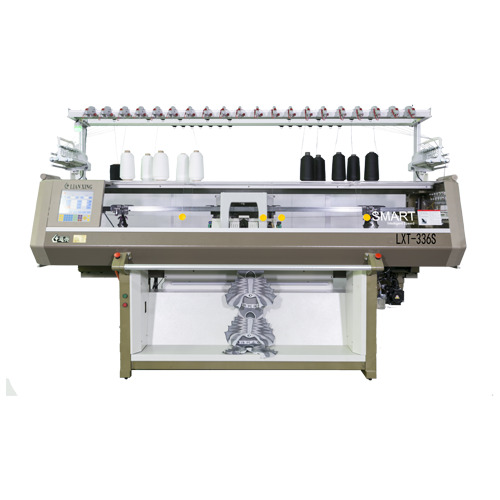
Understand the key spare parts used in flat knitting machines, including needles, feeders, cam components, sensors, electronic parts, and replacement considerations.
Flat Bed Knitting Machine Spare Parts: What You Need to Know
Spare parts play an important role in keeping knitting equipment running smoothly. Even with regular cleaning and maintenance, components can wear out over time and may eventually need inspection or replacement.
Using the correct replacement part is important because a component that looks similar may not have the same dimensions, material, or operating characteristics. Before ordering any part, check the machine model, component specification, and available part number.
Needles
Needles are among the most frequently inspected and replaced components. They directly take part in stitch formation, so their condition has a strong effect on fabric quality.
Needles can become bent, worn, damaged, or difficult to move. Continuing to use a damaged needle may result in:
- Uneven stitches
- Holes in fabric
- Needle breakage
- Pattern problems
- Additional stress on other components
Keep replacement needles available for commonly used machines and replace damaged needles according to the machine's recommended procedure.
Feeders
The yarn feeder guides yarn into the knitting area. Its condition can affect yarn movement and stitch formation.
A damaged, worn, or incorrectly positioned feeder may contribute to:
- Yarn breakage
- Uneven yarn feeding
- Irregular stitches
- Inconsistent fabric appearance
When replacing a feeder, confirm that the new component matches the machine model and the required yarn-feeding arrangement.
Cam Components
Cam components control important needle movements as the carriage travels across the needle bed. Wear or damage in these components can affect knitting performance.
Possible warning signs include unusual carriage movement, inconsistent stitch formation, or repeated problems in particular knitting operations.
Cam components should be inspected according to the machine's maintenance procedure. If excessive wear is found, replacement should be carried out using the correct specification.
Sensors
Sensors help monitor different machine functions and can be important for safe and accurate operation.
A sensor problem may appear as:
- Unexpected machine stops
- Incorrect machine signals
- Error messages
- Inconsistent operation
- Failure to detect a required position or condition
Before replacing a sensor, check its connection, position, cleanliness, and surrounding components. A sensor fault may sometimes be caused by wiring or positioning rather than the sensor itself.
Electronic Parts
Modern knitting equipment can contain various electronic components, such as control boards, displays, switches, drives, and other control-system parts.
Electronic problems should be approached carefully. Before replacing an electronic component, check the machine's error information and follow the manufacturer's troubleshooting procedure.
Electrical repairs should be handled by qualified personnel when required. Do not replace electronic parts simply because they appear similar. Compatibility with the machine's control system is essential.
Genuine or Recommended Replacement Parts?
When replacing a component, the main priority should be compatibility, quality, and suitability for the machine.
Before purchasing a replacement, check:
- Machine model
- Part number
- Component specifications
- Manufacturer recommendations
- Compatibility with the existing system
- Supplier reliability
A low-cost part is not necessarily a suitable part if it does not match the machine correctly. The wrong component can lead to additional wear, production problems, or repeated replacement.
Keep Important Spare Parts Available
For production environments, keeping frequently used parts in stock can reduce downtime. Needles, feeders, and other commonly replaced components may be worth keeping as operational spares.
The right stock level depends on machine usage, production hours, availability of parts, and how quickly replacements can be sourced.
Maintain a simple spare-parts record showing the part number, quantity available, date of replacement, and machine where the component is used.
When Should You Replace a Part?
A component should be inspected when you notice repeated faults, unusual machine sounds, changes in fabric quality, or increased machine resistance.
Do not wait for a component to fail completely if inspection shows significant wear. Planned replacement can help avoid unexpected production interruptions.
A reliable textile machinery spare parts supplier can assist with identifying suitable replacement components and sourcing parts according to the machine specification.
Getting the Right Spare Parts
If you are unsure which component is required, provide the machine model, part number, photographs where useful, and a description of the problem. This information can make it easier to identify the correct replacement.
An experienced flat knitting machine distributor may also be able to guide you on compatible components, machine requirements, and technical support.
Spare Parts Support from Ramana Machines
Ramana Machines supports textile businesses with machine sourcing, spare parts, installation assistance, operator training, and after-sales technical support. We can help businesses identify suitable replacement components and support their ongoing knitting machinery requirements based on machine specifications and production needs.
Related
More insights
September 16, 2026
Flat Bed Knitting Machine Buying Guide: Key Specifications
Learn which specifications to check before buying a flat bed knitting machine, including gauge, systems, working width, automation, software, production needs, support, and spare parts.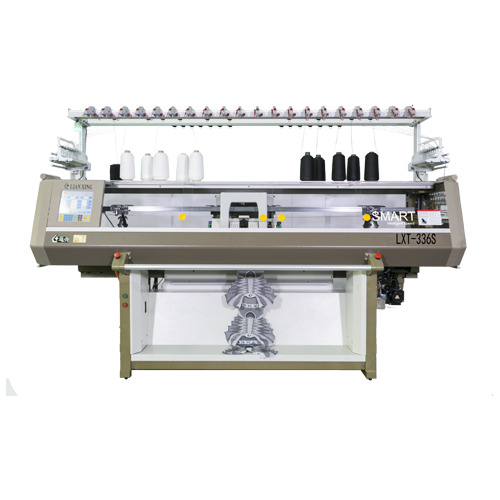
September 16, 2026
Common Flat Bed Knitting Machine Operating Mistakes
Learn about common flat bed knitting machine operating mistakes, including incorrect yarn tension, poor cleaning, wrong settings, ignored alarms, and delayed maintenance.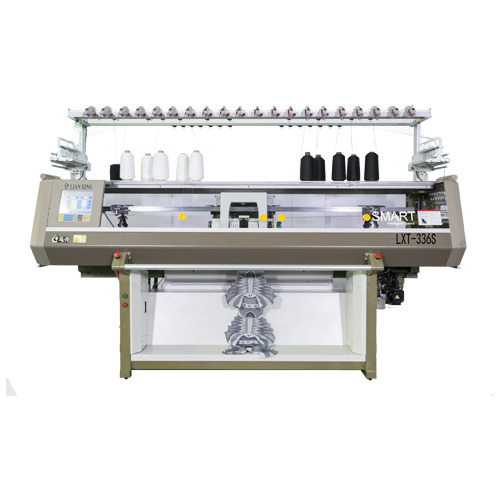
September 16, 2026