
Blog
Flat Bed Knitting Machine Stitch Settings Guide
By Ramana Machines · September 16, 2026
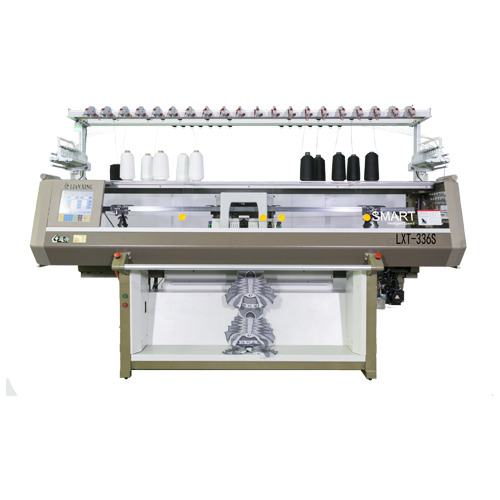
Learn how stitch density and stitch length affect knitted fabric quality. This practical guide explains stitch adjustments, fabric appearance, and common setting mistakes.
Flat Bed Knitting Machine Stitch Settings: A Practical Guide
Stitch settings have a direct effect on the look, feel, and quality of knitted fabric. The right settings help produce even stitches, consistent fabric density, and a smooth surface. Understanding stitch density, stitch length, and adjustment methods is important for operators working with different yarns and fabric designs.
Understanding Stitch Density
Stitch density refers to how closely the stitches are formed within a specific area of fabric. It affects the thickness, weight, stretch, and overall appearance of the knitted material.
A higher stitch density generally creates a tighter fabric, while a lower density produces a more open structure. The required setting depends on the yarn, fabric type, design, and intended application.
Before starting production, it is useful to make a small sample and check whether the fabric has the required structure and feel.
Stitch Length and Its Effect
Stitch length controls the amount of yarn used to form each stitch. It is one of the important settings for controlling fabric structure.
- Shorter stitch length: Usually creates tighter and denser fabric.
- Longer stitch length: Usually creates a looser and more open fabric.
- Uneven stitch length: Can result in inconsistent fabric appearance.
The correct setting depends on the yarn and the fabric specification. Avoid changing the setting too much at once because a small adjustment can affect the final fabric.
How Stitch Settings Affect Fabric Appearance
Incorrect stitch settings can lead to several visible problems, including:
- Uneven fabric surface
- Differences in fabric thickness
- Loose or tight areas
- Poor stitch definition
- Unwanted fabric stretch
- Irregular pattern appearance
If the fabric does not look consistent, check the stitch settings along with yarn tension, needle condition, and yarn feeding.
How to Adjust Stitch Settings
Stitch adjustments should be made gradually and checked through sample knitting.
1. Check the Fabric Requirement
Understand the required fabric thickness, appearance, stretch, and structure before changing the machine settings.
2. Check the Yarn
Different yarn types and yarn sizes can require different settings. Make sure the yarn is suitable for the intended fabric.
3. Make a Small Adjustment
Change the stitch setting in small steps rather than making a large adjustment immediately.
4. Knit a Test Sample
Run a short sample after each adjustment. Examine the fabric before continuing with full production.
5. Compare the Results
Check stitch uniformity, fabric weight, surface appearance, and stretch against the required specification.
Common Stitch Setting Mistakes
Some common mistakes can affect fabric quality:
Changing settings too quickly: Large adjustments can make it difficult to identify what caused a fabric problem.
Ignoring yarn characteristics: The same setting may not work equally well with every yarn.
Skipping sample testing: Starting full production without testing can result in material waste.
Not checking machine condition: Worn needles, feeding problems, or other machine issues can appear as stitch-setting problems.
Changing several settings at once: Adjusting multiple parameters together makes troubleshooting more difficult.
Practical Tips for Consistent Stitch Quality
Keep a record of successful settings for different yarns and fabric types. Check the first sample carefully before beginning larger production runs. Operators should also monitor the machine during production because yarn changes, environmental conditions, or machine wear can affect fabric quality.
Regular inspection and timely replacement of worn components can also help maintain stable knitting performance. A reliable textile machinery supplier can also provide guidance when machine settings or replacement components require technical attention.
When to Seek Technical Support
If repeated adjustments do not solve problems such as uneven stitches, inconsistent fabric density, or abnormal knitting behavior, the issue may not be limited to stitch settings. Needle condition, yarn feeding, carriage components, and other machine parts should also be checked.
For computerized equipment, always follow the machine manufacturer's operating instructions before changing advanced settings.
Get Support from Ramana Machines
Ramana Machines supports textile businesses with machine selection, sourcing, installation assistance, operator training, spare parts, and after-sales technical support. If you need assistance with knitting machine requirements, setup, or ongoing technical support, Ramana Machines can help identify suitable solutions based on your production needs.
Related
More insights
September 16, 2026
Flat Bed Knitting Machine Buying Guide: Key Specifications
Learn which specifications to check before buying a flat bed knitting machine, including gauge, systems, working width, automation, software, production needs, support, and spare parts.
September 16, 2026
Common Flat Bed Knitting Machine Operating Mistakes
Learn about common flat bed knitting machine operating mistakes, including incorrect yarn tension, poor cleaning, wrong settings, ignored alarms, and delayed maintenance.
September 16, 2026