
Blog
Flat Bed Knitting Machine Technical Support Guide
By Ramana Machines · September 16, 2026
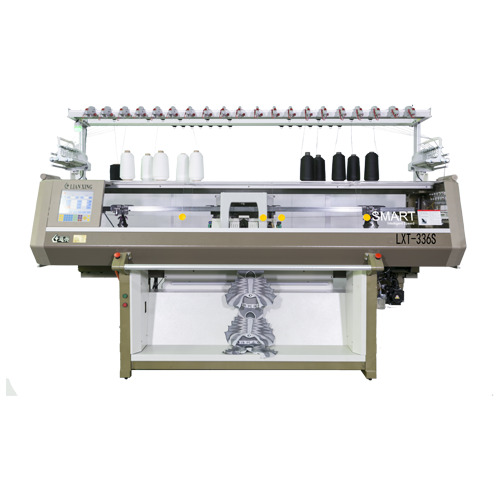
Learn when professional technical support is needed for flat knitting machines, covering mechanical and electrical problems, programming, repeated errors, installation, spare parts, and remote or on-site assistance.
Flat Bed Knitting Machine Technical Support: When Do You Need Professional Help?
Regular cleaning and basic operator checks can prevent many knitting problems, but not every issue can be solved through simple adjustments. Mechanical faults, electrical errors, programming problems, and repeated machine failures may require professional technical support.
Getting help at the right time can reduce unnecessary downtime and prevent a small problem from becoming a larger repair.
Mechanical Problems
Mechanical issues can affect carriage movement, needle operation, yarn feeding, and stitch formation.
Signs that professional inspection may be required include:
- Carriage movement becomes difficult
- Unusual sounds or vibration
- Repeated needle breakage
- Yarn feeder problems
- Components showing excessive wear
- Fabric defects that continue after normal adjustments
Operators should avoid forcing moving components or dismantling important mechanical parts without proper knowledge. A technician can inspect the affected area and determine whether adjustment, cleaning, or component replacement is required.
Electrical Problems
Electrical issues should be treated carefully because incorrect repairs can create safety risks and further damage the machine.
Examples include:
- Machine not receiving power
- Unexpected shutdowns
- Control panel errors
- Repeated electrical alarms
- Sensor-related faults
- Damaged cables or connections
Before calling for technical assistance, an operator can check the main power supply and emergency-stop condition if this can be done safely. Internal electrical repairs should be handled by qualified personnel.
Programming Issues
Modern knitting machines rely on electronic controls and programmed instructions for many operations. Problems with patterns, settings, or machine programs may result in incorrect knitting or unexpected machine behavior.
Programming-related issues can include:
- Pattern not knitting as expected
- Incorrect stitch sequence
- Program errors
- Settings not being saved correctly
- Unexpected machine responses
Do not change advanced parameters without understanding their function. Keep a backup of working programs and settings where the machine system supports it.
Repeated Errors
A recurring error should not simply be cleared every time it appears.
If the same alarm or fault continues, record:
- Error message or code
- When the error occurs
- Machine operating condition
- Yarn and fabric being used
- Recent changes or maintenance work
This information can help a technician identify the underlying cause more efficiently.
Repeated faults may indicate a worn component, sensor issue, electrical problem, incorrect setting, or another condition that requires closer inspection.
Installation Support
Proper installation is important for reliable machine operation. Positioning, leveling, electrical connections, yarn setup, and initial testing should be completed according to the equipment requirements.
Professional installation support can be particularly useful when setting up new equipment or moving machinery to another production location.
After installation, the machine should be tested before regular production begins. Operators should also receive appropriate training on normal operation, basic maintenance, and safety procedures.
Spare Parts Support
Some technical problems require replacement components rather than adjustments. Needles, feeders, sensors, carriage components, electronic parts, and other machine-specific components may need to be replaced when damaged or worn.
Before ordering a part, confirm the machine model, part number, and component specification. A textile machinery spare parts supplier can help identify and source suitable replacement components.
Using the correct part can help prevent compatibility problems and unnecessary downtime.
On-Site and Remote Support
Technical assistance can be provided in different ways depending on the problem.
Remote Support
Remote support can be useful for:
- Basic troubleshooting
- Machine-setting guidance
- Error-code discussions
- Operating questions
- Software or programming guidance
Photos, videos, error messages, and machine details can help explain the problem clearly.
On-Site Support
Some problems are better handled at the machine location. On-site assistance may be appropriate for:
- Installation
- Commissioning
- Complex mechanical problems
- Electrical inspection
- Major adjustments
- Operator training
The appropriate support method depends on the machine, fault, and level of technical work required.
When Should You Contact a Professional?
Professional help should be considered when:
- The same problem keeps returning
- A machine component is visibly damaged
- Electrical faults occur
- The carriage does not move normally
- Error messages cannot be resolved through the operating procedure
- Fabric quality remains inconsistent despite normal adjustments
- Installation or commissioning assistance is required
For businesses using a computerized flat bed knitting machine distributor, having access to reliable technical assistance can make machine operation, troubleshooting, and ongoing maintenance easier.
Technical Support from Ramana Machines
Ramana Machines supports textile businesses with machine sourcing, installation assistance, operator training, spare parts, and after-sales technical support. We can assist with machine-related requirements, troubleshooting coordination, replacement components, and technical guidance based on your equipment and production needs.
Related
More insights
September 16, 2026
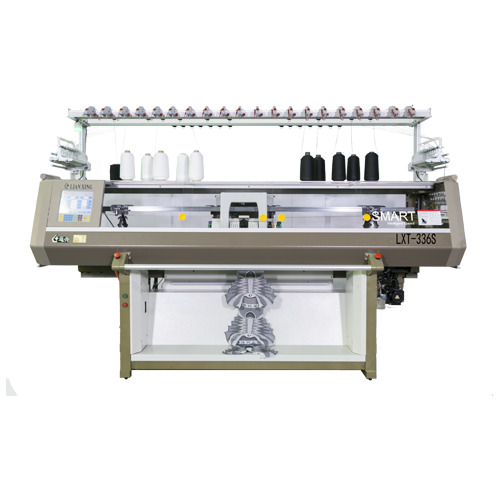
Flat Bed Knitting Machine Buying Guide: Key Specifications
Learn which specifications to check before buying a flat bed knitting machine, including gauge, systems, working width, automation, software, production needs, support, and spare parts.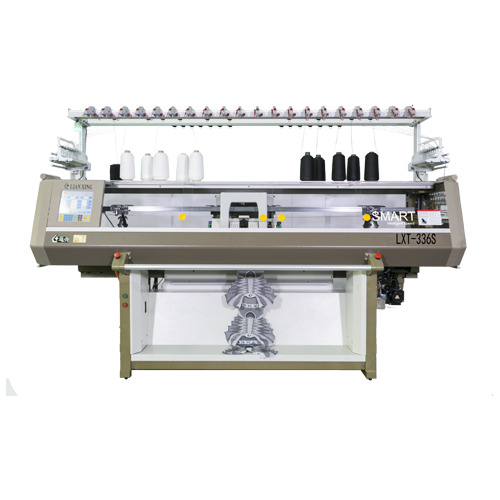
September 16, 2026
Common Flat Bed Knitting Machine Operating Mistakes
Learn about common flat bed knitting machine operating mistakes, including incorrect yarn tension, poor cleaning, wrong settings, ignored alarms, and delayed maintenance.
September 16, 2026