Blog
How to Choose the Right Flat Knitting Machine for Your Production
By Ramana Machines · September 14, 2026
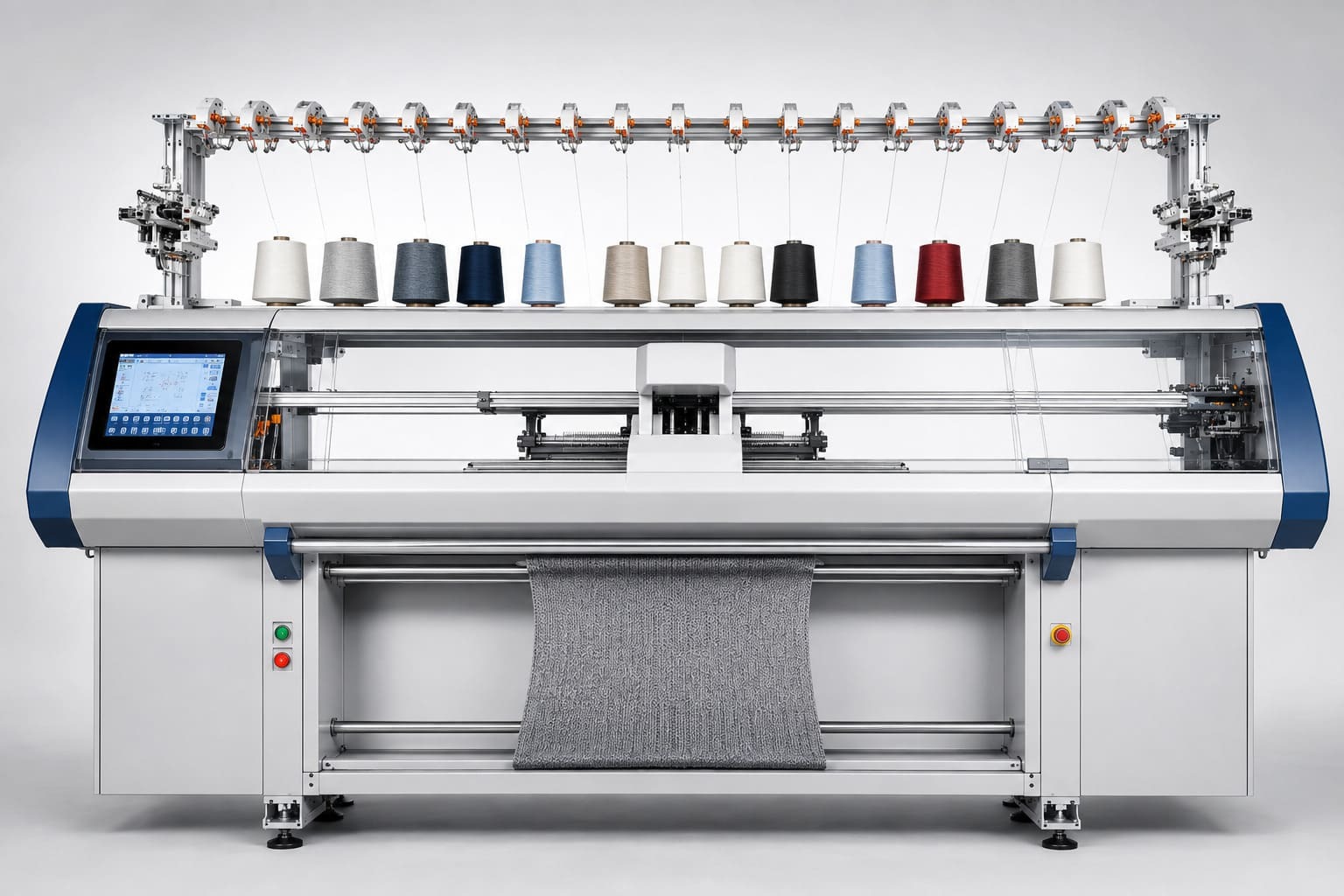
Learn how to choose the right flat bed knitting machine by comparing gauge, production needs, yarn compatibility, specifications, automation, budget, and technical support.
Choosing the right knitting machine is an important decision for any textile production setup. The machine should match your products, yarn, production volume, and required fabric quality. Selecting a machine only based on price can lead to higher operating costs or limitations later.
This guide explains the main factors to consider before purchasing a flat knitting machine.
1. Consider the Machine Gauge
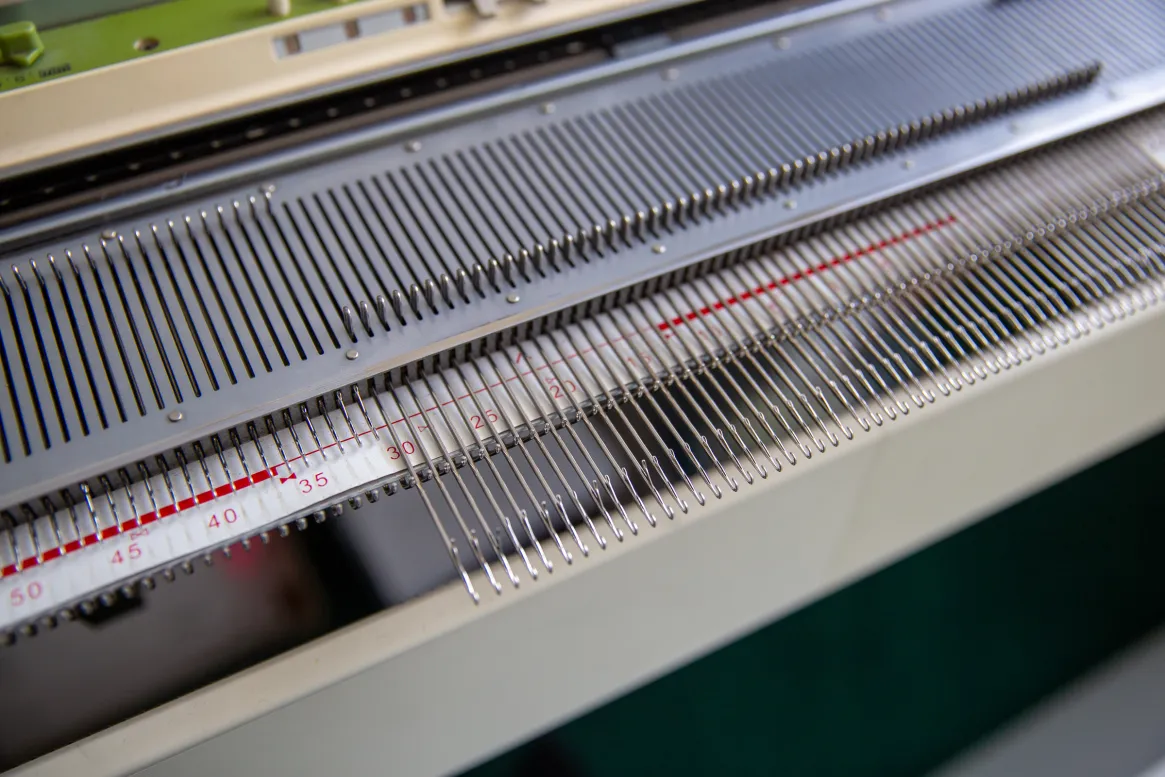
Gauge refers to the number of needles arranged within a specific width of the needle bed. It affects the type of fabric and yarn the machine can handle.
A finer gauge is generally suitable for lighter and more detailed knitted structures, while a coarser gauge can be suitable for thicker yarns and heavier fabrics.
Before choosing a gauge, consider:
- Yarn thickness
- Required fabric structure
- Product type
- Desired fabric appearance
- Production requirements
The gauge should be selected according to the products you plan to make rather than choosing a particular gauge simply because it is commonly used.
2. Understand Your Production Requirements
Your expected production volume should influence the machine you select. A machine suitable for small-batch production may not be the best option for continuous industrial production.
Consider:
- Daily or monthly production targets
- Product variety
- Required knitting width
- Number of shifts
- Expected future production
- Required production speed
If your product range changes frequently, flexibility may be more important than maximum production speed.
3. Check Yarn Compatibility
Different yarns can behave differently during knitting. Yarn type, thickness, elasticity, and quality can affect machine performance and fabric appearance.
Before selecting a machine, check whether it is suitable for the yarns you plan to use. It is also important to consider yarn feeding and tension requirements.
If you work with multiple yarn types, choose a machine configuration that provides enough flexibility for your production needs.
4. Review Machine Specifications
Do not compare machines based on one specification alone. Look at the complete machine configuration.
Important specifications may include:
- Knitting width
- Machine gauge
- Number of needles
- Carriage configuration
- Yarn feeding system
- Stitch range
- Pattern capabilities
- Knitting speed
- Power requirements
- Machine dimensions
The right specifications depend on the products and fabric structures you need to produce.
5. Decide the Level of Automation
Automation can make production easier and improve consistency when the machine is correctly configured and operated.
A computerized flat bed knitting machine can provide programmed control over functions such as needle selection, patterns, and stitch settings.
When considering automation, think about your production volume, product complexity, operator skills, and the level of control you actually need. More automation is not automatically better for every production setup.
6. Set a Realistic Budget
The purchase price is only one part of the total cost of owning a knitting machine.
Your budget should also account for:
- Installation
- Transportation
- Operator training
- Electricity consumption
- Routine maintenance
- Spare parts
- Technical support
- Future upgrades or accessories
A machine with a lower initial price may not always be the most economical choice if it does not meet your production requirements.
7. Check Technical Support and Spare Parts
Technical support is especially important when installing a new machine or introducing a different machine configuration.
Before purchasing, ask about:
- Installation assistance
- Operator training
- Troubleshooting support
- Spare parts availability
- Maintenance guidance
- Response time for technical issues
Working with an experienced textile machinery supplier can make the process easier because you can discuss your production requirements and get guidance on suitable machine options and support services.
A Simple Checklist Before Buying
Before making your final decision, ask yourself:
- What products will I produce?
- What yarns will I use?
- What gauge is suitable for those products?
- How much production capacity do I need?
- Do I need basic or advanced automation?
- What machine width and specifications are required?
- What is my total operating budget?
- Is installation and training available?
- Are spare parts and technical support accessible?
- Can the machine support my future production plans?
Choosing the Right Machine for Your Production
The right machine should match your product type, yarn, required gauge, production volume, fabric structure, automation level, and available budget. It is also important to consider installation, operator training, spare parts, maintenance, and technical support before making a final decision. Taking these factors together can help you choose a machine that is suitable for your current requirements and future production plans.
Ramana Machines helps textile businesses source suitable knitting machinery based on their production requirements. We provide support for machine selection, China sourcing, import and distribution, installation, operator training, spare parts, and after-sales technical assistance. If you are planning to add or upgrade your knitting equipment, connect with Ramana Machines to discuss your requirements and explore suitable machine options.
Related
More insights
September 14, 2026
Single-Bed vs Double-Bed Flat Knitting Machine: What Is the Difference?
Compare single-bed and double-bed flat knitting machines, including their construction, working, applications, advantages, and key factors to consider when choosing the right machine for your production needs.
September 7, 2026