
Blog
How to Improve Flat Bed Knitting Machine Productivity
By Ramana Machines · September 16, 2026
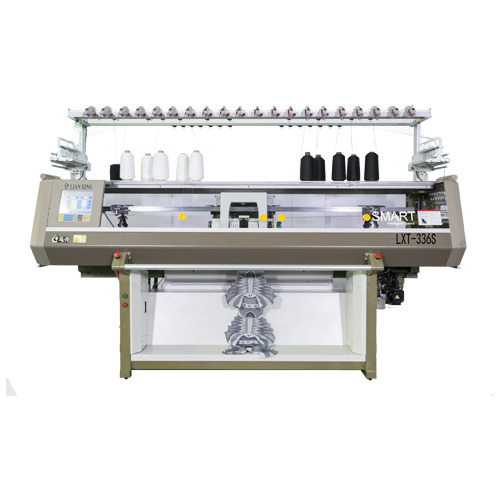
Learn practical ways to improve flat knitting machine productivity by reducing downtime, using correct settings, training operators, maintaining equipment, and managing yarn properly.
How to Improve Flat Bed Knitting Machine Productivity
Productivity is not only about running a knitting machine faster. Stable production, fewer interruptions, consistent fabric quality, and well-trained operators all contribute to better output.
A practical approach is to identify the reasons for lost production time and improve the areas that have the biggest effect on daily operation.
Reduce Downtime
Unplanned downtime can significantly affect production schedules. Small machine problems, yarn breaks, needle issues, and incorrect settings can cause repeated stoppages.
To reduce unnecessary downtime:
- Inspect the machine before starting production.
- Keep commonly required replacement parts available.
- Check yarn feeding before beginning a job.
- Record recurring machine problems.
- Address unusual sounds or carriage movement early.
- Avoid delaying routine maintenance.
A short inspection before production can prevent longer interruptions later.
Use Correct Machine Settings
Machine settings should match the yarn, fabric design, gauge, and production requirements.
Important settings may include:
- Stitch length
- Stitch density
- Yarn tension
- Carriage settings
- Pattern or program settings
- Yarn feeding conditions
Avoid making large adjustments without testing the result. A small sample can help confirm whether the selected settings produce the required fabric before full production begins.
Once a successful setting has been established, record it for future production of the same or similar fabric.
Train Operators Properly
Operator knowledge has a direct effect on machine productivity. A trained operator can identify small problems earlier and perform routine checks correctly.
Training should cover:
- Machine operation
- Yarn threading
- Basic setting adjustments
- Safety procedures
- Needle inspection
- Cleaning
- Basic troubleshooting
- Recognizing error messages
Operators should also understand when a problem requires technical assistance instead of attempting an unfamiliar repair.
Follow Preventive Maintenance
Waiting until a machine breaks down can lead to longer production interruptions. Preventive maintenance helps identify wear before it develops into a major problem.
A maintenance routine should include:
Daily: Cleaning, visual inspection, and checking yarn-feeding areas.
Weekly: Inspection of needles, carriage movement, feeders, and accessible machine components.
Periodically: Detailed servicing, lubrication, component inspection, and replacement of worn parts according to the machine manufacturer's recommendations.
Keep maintenance records so operators can track previous repairs and identify recurring problems.
Manage Yarn Carefully
Yarn management is another important part of stable production. Poor yarn condition or inconsistent feeding can result in yarn breaks, fabric defects, and machine stoppages.
Before production, check:
- Yarn quality
- Yarn package condition
- Yarn size and suitability
- Feeding path
- Tension
- Knots or damaged sections
Store yarn in suitable conditions and protect it from unnecessary dust or contamination. Correct handling from storage through production can help reduce avoidable yarn-related interruptions.
Keep Critical Parts Available
A production line can lose valuable time when a small component fails and the required replacement is not available.
Depending on the machine and production volume, it may be useful to maintain a stock of frequently required components such as needles, feeders, and other consumable or wear-related parts.
A reliable textile machinery spare parts supplier can help businesses source suitable components according to their machine specifications.
Monitor Production Quality
Higher output is not useful if fabric quality decreases. Productivity should therefore be measured together with quality.
Track issues such as:
- Yarn breaks
- Needle breaks
- Machine stoppages
- Fabric defects
- Rejected pieces
- Production time
- Maintenance interruptions
Reviewing these records can show where production time is being lost and which problems occur most frequently.
Improve Production Through Small Changes
Productivity improvements do not always require major changes to the machine. Simple improvements such as better operator training, organized yarn preparation, regular cleaning, correct settings, and timely maintenance can have a meaningful effect.
Start with the most common production problem and improve that area first. Measure the result before moving on to the next issue.
When Technical Support Can Help
If productivity remains low despite correct operation and maintenance, the machine may require technical inspection. Repeated faults, unstable performance, excessive component wear, or recurring fabric defects should be investigated rather than repeatedly corrected through temporary adjustments.
An experienced flat knitting machine distributor can also assist with machine selection, setup, operator guidance, spare parts, and technical support based on production requirements.
Productivity Support from Ramana Machines
Ramana Machines supports textile businesses with machine sourcing, installation assistance, operator training, spare parts, and after-sales technical support. We help businesses identify suitable knitting machinery and provide practical support for machine setup, operation, maintenance, and ongoing production requirements.
Related
More insights
September 16, 2026
Flat Bed Knitting Machine Buying Guide: Key Specifications
Learn which specifications to check before buying a flat bed knitting machine, including gauge, systems, working width, automation, software, production needs, support, and spare parts.
September 16, 2026
Common Flat Bed Knitting Machine Operating Mistakes
Learn about common flat bed knitting machine operating mistakes, including incorrect yarn tension, poor cleaning, wrong settings, ignored alarms, and delayed maintenance.
September 16, 2026