
Blog
How to Operate a Warp Knitting Machine: A Step-by-Step Beginner’s Guide
By Ramana Machines · October 10, 2026
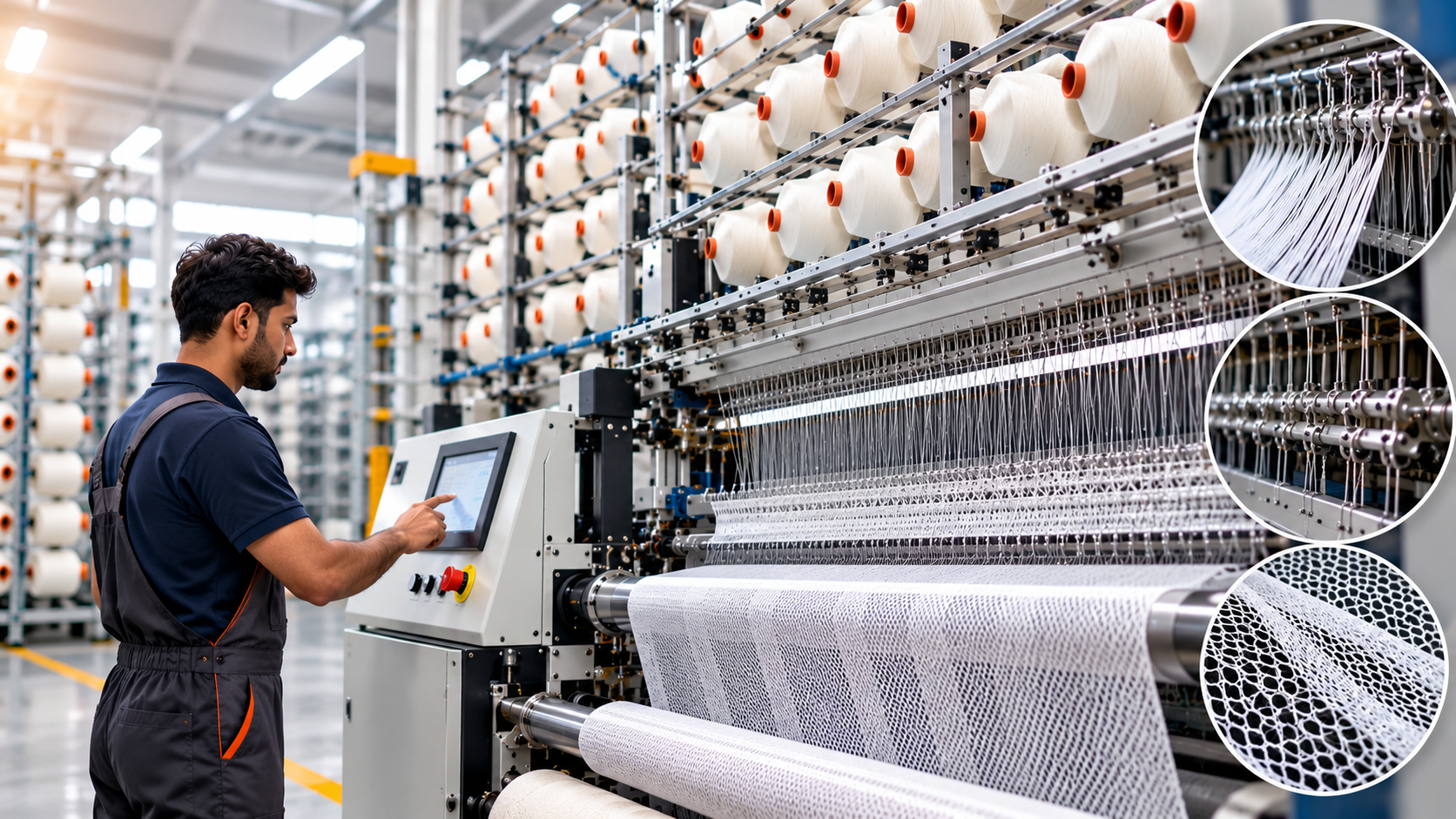
Learn how to operate a warp knitting machine, including yarn loading, threading, machine settings, fabric inspection, troubleshooting, and maintenance.
1. Understand the Basic Working Principle
A warp knitting machine produces knitted fabric by forming loops from yarns supplied lengthwise from a warp beam. Unlike weft knitting, where yarn typically moves across the fabric, warp knitting uses multiple yarn ends that form loops along the length of the fabric.
The machine uses needles, guide bars, yarn guides, and a fabric take-down system to form and pull the knitted fabric forward. Depending on the machine type, it may also use sinkers and other components to control loop formation.
Before operating the machine, understand its type, control panel, safety devices, yarn path, and the functions of its main components. Tricot and Raschel machines have different configurations, so the operating procedure and settings must follow the specific machine manual.
2. Prepare the Machine and Working Area
Before starting production, make sure the machine is clean, the working area is clear, and all safety guards are in place.
Check the following:
- Confirm that the machine is installed and levelled according to the manufacturer's instructions.
- Check the electrical supply, control panel, and emergency stop.
- Inspect the needle area, guide bars, yarn guides, and accessible moving parts.
- Check lubrication according to the machine's maintenance instructions.
- Remove lint, loose yarn, and other material that could interfere with operation.
- Make sure the take-down and fabric winding systems are ready.
Never reach into the knitting area while the machine is running. Stop and isolate the machine according to the approved safety procedure before inspecting or adjusting internal components.
3. Select and Load the Correct Yarn
Yarn selection affects fabric appearance, strength, stretch, and machine performance. The suitable yarn depends on the required fabric structure and end use.
Common yarn options include polyester, nylon, and other suitable synthetic or natural yarns, depending on the machine and application.
Before loading the yarn, check its count, strength, uniformity, and compatibility with the intended fabric. Look for knots, damaged sections, uneven thickness, and other defects that could cause yarn breaks.
Load the warp beams according to the machine's instructions. Ensure that each beam is correctly positioned and secured. Check that yarn unwinds smoothly without snagging or creating unnecessary tension.
4. Thread the Yarn Through the Guide System
Correct threading is essential for proper stitch formation. Yarn must pass through the designated guides and reach the correct knitting position.
Follow the threading diagram supplied with the machine. Depending on the configuration, yarn may pass through tensioning devices, guide eyes, and other yarn-control components before reaching the knitting elements.
During threading:
- Confirm that each yarn end follows the correct path.
- Check that yarn ends are not crossed or twisted unintentionally.
- Make sure yarn moves freely through the guides.
- Check for damaged, rough, or obstructed guide eyes.
- Confirm that all required yarn ends are present.
Incorrect threading can lead to missing yarns, fabric bars, uneven structures, and repeated yarn breaks. If the threading pattern is unclear, consult the machine manual or a trained technician instead of guessing.
5. Set the Machine Parameters
Once the yarn is loaded and threaded, configure the machine for the required fabric. The correct settings depend on the machine model, gauge, knitting structure, yarn type, and production target.
Important parameters may include:
- Machine speed: Set a suitable speed for the yarn, fabric structure, and machine condition.
- Stitch length or loop length: This affects fabric density, weight, and appearance.
- Guide bar movement: The guide bars must follow the required lapping pattern to produce the intended structure.
- Warp tension: The yarn supply must remain stable and within the recommended range.
- Take-down tension: The fabric must be pulled forward consistently without excessive stretching or loose handling.
- Fabric winding: The winding system must collect the fabric without folds, excessive tension, or uneven rolls.
Use approved settings or a proven production recipe for the intended fabric. Avoid changing multiple parameters at once, as this makes it harder to identify the cause of a defect.
6. Start the Machine at a Controlled Speed
Before starting, check that the threading, yarn supply, guards, and fabric take-down system are ready. Make sure no tools or loose materials remain in the machine area.
Start the machine using the normal operating procedure. Where the machine allows it, begin at a low or setup speed to observe the knitting process. Increase the speed gradually only after the machine runs smoothly and the fabric is forming correctly.
During the initial run, check for:
- Smooth needle and guide bar movement
- Stable yarn feeding
- Unusual noise or vibration
- Yarn breaks or missing yarn ends
- Correct fabric take-down
- Consistent loop formation
If the machine produces abnormal sounds, repeated yarn breaks, or visible fabric defects, stop it safely and identify the cause before continuing.
7. Inspect the Fabric During Production
Fabric inspection should begin during the first trial run, not only after a full roll has been produced. Early checks help prevent large quantities of defective fabric.
Examine the fabric for holes, vertical lines, horizontal bars, missing yarns, uneven loop formation, and changes in fabric width or appearance. Compare the fabric with the approved sample or production specification.
If a defect appears, note where it occurs and whether it repeats at the same position. A repeated defect may point to a local issue involving a needle, guide, yarn path, or another component. Defects across the fabric width may require checking yarn tension, beam supply, machine settings, or the knitting structure.
Make one controlled adjustment at a time, then inspect the new fabric section to confirm whether the problem has improved.
8. Common Operating Problems and Basic Checks
Yarn keeps breaking: Check yarn quality, tension, threading, guide condition, and beam unwinding. Also inspect for rough or damaged surfaces along the yarn path.
Holes or missing yarns appear: Check for broken or damaged knitting elements, missing yarn ends, incorrect threading, and unstable yarn supply.
Vertical lines appear in the fabric: Inspect the relevant yarn ends, guides, needles, and guide bar setup. Check whether the defect repeats at the same fabric position.
Fabric density changes: Review yarn tension, stitch or loop length settings, take-down conditions, and yarn consistency.
Machine makes unusual noise: Stop the machine safely and inspect according to the approved procedure. Do not continue running if a mechanical fault may be present.
These checks are a starting point, not a substitute for model-specific troubleshooting instructions. Complex timing, guide bar, needle, or drive adjustments should be handled by qualified personnel.
9. Follow a Regular Maintenance Routine
Daily maintenance helps keep the machine reliable and reduces avoidable production interruptions.
Clean accessible areas to remove lint and yarn waste. Inspect needles, guide bars, yarn guides, and other components according to the maintenance schedule. Check lubrication levels and points as specified in the machine manual, and look for signs of wear, looseness, or damage.
Keep a record of machine stoppages, yarn breaks, fabric defects, replacement parts, and maintenance work. These records can help operators identify recurring problems before they cause extended downtime.
For maintenance beyond routine cleaning and inspection, follow the manufacturer's instructions and use trained service personnel.
10. Choosing a Suitable Warp Knitting Machine
When selecting equipment, start with the fabric you intend to produce. Consider whether a Tricot or Raschel configuration is appropriate, along with the required fabric width, gauge, yarn type, structure, production capacity, and finishing needs.
Businesses comparing the best warp knitting machines should also assess ease of operation, availability of spare parts, operator training, maintenance requirements, and technical support. A machine that suits one fabric application may not be the right choice for another.
Review the machine specifications carefully and confirm that the proposed configuration can produce the required fabric consistently. A production trial or sample assessment, where available, can help verify suitability before making a purchasing decision.
Practical Machinery Guidance from Ramana Machines
Ramana Machines supports textile businesses with textile machinery sourcing, machine selection, import and distribution, installation assistance, operator guidance, spare parts, and after-sales technical support. We help buyers assess machinery according to their production requirements and the fabric applications they plan to serve.
For businesses looking for a textile industry supplier in Ludhiana, it is useful to consider not only machinery availability but also technical guidance, documentation, spare parts, and ongoing service support. Ramana Machines supplies textile machinery and assists businesses in identifying suitable equipment for their operational needs.
Related
More insights
10 Oct 2026
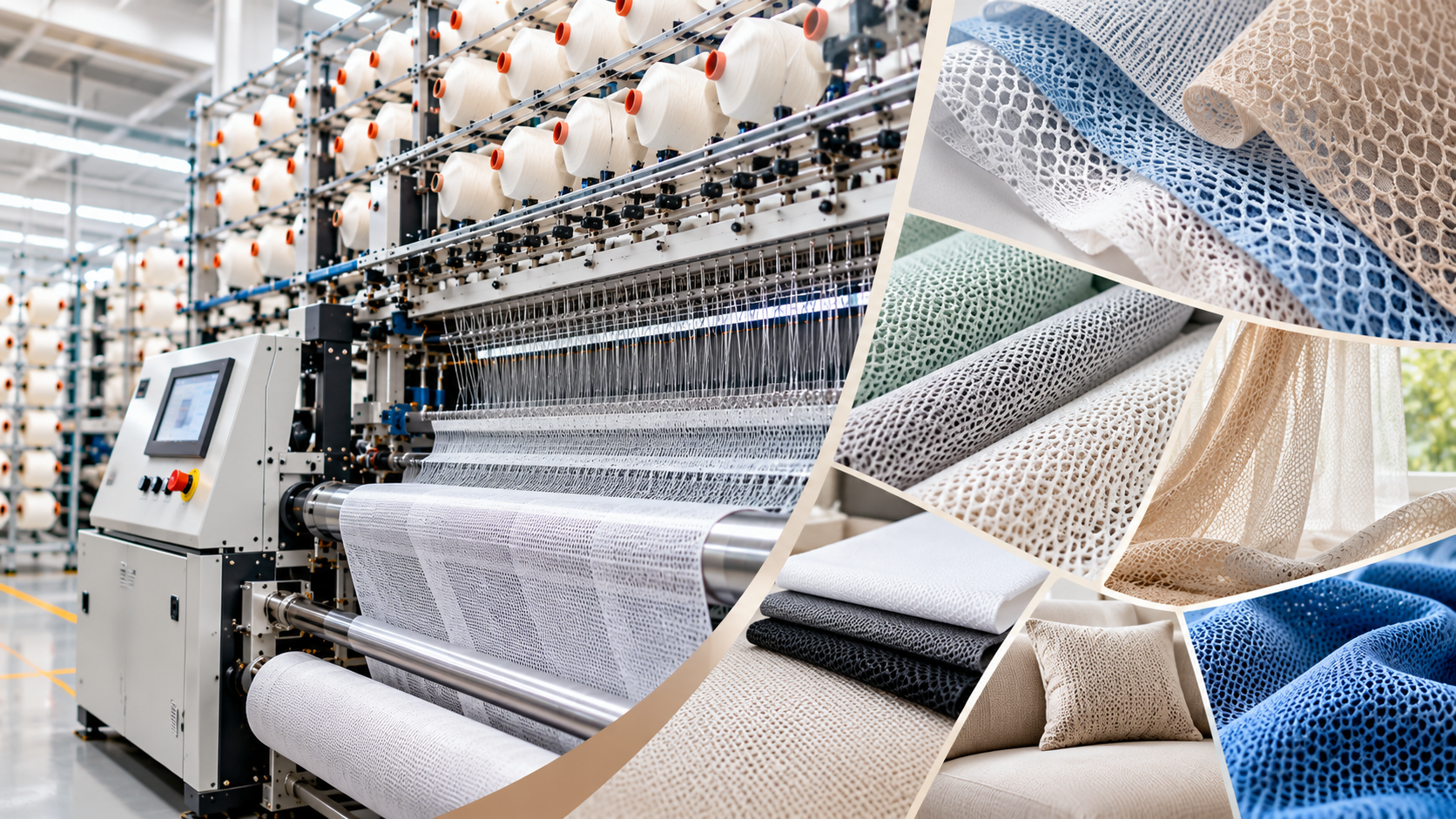
Which Fabrics Can Be Made on a Warp Knitting Machine? A Guide to Types and Uses
View10 Oct 2026
Which Fabrics Can Be Made on a Warp Knitting Machine? A Guide to Types and Uses
Discover which fabrics can be made on a warp knitting machine, including mesh, net, lining, sportswear, lingerie, spacer fabrics, and technical textiles.
View
24 Sept 2026
Dropped Stitches in Circular Knitting Machines: Causes, Problems and Solutions
View24 Sept 2026
Dropped Stitches in Circular Knitting Machines: Causes, Problems and Solutions
Learn why dropped stitches occur in circular knitting machines and how to check needles, latches, yarn tension, feeding, sinkers, cams, and machine settings.
View
24 Sept 2026
Vertical Lines in Knitted Fabric: Causes and Solutions in Circular Knitting Machines
View24 Sept 2026
Vertical Lines in Knitted Fabric: Causes and Solutions in Circular Knitting Machines
Learn how to find and fix vertical lines in knitted fabric caused by damaged needles, needle alignment, cylinder issues, sinker problems, cam wear, and yarn tension.
ViewFrequently Asked Questions
Find answers to the most common questions about our machines, services and support.
A warp knitting machine produces knitted fabrics for applications such as sportswear, lining, mesh, lace, lingerie, upholstery, and technical textiles. The exact applications depend on the machine type and knitting structure.
It feeds multiple yarn ends from warp beams through yarn guides. Needles form loops, while guide bars move the yarn into the required positions. The fabric take-down system pulls the knitted material forward as production continues.
Check the safety guards, electrical supply, yarn beams, threading, yarn tension, guide bars, lubrication, machine settings, and fabric take-down system. Follow the machine's pre-start checklist.
Polyester, nylon, and other suitable yarns can be used, depending on the fabric application and machine configuration. Yarn count, strength, elasticity, and uniformity should match the intended production requirements.
Common causes include excessive or unstable tension, poor yarn quality, incorrect threading, damaged guides, and uneven beam unwinding. Check the yarn path and supply system before making adjustments.
Inspect knitting elements, confirm that all yarn ends are correctly threaded, maintain stable yarn tension, and check the guide system and machine settings. Regular fabric inspection can help identify defects early.
Tricot machines are commonly used for fine, lightweight fabrics, while Raschel machines can produce a broad range of structures, including mesh, lace, and other open or patterned fabrics. The actual capabilities depend on the machine configuration.
Machine speed, loop length, yarn tension, guide bar movement, and fabric take-down can affect fabric density, appearance, width, and stability. Settings should match the intended structure and yarn.
Routine checks and cleaning are generally performed daily, while inspections, lubrication, and servicing follow the machine manufacturer's schedule. The exact frequency depends on operating hours, machine design, and production conditions.
Consider fabric type, machine configuration, working width, gauge, yarn compatibility, output requirements, maintenance, spare parts, installation, operator training, and after-sales technical support.
Yes, with proper training and supervision. Beginners should learn machine safety, threading, basic settings, fabric inspection, and normal stopping procedures before operating independently.
Contact a textile machinery supplier that can explain machine specifications, sourcing options, installation requirements, spare parts, and technical support. Ramana Machines assists textile businesses with machinery selection and related support based on their production needs.