
Blog
How to Set Yarn Tension on a Flat Bed Knitting Machine
By Ramana Machines · September 16, 2026
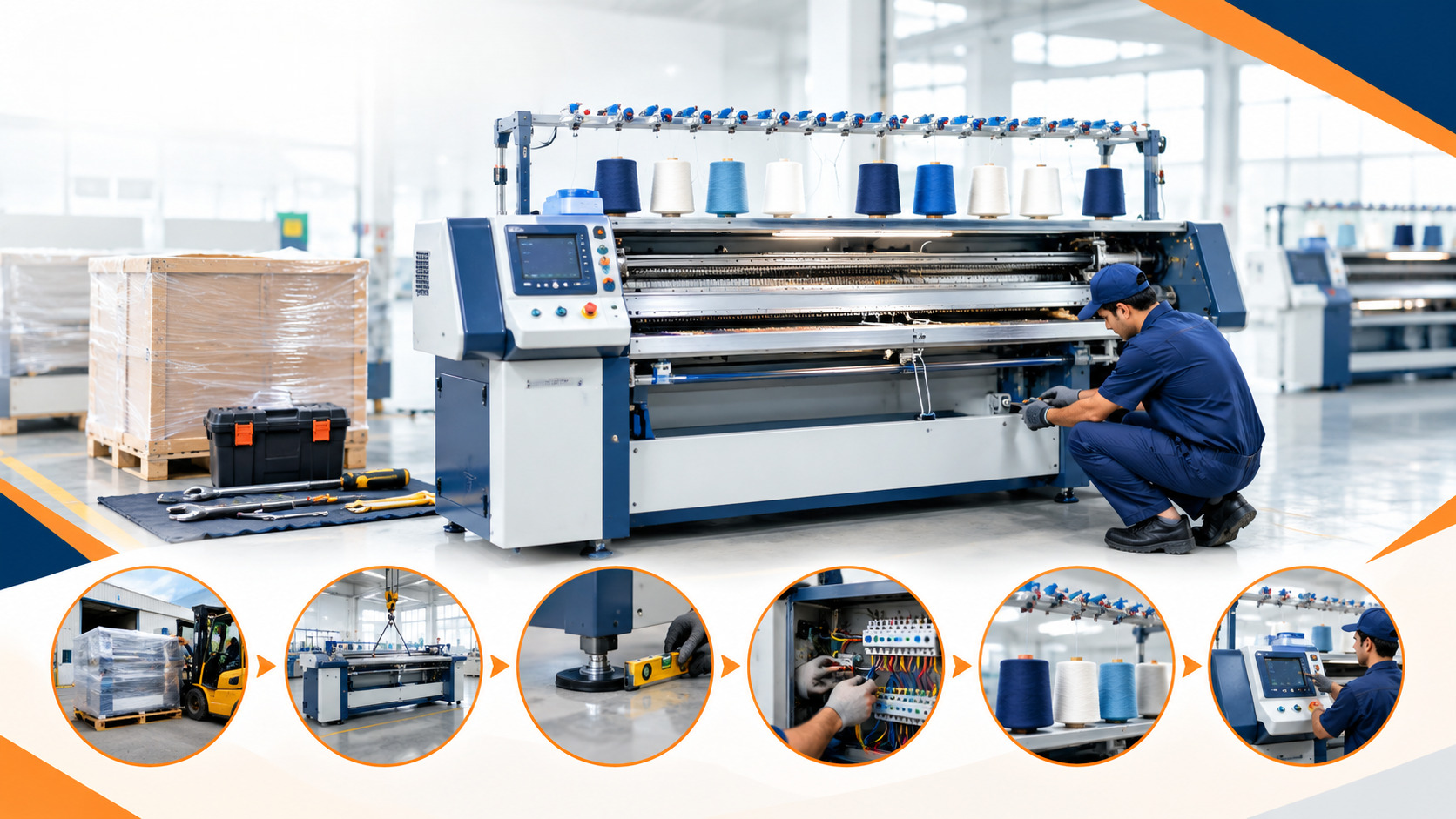
Learn how to set yarn tension on a flat bed knitting machine, identify tension problems, adjust yarn feeding, and maintain consistent stitch quality during production.
Yarn tension is an important part of consistent knitting. If the yarn is too tight or too loose, it can affect stitch formation, fabric appearance, yarn feeding, and overall machine performance.
Correct tension is not the same for every yarn or product. It depends on factors such as yarn type, yarn thickness, machine gauge, stitch settings, and the fabric being produced.
Understanding Yarn Tension
Yarn tension refers to the amount of resistance applied to the yarn as it travels from the yarn package through the feeding system and into the knitting area.
During knitting, the yarn needs to move smoothly and consistently. Too much tension can restrict yarn movement, while too little tension can result in loose or inconsistent feeding.
The goal is to maintain stable yarn feeding throughout the knitting process.
What Is the Correct Tension?
There is no single tension setting that works for every production requirement. The correct setting should be determined based on the yarn, machine configuration, and required fabric structure.
Before setting the tension, consider:
- Yarn type
- Yarn thickness
- Yarn elasticity
- Machine gauge
- Stitch size
- Knitting speed
- Fabric structure
- Product requirements
Always follow the machine's operating instructions and make adjustments gradually rather than making large changes at once.
Symptoms of Incorrect Yarn Tension
Incorrect tension can often be identified by changes in yarn behavior or fabric quality.
Tension That Is Too High
Possible signs include:
- Frequent yarn breakage
- Tight or distorted stitches
- Uneven fabric appearance
- Excessive resistance during yarn feeding
- Increased stress on the yarn
Tension That Is Too Low
Possible signs include:
- Loose stitches
- Uneven loops
- Inconsistent fabric structure
- Excess yarn movement
- Changes in fabric appearance
These symptoms can also have other causes, so operators should inspect the yarn, feeder, needles, and machine settings before changing the tension.
How to Adjust Yarn Tension
Yarn tension should be adjusted carefully and in small steps.
Step 1: Check the Yarn
Make sure the yarn is suitable for the machine and is feeding correctly from the package. Check for knots, damaged yarn, or irregular winding.
Step 2: Check the Yarn Path
Inspect the yarn from the package to the feeder. Make sure it passes correctly through all required guides and does not rub against unnecessary surfaces.
Step 3: Check the Feeder
Make sure the yarn feeder is correctly positioned and clean. A feeder problem can sometimes look like a tension problem.
Step 4: Make a Small Adjustment
Adjust the tension control gradually according to the machine instructions. Avoid making large changes because this can make it difficult to identify the correct setting.
Step 5: Knit a Test Sample
After making an adjustment, knit a small sample and inspect the fabric. Check stitch consistency, fabric appearance, and yarn behavior.
If the result is still not satisfactory, make another small adjustment and test again.
Tension and Stitch Quality
Yarn tension should always be considered together with stitch settings. Changing one setting can affect the appearance of the finished fabric.
If you are experiencing uneven stitches, do not assume that yarn tension is the only cause. Also inspect:
- Needles
- Needle bed
- Yarn feeder
- Stitch settings
- Carriage movement
- Yarn quality
- Machine cleanliness
A systematic check can help identify the actual cause instead of repeatedly changing the tension setting.
When Should You Replace a Component?
Sometimes inconsistent yarn feeding is caused by worn or damaged components rather than incorrect adjustment. If guides, feeders, needles, or other parts show signs of damage, they should be inspected and replaced when required.
Keeping commonly used replacement components available can help reduce production interruptions. A reliable textile machinery spare parts supplier can help businesses source suitable replacement parts for their equipment.
Tips for Maintaining Consistent Yarn Tension
For stable production:
- Use suitable and consistent yarn.
- Keep yarn guides clean.
- Check feeders regularly.
- Inspect needles for damage.
- Avoid sudden tension changes.
- Test settings before full production.
- Record successful settings for repeat orders.
- Monitor the fabric during production.
When to Get Technical Support
If tension problems continue after checking the yarn path, feeder, needles, and settings, the issue may require technical inspection.
A flat knitting machine distributor or qualified technical support team can help identify whether the problem is related to machine adjustment, components, or another part of the knitting system.
Get Technical Support from Ramana Machines
Ramana Machines supports textile businesses with machine sourcing, installation assistance, operator training, spare parts, and after-sales technical support. If you need help with knitting machine setup, yarn feeding, or ongoing machine requirements, Ramana Machines can assist with suitable equipment and technical support based on your production needs.
Related
More insights
September 16, 2026
How to Operate a Flat Bed Knitting Machine: Beginner's Guide
Learn how to operate a flat bed knitting machine with this beginner's guide covering yarn preparation, threading, machine and stitch settings, production, and output monitoring.
September 16, 2026
Flat Bed Knitting Machine Safety Precautions Every Operator Should Know
Learn essential flat bed knitting machine safety precautions covering electrical safety, moving parts, needles, emergency stops, operator safety, and workplace practices.
September 16, 2026