
Blog
Main Parts of a Flat Bed Knitting Machine Explained
By Ramana Machines · August 26, 2026
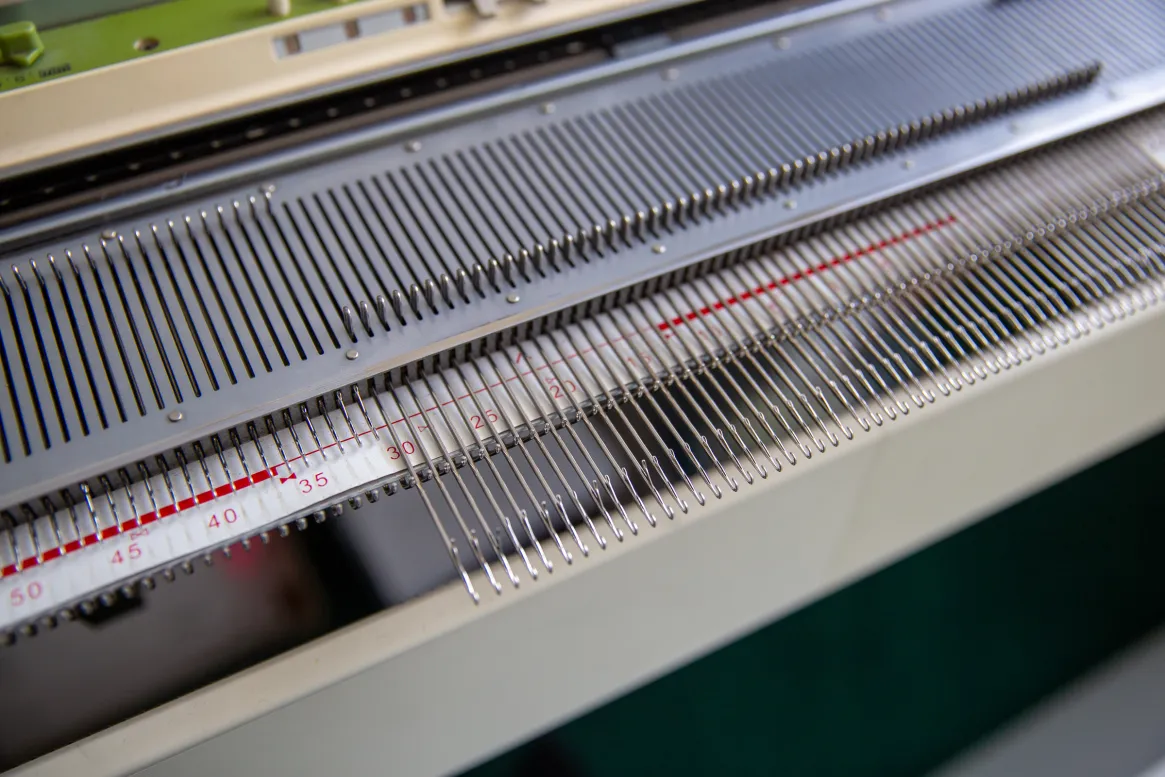
A flat bed knitting machine is made up of several parts that work together to form knitted fabric. For someone new to textile machinery, understanding these parts makes it easier to understand how the machine operates, identify basic problems, and carry out regular maintenance.
In this guide, we will look at the main parts of a flat bed knitting machine and understand the role of each one.
1. Needle Bed
The needle bed is the main area where the knitting needles are positioned. It contains a series of slots that hold and guide the needles during knitting.
Depending on the machine design, there may be one or two needle beds. Double-bed machines have two beds arranged opposite each other, allowing the machine to create a wider range of knitted structures.
The condition of the needle bed is important for smooth knitting. Dust, lint, or damage in this area can affect needle movement and fabric quality.
2. Needles
Needles are responsible for forming the loops that create knitted fabric.
Each needle receives the yarn and moves through a controlled path to form a new loop. Thousands of repeated needle movements can be involved during production, so the condition of the needles has a direct effect on knitting quality.
A bent, damaged, or worn needle may cause problems such as:
- Dropped stitches
- Yarn breakage
- Holes in the fabric
- Uneven stitches
Regular needle inspection is therefore an important part of machine maintenance.
3. Carriage
The carriage moves across the needle bed during the knitting process. It controls the movement of the needles and helps them perform the required knitting actions.
The carriage contains different working components that determine how selected needles move as the carriage travels across the bed.
Smooth carriage movement is important for stable production. If the carriage becomes difficult to move or makes unusual noise, the machine should be inspected rather than being forced to operate.
4. Yarn Feeder
The yarn feeder delivers yarn to the needles at the correct position during knitting.
It helps guide the yarn from the yarn supply toward the knitting area. Proper yarn feeding is important because inconsistent feeding can affect stitch formation and fabric appearance.
Before production, operators should check that:
- The yarn is moving freely
- The yarn path is clear
- The feeder is correctly positioned
- There is no unnecessary friction
The correct yarn and suitable yarn tension are also important for consistent results.
5. Cam System
The cam system helps control the movement of the needles as the carriage travels across the needle bed.
In simple terms, cams guide the needles into different positions so that they can perform the required knitting action.
The cam system plays an important role in controlling functions such as needle movement and stitch formation. Because it is closely connected with the movement of the needles, incorrect settings or worn components can affect fabric quality.
Proper inspection and maintenance should be carried out according to the machine manufacturer's recommendations.
6. Take-Down System
After the needles form new stitches, the knitted fabric needs to move away from the needle bed. This is where the take-down system is used.
It pulls the knitted fabric downward at a controlled rate and helps maintain the required knitting conditions.
If the take-down is not working correctly, the fabric may not move properly, which can affect stitch formation and overall fabric quality.
The take-down system should therefore be checked regularly, especially when changes in fabric appearance or production quality are noticed.
7. Control Panel
The control panel is the main interface between the operator and the machine, particularly on computerized flat bed knitting machines.
Depending on the machine model, the control panel may allow the operator to manage settings such as:
- Knitting programs
- Stitch settings
- Pattern selection
- Production parameters
- Machine status
- Error messages
Computerized control systems can make complex knitting operations easier to manage, but operators still need proper training to use the available functions correctly.
How These Parts Work Together
A flat bed knitting machine does not depend on one component alone. Each part has a specific role in the knitting process.
The yarn feeder supplies the yarn, the needles form loops, the carriage and cam system control needle movement, and the take-down system moves the finished fabric away from the knitting area. The needle bed keeps the needles correctly positioned, while the control panel allows the operator to manage machine functions on computerized models.
When these components are correctly adjusted and maintained, they work together to produce consistent knitted fabric.
Why Understanding Machine Parts Matters
Knowing the main parts of a flat bed knitting machine is useful for both operators and buyers. It helps operators understand the machine better and recognize early signs of problems.
For manufacturers, this knowledge is also helpful when discussing installation, spare parts, maintenance, and technical support with a machinery supplier.
At Ramana Machines, we believe that understanding the equipment is an important part of making the right machinery decision. Before purchasing a machine, manufacturers should consider not only its specifications but also its maintenance requirements, spare-parts availability, operator training, and long-term technical support.
Related
More insights
10 Oct 2026
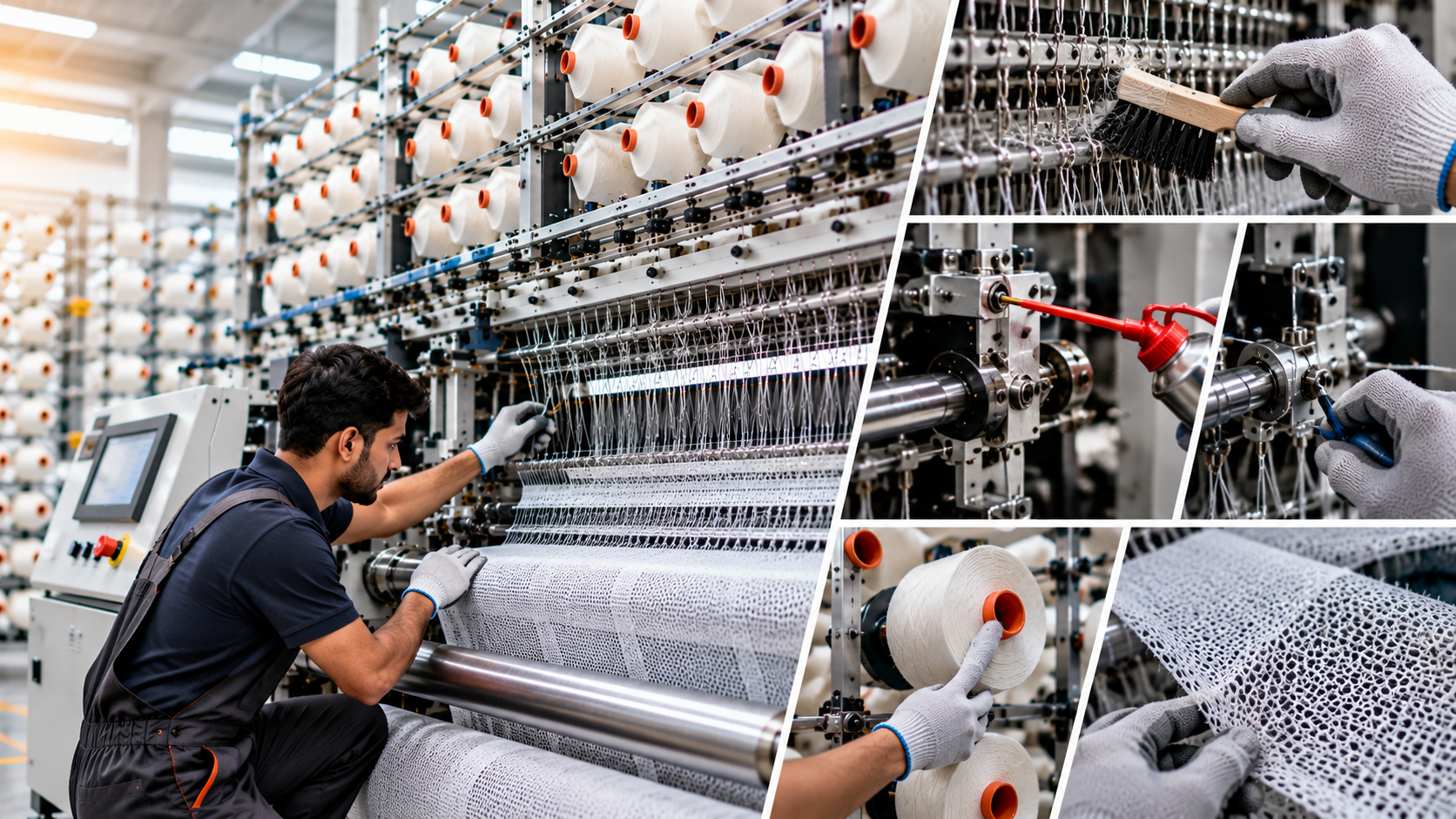
Warp Knitting Machine Maintenance Checklist: Daily, Weekly, and Monthly Guide
View10 Oct 2026
Warp Knitting Machine Maintenance Checklist: Daily, Weekly, and Monthly Guide
Keep your warp knitting machine in excellent operating condition with a practical daily, weekly, and monthly maintenance checklist. Learn how to inspect needles, clean yarn paths, check lubrication, tighten fasteners safely, identify mechanical wear, and maintain accura
View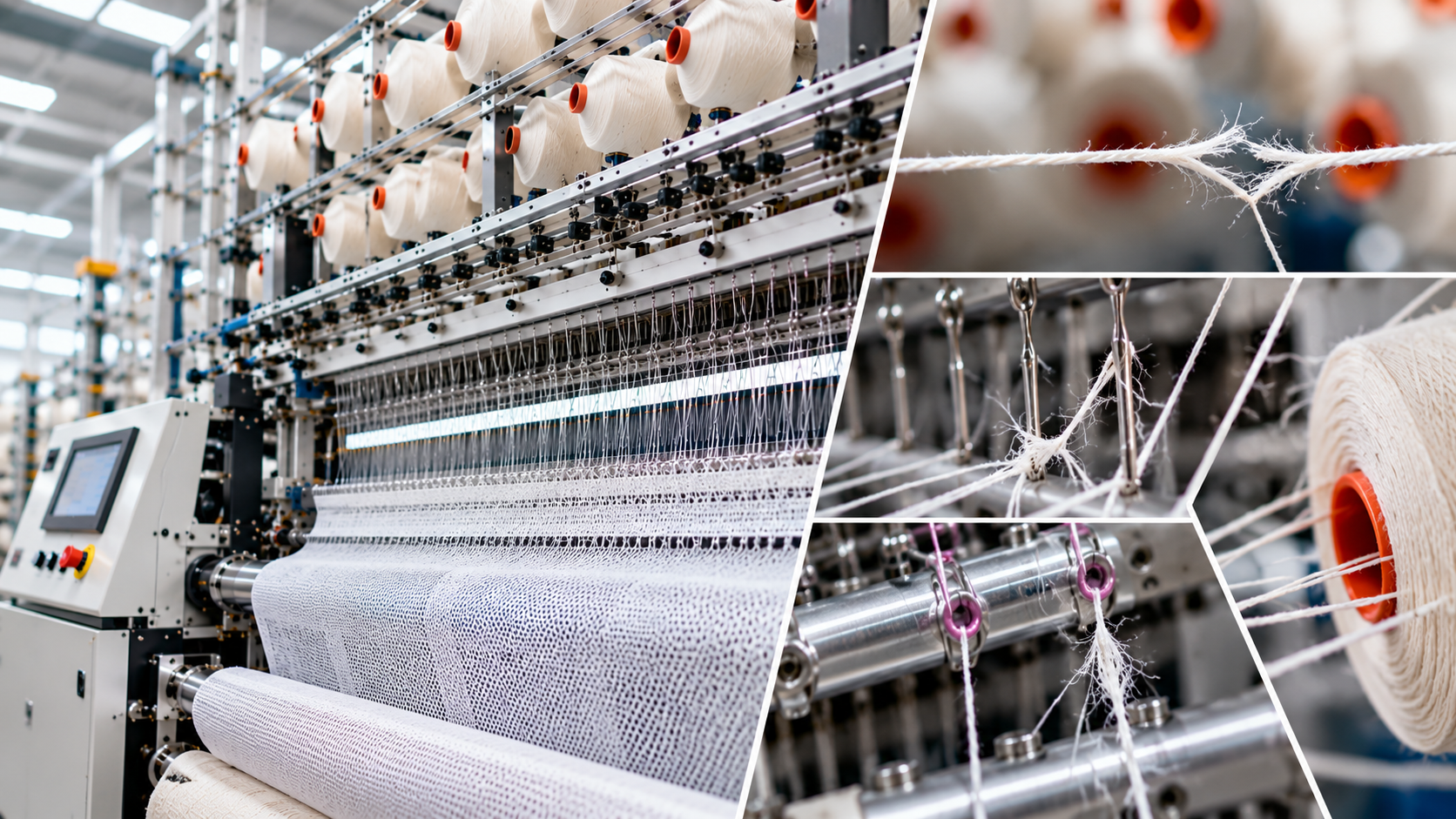
10 Oct 2026
Why Does Yarn Keep Breaking on a Warp Knitting Machine? Causes, Troubleshooting and Prevention
View10 Oct 2026
Why Does Yarn Keep Breaking on a Warp Knitting Machine? Causes, Troubleshooting and Prevention
Learn why yarn breaks on warp knitting machines and how yarn quality, tension, damaged guides, beam unwinding and feeding affect production.
View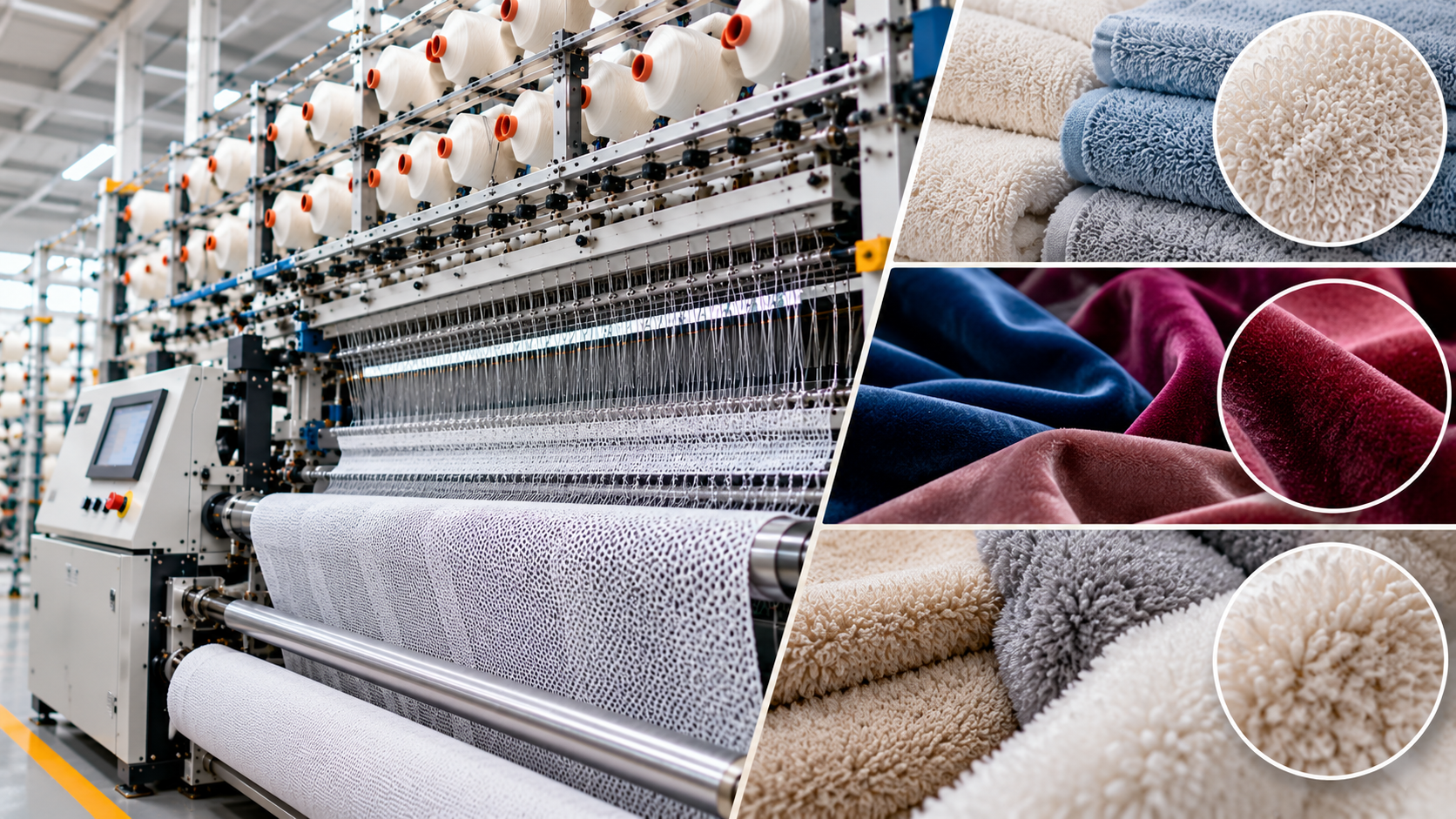
10 Oct 2026
Which Warp Knitting Machine Is Suitable for Terry, Velvet, or Pile Fabrics?
View10 Oct 2026
Which Warp Knitting Machine Is Suitable for Terry, Velvet, or Pile Fabrics?
Learn which knitting machines are suitable for terry, velvet, and pile fabrics. Explore machine configurations, yarn selection, fabric structure, finishing, and buying considerations.
View