
Blog
Special Collar Knitting Machine: What Is It & How It Works
By Ramana Machines · September 19, 2026
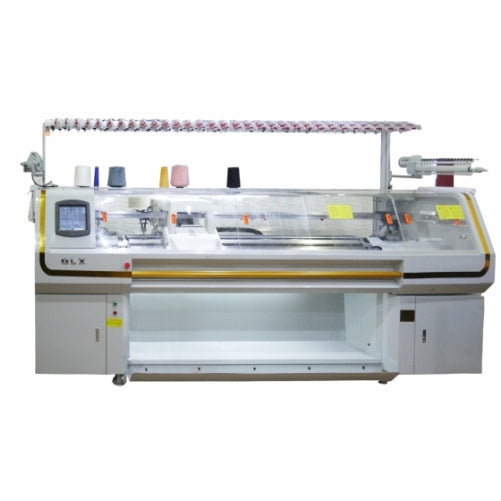
Learn what a special collar knitting machine is, how it works, its main components, applications, and key factors for collar production.
Collar Knitting Machine: What Is It and How Does It Work?
Collars are an important part of many knitted garments, including sweaters, pullovers, cardigans, uniforms, and other knitwear. Producing collars with consistent dimensions, stitch quality, edges, and patterns requires suitable knitting equipment.
A collar knitting machine is designed specifically for producing knitted collars and related narrow knitted components. It works on the basic principles of flat knitting but is configured to meet the particular requirements of collar production. Depending on the machine design, it may support plain knitting, rib structures, stripes, jacquard patterns, transfer operations, and other programmed designs.
What Is a Collar Knitting Machine?
A special collar knitting machine is a type of flat knitting equipment developed for making collars, cuffs, tapes, and similar knitted components.
Unlike general-purpose knitting equipment, collar-focused machines are designed around the dimensions and production requirements of these smaller knitted parts. The machine forms loops with needles arranged along a needle bed while the carriage moves across the knitting area.
Modern computerized models can use programmed instructions to control different knitting actions. This allows operators to produce repeatable designs and maintain greater consistency between pieces.
How Does It Work?
The basic knitting process is similar to other flat knitting equipment.
1. Yarn Feeding
The yarn is supplied to the machine through a yarn feeding system. The yarn feeder guides the yarn toward the needles at the required position and helps maintain a consistent supply during knitting.
Stable yarn feeding is important because changes in yarn tension or feeding can affect stitch formation and the appearance of the collar.
2. Needle and Needle Bed Action
The needle bed holds the knitting needles in their required positions. As the carriage moves, the needles are selected and operated according to the programmed or mechanical settings.
The needles receive the yarn and form new loops while previously formed loops are transferred or drawn off as the knitting process continues.
3. Carriage Movement
The carriage moves across the needle bed and controls the knitting action through its cam system.
Depending on the machine configuration and programmed design, the carriage can control functions such as knitting, tuck, transfer, or other stitch operations.
4. Stitch Formation
The machine repeatedly feeds yarn to the selected needles and forms rows of stitches. By controlling needle selection, stitch density, yarn feeding, and carriage movement, different structures and patterns can be produced.
For collar production, maintaining consistent stitch formation is especially important because variations can affect the appearance and dimensions of the finished component.
5. Take-Down
As the knitted material is produced, the take-down system helps pull the fabric downward at a controlled rate.
Proper take-down is important for maintaining stable knitting conditions and helping the fabric form correctly during production.
What Types of Products Can Be Made?
Although collars are the main application, this type of equipment can be used for several narrow knitted components depending on its configuration.
Common applications include:
- Sweater collars
- Shirt collars
- Rib collars
- Cuffs
- Knitted tapes
- Garment borders
- Decorative knitted components
- Uniform collars
- Fashion garment components
Some computerized machines can also produce patterned and jacquard designs, giving manufacturers more options for customized garment components.
Main Components
Understanding the main components makes it easier to understand how the machine operates.
Needle Bed
The needle bed holds the needles in precise positions and provides the main knitting area.
Needles
Needles form the individual loops that make up the knitted structure. Their condition can directly affect stitch quality.
Carriage
The carriage travels across the needle bed and controls needle movement through the cam system.
Yarn Feeder
The yarn feeder guides yarn toward the knitting needles. Consistent yarn delivery is important for stable production.
Cam System
The cam system controls the movement and selection of needles according to the required knitting operation.
Take-Down System
The take-down mechanism controls the movement of the knitted material as it is produced.
Control System
Computerized equipment may include a control panel or computer interface through which operators can select programs, adjust settings, and monitor machine functions. Modern flat knitting systems can include programmable controls and electronic stitch adjustment.
Collar Knitting vs General Flat Knitting
A collar-focused machine and a general flat bed knitting machine use similar basic knitting principles, but their intended production requirements can be different.
A general flat knitting machine may be selected for products such as sweater panels, scarves, shoe uppers, fashion garments, and other knitted components.
Collar-focused equipment is designed around the production of collars, cuffs, tapes, and similar components where dimensions, edges, stitch structure, and repeatability are particularly important.
The right choice therefore depends on the products you plan to manufacture rather than simply the machine's general knitting capability.
Why Machine Gauge Matters
Gauge is an important specification when selecting knitting equipment. It refers to the needle spacing and influences the type of yarn and fabric structure that can be produced.
The suitable gauge depends on:
- Yarn type and thickness
- Collar structure
- Required fabric appearance
- Product application
- Desired stitch density
- Production requirements
A machine should therefore be selected according to the actual collar specifications and yarns used in production.
Computerized Operation
Computerized control can make it easier to manage repeat designs and production settings.
Depending on the machine, operators may be able to store or select knitting programs, control stitch-related parameters, manage needle selection, and produce different patterns.
This can be particularly useful when producing multiple collar designs or when consistent repeat production is required.
However, computerized operation does not remove the need for proper operator training. Correct yarn preparation, machine setup, settings, cleaning, and maintenance remain important for reliable production.
Factors to Consider Before Buying
Before selecting equipment, consider the following:
Gauge: Match the gauge with your yarn and required collar structure.
Working width: Choose a suitable width based on the size and range of products you intend to produce.
Knitting systems: Check the available systems and understand which knitting functions they support.
Automation: Consider whether manual, semi-computerized, or computerized operation is appropriate for your production.
Pattern requirements: If you produce patterned or jacquard collars, check the machine's available design functions.
Production volume: Select equipment that matches your expected production requirements.
Operator training: Make sure suitable training and technical guidance are available.
Spare parts: Check the availability of needles, feeders, sensors, and other commonly required components.
After-sales support: Technical assistance can be important during installation, commissioning, troubleshooting, and routine operation.
Working with an experienced textile machinery supplier can make it easier to compare these specifications according to your actual production requirements.
Common Problems During Collar Production
Several operating conditions can affect collar quality.
Common issues include:
- Uneven stitches
- Incorrect yarn tension
- Yarn breakage
- Needle damage
- Uneven edges
- Incorrect stitch density
- Pattern errors
- Inconsistent dimensions
These problems can often be reduced through correct machine settings, suitable yarn preparation, regular cleaning, needle inspection, and proper operator training.
When a problem continues despite routine checks, technical support should be considered rather than repeatedly changing machine settings without identifying the actual cause.
Maintenance Requirements
Regular maintenance helps keep knitting equipment operating consistently.
Operators should pay attention to:
- Needle condition
- Needle bed cleanliness
- Yarn feeder condition
- Carriage movement
- Lubrication requirements
- Take-down system
- Sensors and electrical components
- Control system and error messages
The exact maintenance schedule should follow the machine manufacturer's recommendations.
Keeping commonly required replacement components available can also reduce downtime when a worn or damaged part needs to be replaced.
GLX Collar Knitting Machines from Ramana Machines
Ramana Machines provides GLX brand collar knitting machines for businesses looking for equipment for collar and related knitted-component production. The GLX range available through Ramana Machines includes computerized flat knitting equipment with configurations such as different gauges, working widths, knitting systems, and programmable knitting functions. For example, Ramana Machines lists GLX equipment in 14G, 16G, and 18G configurations with multiple knitting-width options and computerized control.
As a textile machinery supplier, Ramana Machines helps customers understand their production requirements and select suitable machinery. Support can include machine sourcing, China import and distribution, installation and commissioning assistance, operator training, spare parts, and after-sales technical support.
If you are planning collar production or looking to expand your existing knitting setup, Ramana Machines can assist with suitable GLX machinery based on your product requirements.
Related
More insights
19 Sept 2026
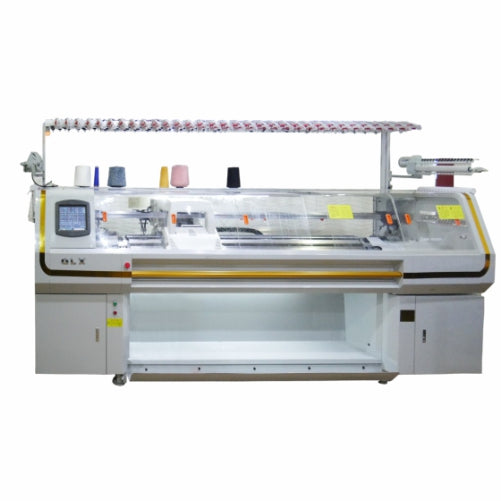
Types of Collar Knitting Machines: Features, Gauges & Applications
View19 Sept 2026
Types of Collar Knitting Machines: Features, Gauges & Applications
Explore the types of collar knitting machines, available gauges, machine configurations, collar designs, knitting functions, and applications. Learn how gauge, working width, systems, and production requirements affect machine selection.
View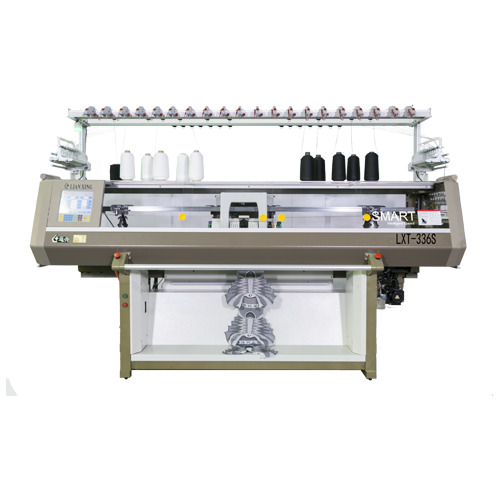
16 Sept 2026
Flat Bed Knitting Machine Buying Guide: Key Specifications
View16 Sept 2026
Flat Bed Knitting Machine Buying Guide: Key Specifications
Learn which specifications to check before buying a flat bed knitting machine, including gauge, systems, working width, automation, software, production needs, support, and spare parts.
View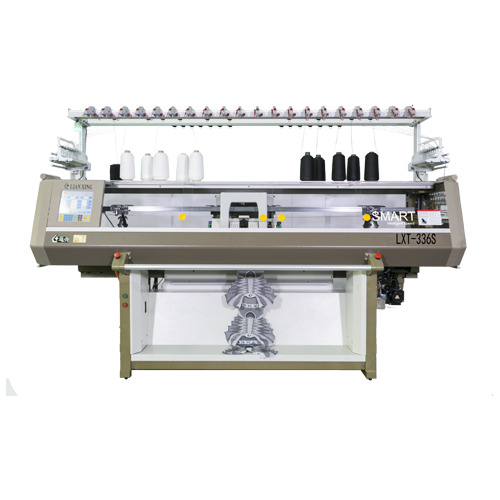
16 Sept 2026
Common Flat Bed Knitting Machine Operating Mistakes
View16 Sept 2026
Common Flat Bed Knitting Machine Operating Mistakes
Learn about common flat bed knitting machine operating mistakes, including incorrect yarn tension, poor cleaning, wrong settings, ignored alarms, and delayed maintenance.
ViewFrequently Asked Questions
Find answers to the most common questions about our machines, services and support.
It is primarily used to produce knitted collars, cuffs, tapes, and similar narrow knitted components for garments and other textile products.
They use similar flat knitting principles, but collar-focused equipment is designed around the specific requirements of producing collars and related components.
The suitable yarn depends on the machine gauge, machine configuration, and product requirements. Yarn thickness and characteristics should be matched with the machine specifications.
Yes. Depending on the machine configuration and software, computerized equipment can support different patterns, including various jacquard and programmed structures.
Gauge affects needle spacing and influences the type of yarn, stitch structure, and fabric appearance that can be produced.
Check gauge, working width, knitting systems, automation, software or control functions, production requirements, technical support, spare parts availability, and after-sales service.
Yes. Proper training helps operators understand yarn feeding, machine settings, programming, safety procedures, cleaning, and basic troubleshooting.