
Blog
Why Are Needles Breaking in a Flat Bed Knitting Machine?
By Ramana Machines · September 16, 2026
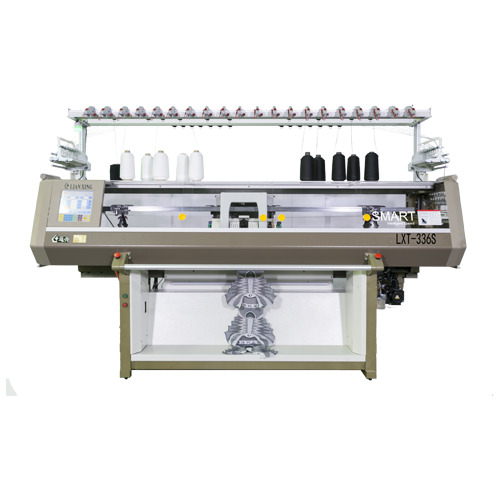
Learn why needles break during flat knitting and how to identify problems related to the needle bed, machine settings, yarn, carriage movement, and maintenance.
Why Are Needles Breaking in a Flat Bed Knitting Machine?
Needle breakage can interrupt production and may also damage other machine components if the cause is not addressed. A broken needle is not always a sign of a faulty needle itself. The needle bed, yarn, carriage, machine settings, and fabric structure can all contribute to the problem.
Understanding why needles break helps operators find the cause quickly and reduce repeated downtime.
Common Causes of Needle Breakage
Several conditions can lead to broken needles, including:
- Incorrect needle positioning
- Damaged or worn needle-bed components
- Incorrect stitch settings
- Excessive yarn tension
- Yarn knots or thick sections
- Foreign material in the needle bed
- Carriage movement problems
- Using an unsuitable or incorrect needle
If the same needle position breaks repeatedly, the problem should be investigated instead of simply replacing the needle each time.
Check the Needle Bed
The needle bed needs to remain clean and free from anything that can interfere with needle movement.
Dust, lint, broken yarn, or small foreign particles can restrict the needle's movement. A damaged groove can also prevent a needle from moving correctly.
During inspection:
- Stop the machine safely.
- Remove loose yarn and debris.
- Check the needle grooves for visible damage.
- Inspect nearby needles for wear or bending.
- Make sure needles can move smoothly.
Do not use excessive force when cleaning or moving components in the needle bed.
Incorrect Machine Settings
Incorrect settings can place unnecessary stress on the needles. Stitch length, carriage settings, yarn feeding, and other machine parameters should match the fabric and yarn being used.
If needle breakage begins after changing a setting, compare the current setup with the previous working settings. Make one adjustment at a time and run a small test before continuing production.
For computerized machines, follow the machine's operating instructions when changing programmed settings.
Yarn Problems
The yarn itself can sometimes cause needle breakage. Knots, thick sections, hard spots, foreign material, or inconsistent yarn can create sudden resistance while the machine is knitting.
Check the yarn package and observe how the yarn enters the machine. If the breakage happens whenever a particular section of yarn passes through the knitting area, the yarn may be contributing to the problem.
Yarn tension should also be checked. Excessive tension can increase stress on the needle and other knitting components.
Carriage and Movement Issues
The carriage should move smoothly across the needle bed. If it becomes difficult to move, stops unexpectedly, or produces unusual resistance, stop the machine and investigate.
Possible causes include:
- Damaged needles
- Obstructions in the needle bed
- Incorrect carriage settings
- Worn carriage components
- Insufficient maintenance
Never force a carriage through an area where resistance is present. Doing so can cause further needle or machine damage.
How to Prevent Needle Breakage
Regular checks can greatly reduce repeated needle failures.
Keep the Needle Bed Clean
Remove lint, loose yarn, and other material according to the machine's cleaning procedure.
Inspect Needles Regularly
Look for bent, damaged, or worn needles before they cause production problems.
Use Suitable Yarn
Make sure the yarn is appropriate for the machine and fabric being produced.
Avoid Sudden Setting Changes
Make adjustments gradually and test the result before starting a full production run.
Monitor the Machine
Pay attention to unusual sounds, carriage resistance, irregular stitches, or repeated needle failures. These can be early signs of a larger issue.
When Should a Needle Be Replaced?
A needle should be replaced when it is bent, damaged, worn, or no longer moving correctly. Do not continue production with a visibly damaged needle simply because it is still functioning.
When replacing a needle, use the correct specification for the machine. A textile machinery spare parts supplier can help identify suitable replacement needles and other components based on the machine model.
What If Needles Keep Breaking?
If a new needle breaks repeatedly in the same position, replacing it again may not solve the problem. Check the corresponding needle groove, carriage movement, yarn path, and machine settings.
Repeated breakage in one location is useful diagnostic information because it may point to a specific mechanical or setup issue.
For businesses sourcing new equipment or replacement components, an experienced flat bed knitting machine importer can also provide guidance on suitable machinery and related parts.
Support from Ramana Machines
Ramana Machines supports textile businesses with machine selection, sourcing, installation assistance, operator training, spare parts, and after-sales technical support. If you are facing repeated needle breakage or need help with knitting machinery and components, Ramana Machines can assist with suitable solutions based on your production requirements.
Related
More insights
September 16, 2026
Flat Bed Knitting Machine Buying Guide: Key Specifications
Learn which specifications to check before buying a flat bed knitting machine, including gauge, systems, working width, automation, software, production needs, support, and spare parts.
September 16, 2026
Common Flat Bed Knitting Machine Operating Mistakes
Learn about common flat bed knitting machine operating mistakes, including incorrect yarn tension, poor cleaning, wrong settings, ignored alarms, and delayed maintenance.
September 16, 2026