
Blog
Why Does Yarn Keep Breaking on a Flat Bed Knitting Machine?
By Ramana Machines · September 16, 2026
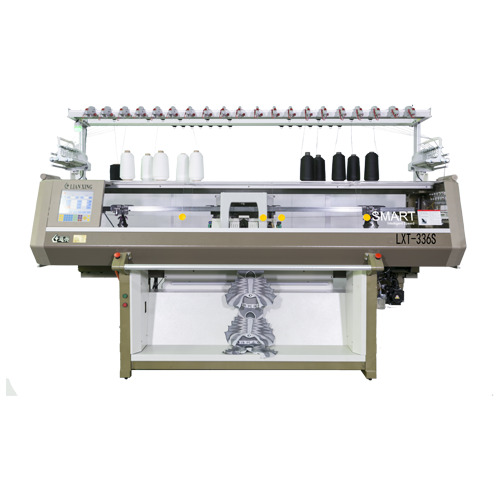
Why Does Yarn Keep Breaking on a Flat Bed Knitting Machine?
Yarn breakage is a common production issue in flat knitting. When yarn keeps breaking, production slows down and the fabric may develop holes, uneven areas, or visible lines. The cause is not always the machine itself. Yarn condition, tension, feeding, and individual machine components can all affect how smoothly the yarn runs.
Finding the actual cause before changing settings can save time and reduce material waste.
Possible Causes of Yarn Breakage
Repeated yarn breakage can be caused by several factors, including:
- Poor or inconsistent yarn quality
- Excessive yarn tension
- Incorrect yarn feeding
- A damaged or dirty yarn path
- Feeder problems
- Worn needles or machine components
- Incorrect stitch or machine settings
Start with the simplest checks before making major machine adjustments.
Check the Yarn Quality
The yarn should be suitable for the fabric and machine being used. Weak yarn, inconsistent thickness, excessive hairiness, knots, or damaged sections can increase the chance of breakage.
Check whether the yarn is breaking at random points or repeatedly at the same location. Random breaks may indicate a yarn-quality issue, while repeated breaks at one point can suggest a feeding or machine-related problem.
It is also useful to check the yarn cone and unwinding condition. If the yarn is catching or pulling unevenly from the package, the feeding system may not receive a consistent supply.
Check Yarn Tension
Incorrect tension is another common reason for yarn breaking.
If tension is too high, the yarn can be placed under unnecessary stress during knitting. If tension is too low, feeding may become unstable and affect stitch formation.
Make small adjustments rather than changing the setting significantly. After each adjustment, knit a short sample and observe whether the yarn moves smoothly.
The correct setting depends on the yarn type, yarn size, fabric design, and machine configuration.
Inspect the Yarn Path
The yarn should travel smoothly from the package through the feeding system and into the knitting area.
Look for:
- Sharp or rough contact points
- Incorrect threading
- Yarn rubbing against a component
- Dust or lint around the feeding area
- Loose or incorrectly positioned guides
If the yarn consistently breaks at the same point, carefully inspect that section of the yarn path. A small rough surface or incorrect guide position can repeatedly damage the yarn.
Check the Yarn Feeder
A feeder problem can also cause repeated yarn breaks. The feeder should guide the yarn smoothly without creating unnecessary friction.
Inspect the feeder for dirt, damage, incorrect positioning, or signs of wear. If the feeder is damaged, it may need to be cleaned, adjusted, or replaced according to the machine's specifications.
Avoid forcing or modifying feeder components without proper technical guidance.
Practical Solutions
Once the likely cause has been identified, work through the solution step by step:
- Replace poor-quality or damaged yarn with a suitable yarn.
- Check that the yarn is correctly threaded.
- Adjust tension gradually.
- Clean the yarn guides and feeding area.
- Inspect the feeder for damage or wear.
- Check needles and other areas that may contact the yarn.
- Run a short test before returning to full production.
Make only one major change at a time. This makes it easier to understand which adjustment solved the problem.
What If the Yarn Still Keeps Breaking?
If the yarn continues to break after checking yarn quality, tension, and feeding, inspect the machine more closely. Worn needles, damaged guides, carriage-related issues, or incorrect settings may be involved.
Keep a record of when and where the break occurs. This information can help an operator or technician identify a recurring fault more quickly.
If replacement components are required, use parts that match the machine model and specification rather than choosing a similar-looking component.
When Technical Support Is Needed
Some yarn-breakage problems require more than basic adjustment. Repeated breakage at the same needle position, unexplained changes in yarn tension, or problems that appear after a machine component has been replaced should be investigated by a qualified technician.
A reliable textile machinery supplier can also assist with machine-related guidance, suitable components, and technical support when basic troubleshooting does not resolve the issue.
Support from Ramana Machines
Ramana Machines supports textile businesses with machine sourcing, installation assistance, operator training, spare parts, and after-sales technical support. If you are experiencing repeated yarn breakage or need assistance with knitting machinery, Ramana Machines can help identify suitable solutions according to your production requirements.
Related
More insights
September 16, 2026
Flat Bed Knitting Machine Buying Guide: Key Specifications
Learn which specifications to check before buying a flat bed knitting machine, including gauge, systems, working width, automation, software, production needs, support, and spare parts.
September 16, 2026
Common Flat Bed Knitting Machine Operating Mistakes
Learn about common flat bed knitting machine operating mistakes, including incorrect yarn tension, poor cleaning, wrong settings, ignored alarms, and delayed maintenance.
September 16, 2026