
 New
Loading…
Loading…
Loading category…
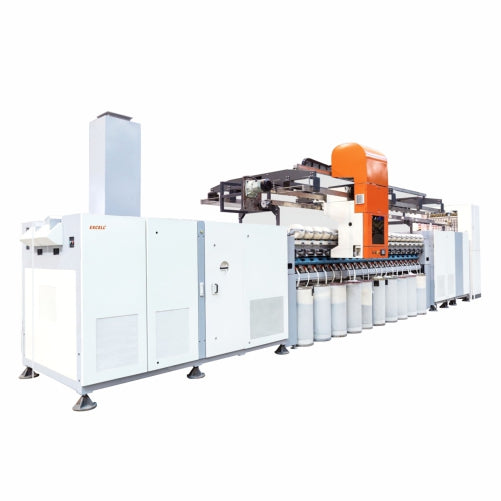
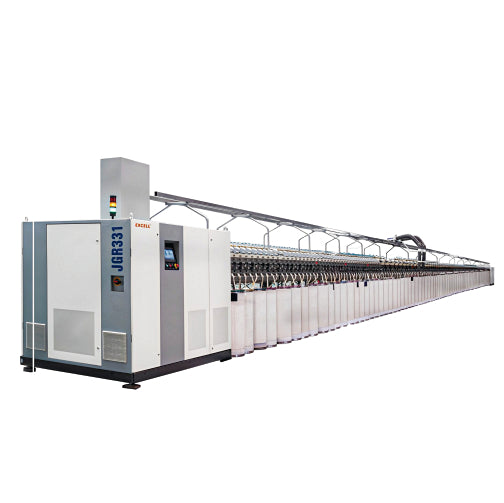
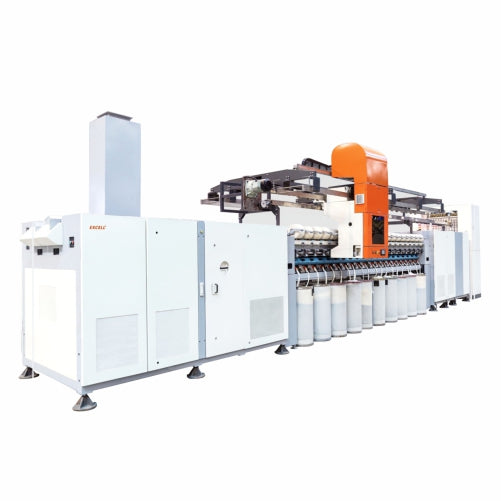
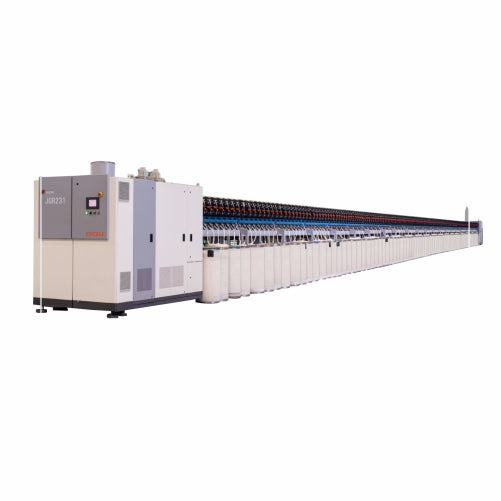
A yarn spinning machine is used to convert textile fibres into yarn for different fabric and textile manufacturing processes. It plays an important role in the textile industry, helping manufacturers produce yarn for knitting, weaving, garments, home textiles, and other applications.
Modern yarn spinning machines are designed to support different yarn production requirements, with features that can help improve production speed, yarn quality, and process control. Depending on the technology and machine type, spinning equipment can handle different fibre types and yarn specifications.
Ramana Machines offers yarn spinning equipment for textile businesses looking for suitable machinery for their production operations. Whether you need a small yarn spinning machine for a specific production setup or an automatic yarn spinning machine for regular industrial use, selecting the right equipment depends on your required yarn type, production capacity, and manufacturing process.
Yarn spinning equipment is available in different designs and technologies to meet the needs of textile manufacturers. The selection of a spinning machine depends on the raw material, yarn count, production volume, and required yarn characteristics.
Rotor spinning machines are used in applications where fibres are opened, prepared, and spun into yarn through a rotor-based process. They are commonly considered by manufacturers looking for efficient yarn production and suitable options for different yarn specifications.
A suitable spinning machine for textile production can help businesses manage regular manufacturing requirements, maintain consistent operating conditions, and improve overall production planning.
Yarn spinning machines support the production of yarn used in different textile and manufacturing industries. The final application depends on the fibre, yarn count, strength, and other yarn properties.
Industry or application | Use of spun yarn |
| Knitting industry | Yarn used for knitted fabrics, garments, and other knitted products |
| Weaving industry | Yarn used in the production of woven fabrics |
| Garment manufacturing | Yarn processed into fabrics for clothing and apparel |
| Home textiles | Yarn used for bedsheets, curtains, towels, and furnishing fabrics |
| Denim and casual fabrics | Suitable yarn used in different denim and casual fabric production processes |
| Industrial textiles | Yarn used in selected technical and industrial fabric applications |
| Socks and hosiery | Suitable yarn used for socks and other hosiery products |
The yarn specification and spinning process should be selected according to the finished fabric and product requirements.
Modern yarn spinning equipment can include advanced controls and automated functions to help manage production. Depending on the machine model, these features may support process settings, rotor speed control, yarn formation, package winding, and machine monitoring.
Computerised controls can make it easier for operators to adjust selected production parameters and repeat settings for different yarn requirements. Some machines also offer optional automatic doffing and yarn joining functions to reduce manual work during production.
Important technology features may include:
The available features differ between models, so it is important to review the machine specifications before selecting equipment.
A suitable yarn spinning machine can help textile manufacturers improve their production process and manage regular yarn manufacturing requirements. Modern spinning equipment can also support better process control and reduce certain repetitive manual tasks.
Feature | Production benefit |
| High-speed spinning | Helps increase yarn production capacity when operated within the recommended settings. |
| Consistent yarn formation | Supports more uniform yarn production with suitable machine settings and raw materials. |
| Automatic functions | Can reduce manual work in selected spinning and yarn handling operations. |
| Computerised controls | Make it easier to adjust and repeat selected production settings. |
| Improved yarn joining | Helps reduce interruptions caused by yarn breaks on machines with suitable joining systems. |
| Efficient package formation | Supports proper yarn winding and package quality. |
| Reduced maintenance effort | Easy-to-replace components on selected models can help simplify maintenance work. |
| Production cost control | Efficient operation and reduced downtime can help manage overall manufacturing costs. |
Actual production output, energy use, and operating costs depend on the machine configuration, fibre quality, yarn count, working speed, and maintenance practices.
Choosing the right spinning machine yarn production system requires an understanding of your manufacturing needs. Different machines are designed for different yarn types, fibre materials, and production capacities.
Before purchasing a yarn spinner machine, consider the following points:
Reviewing these factors can help you select yarn spinning equipment that fits your production requirements.
Ramana Machines offers different spinning machine options for textile manufacturers. Our range includes the JGR231 Spinning Machine, JGR232 Spinning Machine, and JGR331/JGR531 Spinning Machine. These rotor spinning machine models offer different configurations and production features for varying yarn manufacturing requirements.
Ramana Machines is a textile machinery supplier in India, providing machinery sourced from China for textile and related manufacturing industries. As a supplier, importer, and exporter of Chinese machinery, we help businesses explore equipment options based on their production needs and machine requirements.
If you are looking for a yarn spinning machine supplier, an automatic yarn spinning machine, or industrial yarn spinning equipment, our team can help you review available machine options and understand their features.
Based in Ludhiana, Ramana Machines serves textile businesses looking for machinery for yarn production and other textile manufacturing processes. Contact us to discuss your requirements and enquire about suitable spinning equipment.
Visit Ramana Machines to explore our textile machinery range and make an enquiry.
Find answers to the most common questions about our machines, services and support.
A yarn spinning machine converts textile fibres into yarn. The yarn is then used in knitting, weaving, garment manufacturing, home textiles, and other fabric production processes.
A rotor spinning machine uses a rotating rotor to form yarn from prepared fibres, while a ring spinning machine uses a ring and traveller system. Both technologies are used for different yarn production requirements.
An automatic yarn spinning machine includes automated or computer-controlled functions that help manage selected spinning operations, yarn handling, and production settings. Available functions depend on the machine model.
The suitable raw materials depend on the machine design and configuration. Different spinning machines can process cotton, polyester, viscose, and other suitable fibres. Always confirm material compatibility with the machine supplier.
A suitable spinning machine can help increase production capacity, support consistent yarn formation, reduce certain manual tasks, and improve production workflow. Results depend on the machine, raw material, yarn count, and operating conditions.
Check the yarn count range, fibre compatibility, rotor or spindle configuration, production capacity, automation features, power requirements, and maintenance support before purchasing.
You can contact Ramana Machines to explore available spinning machine models, discuss your yarn production requirements, and enquire about suitable equipment.