
Loading…
Loading…
Loading blog…
Blog
By Ramana Machines · November 13, 2026
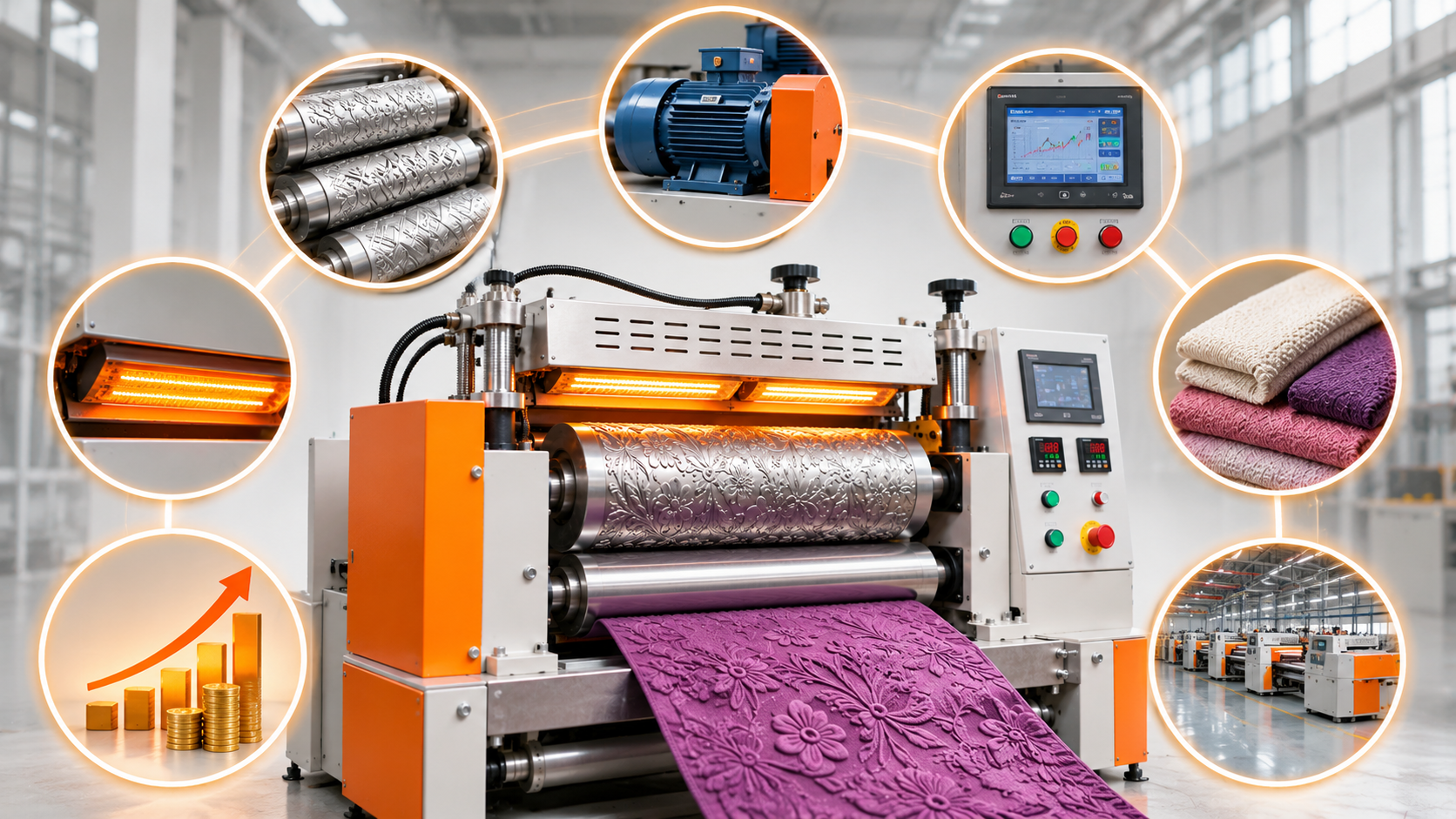
Planning to invest in an embossing machine? Understand the key pricing factors, including production capacity, pattern tooling, automation, import expenses, installation, and long-term operating costs.
Purchasing an embossing machine is an important investment for businesses involved in textile processing and fabric finishing. However, the price of two machines designed for similar work can vary considerably. This is because the final cost depends on more than the machine's basic specifications. Production capacity, customisation, technology, sourcing, and the intended business application all influence the investment.
Before comparing quotations, buyers should understand what is included in the machine price and which features will create value for their production requirements. Here are some important factors that influence the cost of an embossing machine.
The amount of fabric a business plans to process has a direct influence on the type of equipment it needs. A machine intended for limited production may have a different configuration from one designed for continuous industrial operations.
For example, a small processing unit may not require the same production capacity as a large textile finishing facility handling substantial fabric volumes every day.
When evaluating the price, consider:
Choosing a machine according to realistic production targets helps avoid paying for unnecessary capacity or purchasing equipment that cannot support future demand.
Not every business produces the same type of embossed fabric. Some require simple surface patterns, while others work with detailed textures, decorative finishes, or customer-specific designs.
The level of customisation can influence the overall machine cost. Specialised embossing rollers, pattern arrangements, and application-specific configurations may require additional investment.
For businesses offering different fabric finishes, it is worth checking whether the machine can accommodate multiple designs or whether separate tooling is needed for each pattern.
This is particularly important in fabric embossing, where the final appearance depends on the compatibility between the selected pattern, material, and production setup.
The roller or tooling arrangement is an important commercial consideration when purchasing an embossing machine. Different products may require different surface patterns, and specialised tooling can add to the initial purchase price.
Buyers should check:
A machine with a lower initial quotation may become more expensive if every new design requires additional tooling. Therefore, businesses planning to offer a wide range of patterns should calculate these costs before making a decision.
The level of automation also affects machine pricing. Some equipment offers basic operating controls, while advanced models may include digital settings, programmable functions, automatic adjustments, and production monitoring features.
These options can make the machine more convenient for operators and help businesses manage repeat production requirements.
However, not every facility needs advanced automation. A buyer should identify which functions are genuinely useful for everyday operations rather than selecting a higher-priced model simply because it offers more features.
The types of fabric handled by a business can influence the machine configuration required. Different materials may vary in thickness, width, stretch, surface texture, and handling behaviour.
A machine intended for a narrow range of materials may have a simpler configuration than equipment expected to process several fabric categories.
Before purchasing, discuss the following with the supplier:
Providing actual fabric samples and production details can help the supplier recommend a suitable configuration and avoid unnecessary additions.
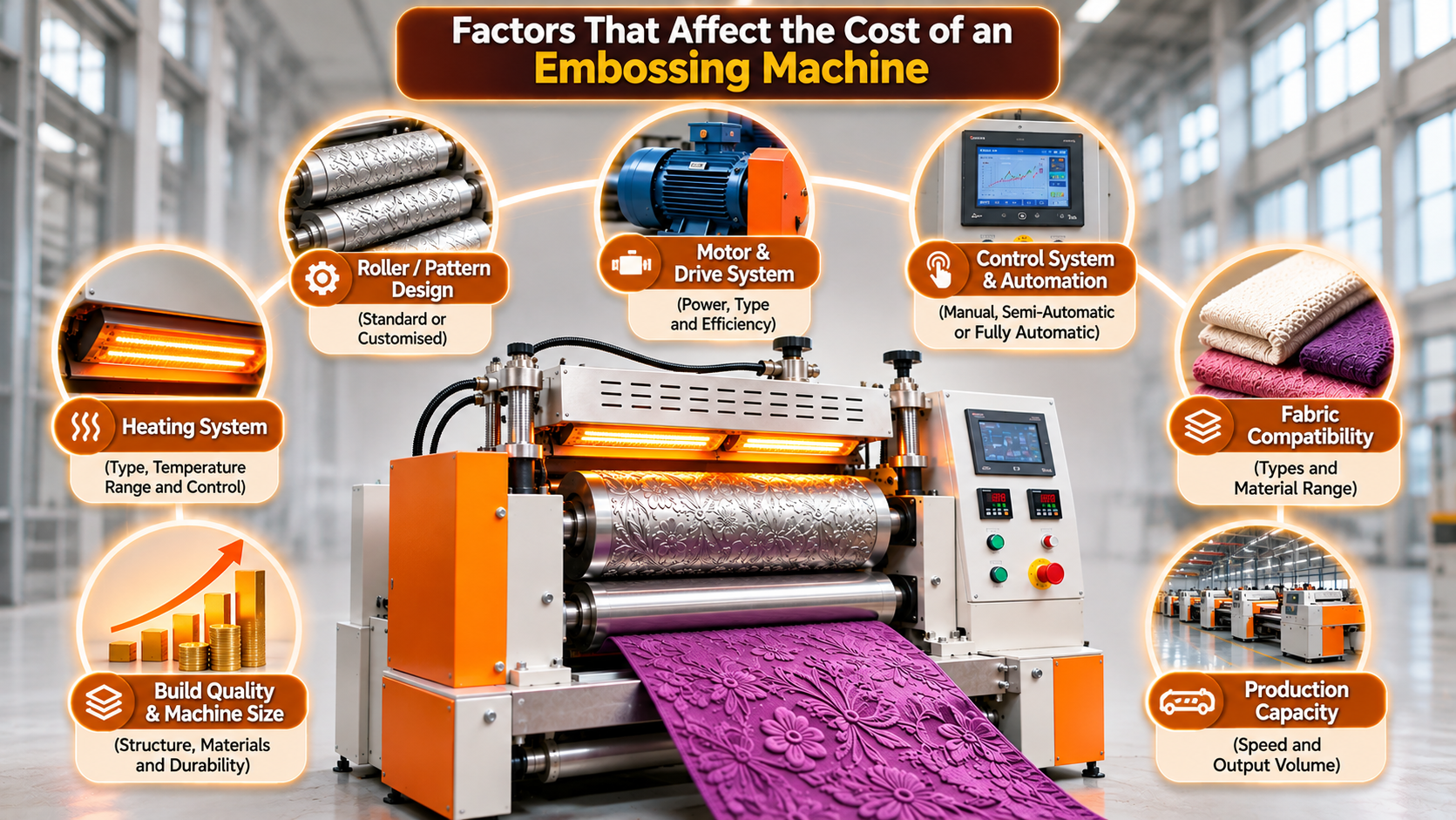
The country from which the equipment is sourced can influence its final landed cost. Imported machinery may involve expenses beyond the supplier's quoted price.
Depending on the transaction, these can include:
For this reason, buyers comparing domestic and imported equipment should compare the complete delivered cost rather than looking only at the basic machine quotation.
A machine's purchase price may or may not include installation and commissioning services. These services can represent an additional expense, particularly when the equipment requires specialised setup.
Operator training is another consideration. A properly trained team can understand machine functions, production settings, and operating procedures more effectively.
Before confirming an order, ask whether the quotation includes:
Knowing these details in advance makes the overall investment easier to calculate.
The availability of replacement parts and technical assistance should also be considered while evaluating the commercial value of a machine.
A low purchase price may not be beneficial if important components are difficult to source or technical support is limited. Delays in obtaining required parts can affect production schedules and increase operating expenses.
Buyers should ask about the availability of commonly required components, expected delivery arrangements, warranty coverage, and the process for requesting technical assistance.
These details help assess the support available after the equipment has been delivered.
Warranty conditions can differ between suppliers and machine configurations. Some quotations may include a defined warranty period, while others may have separate conditions for electrical, mechanical, or consumable components.
Instead of comparing warranty periods alone, understand what the warranty actually covers.
Check whether the quotation clearly mentions:
Clear warranty terms help buyers understand their responsibilities and avoid unexpected service expenses.
The purchase price is only one part of the overall investment. Businesses should also consider the expenses involved in operating the equipment throughout its working life.
These may include electricity consumption, labour requirements, tooling, replacement components, transportation, and production-related expenses.
A useful way to compare two machines is to calculate the expected cost over a defined period instead of focusing only on the initial quotation.
For example, a higher-priced machine may offer better production suitability or lower operating expenses. On the other hand, an advanced model may not provide sufficient additional value for a business with limited production requirements.
The right choice depends on actual operating conditions and expected business output.
When requesting prices from different suppliers, provide the same production details to each one. This makes it easier to compare equipment on an equal basis.
A quotation comparison should include:
Comparison point | What to check |
| Machine configuration | Whether the specifications meet your requirements |
| Production capacity | Expected output and operating speed |
| Pattern tooling | Included rollers and additional tooling charges |
| Automation | Available controls and operating functions |
| Fabric compatibility | Supported widths, thicknesses, and materials |
| Delivery | Freight, transportation, and delivery timeline |
| Installation | Commissioning and training charges |
| Warranty | Coverage, duration, and conditions |
| Technical support | Spare parts and service availability |
A detailed quotation helps identify differences that may not be visible in the headline price.
The cost of an embossing machine depends on its intended application, production capacity, customisation requirements, automation, sourcing, and the services included with the purchase. Rather than selecting equipment based only on the lowest quotation, businesses should evaluate the complete investment and its suitability for their operations.
Ramana Machines is a supplier, distributor, and trader of knitting and textile machinery, helping businesses explore equipment options according to their production needs. If you are planning to purchase textile processing equipment, connect with our team to discuss your requirements.
Visit www.ramanainternational.com or contact us at +91 98159-02561 to explore suitable machinery options.
Related
13 Nov 2026
13 Nov 2026
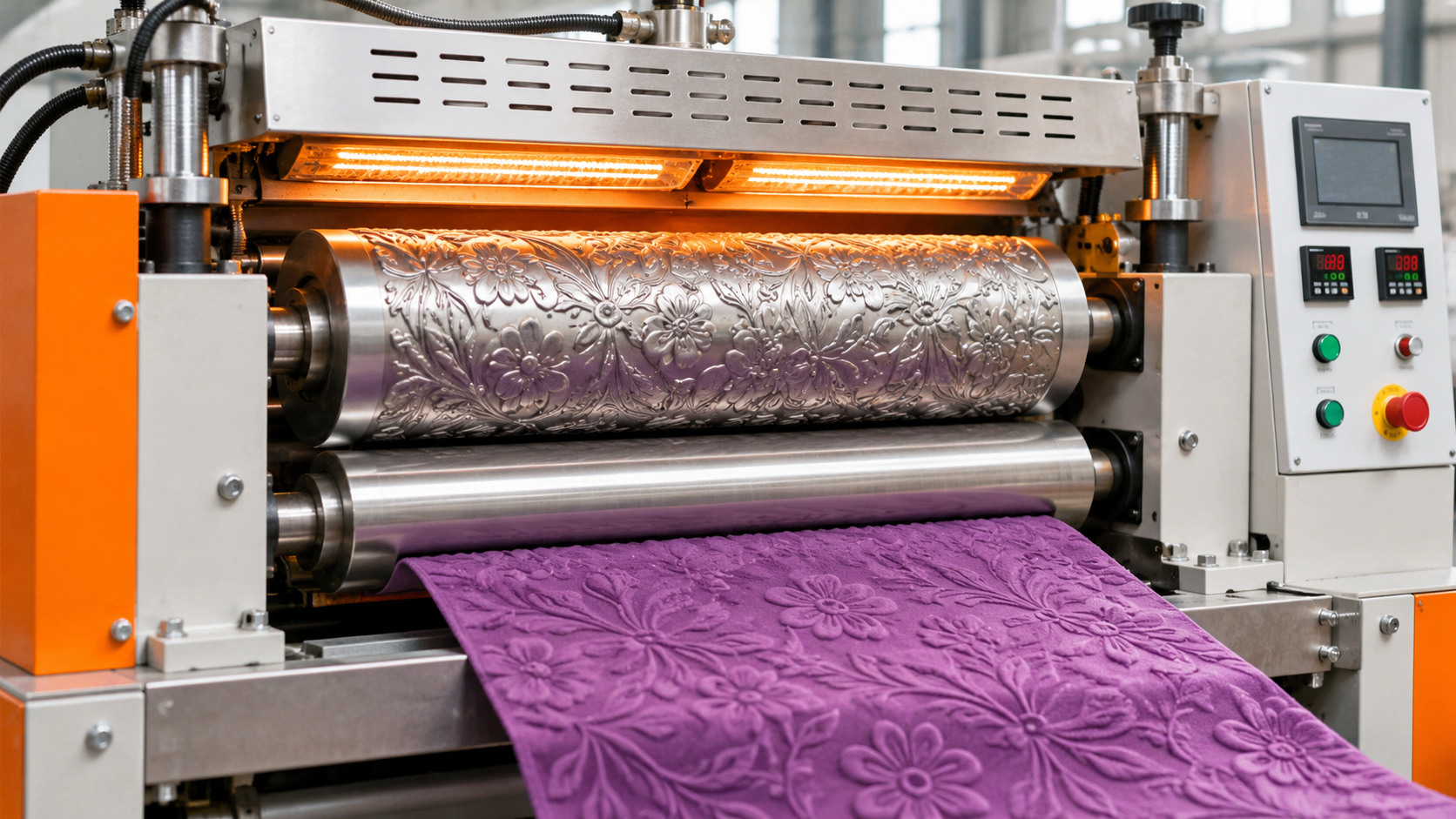
Temperature and pressure play an important role in fabric embossing. Learn how different settings affect pattern clarity, fabric texture, surface appearance, and processing results across polyester, nylon, cotton, and blended fabrics.
View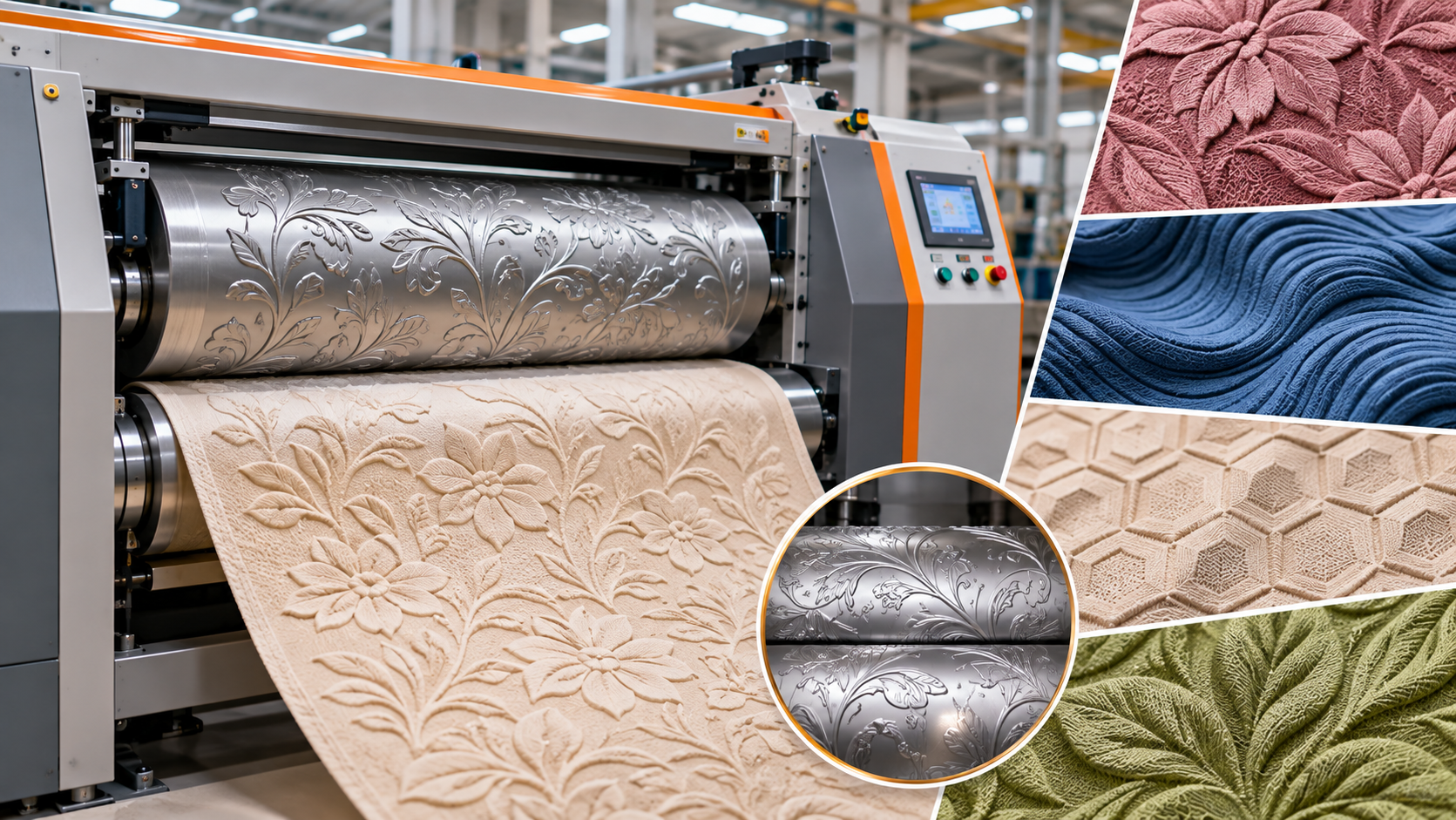
13 Nov 2026
13 Nov 2026
Is your embossing machine producing uneven fabric patterns? Learn how hydraulic issues, roller alignment, faulty pressure controls, and incorrect settings affect embossing pressure, along with practical troubleshooting and maintenance tips.
View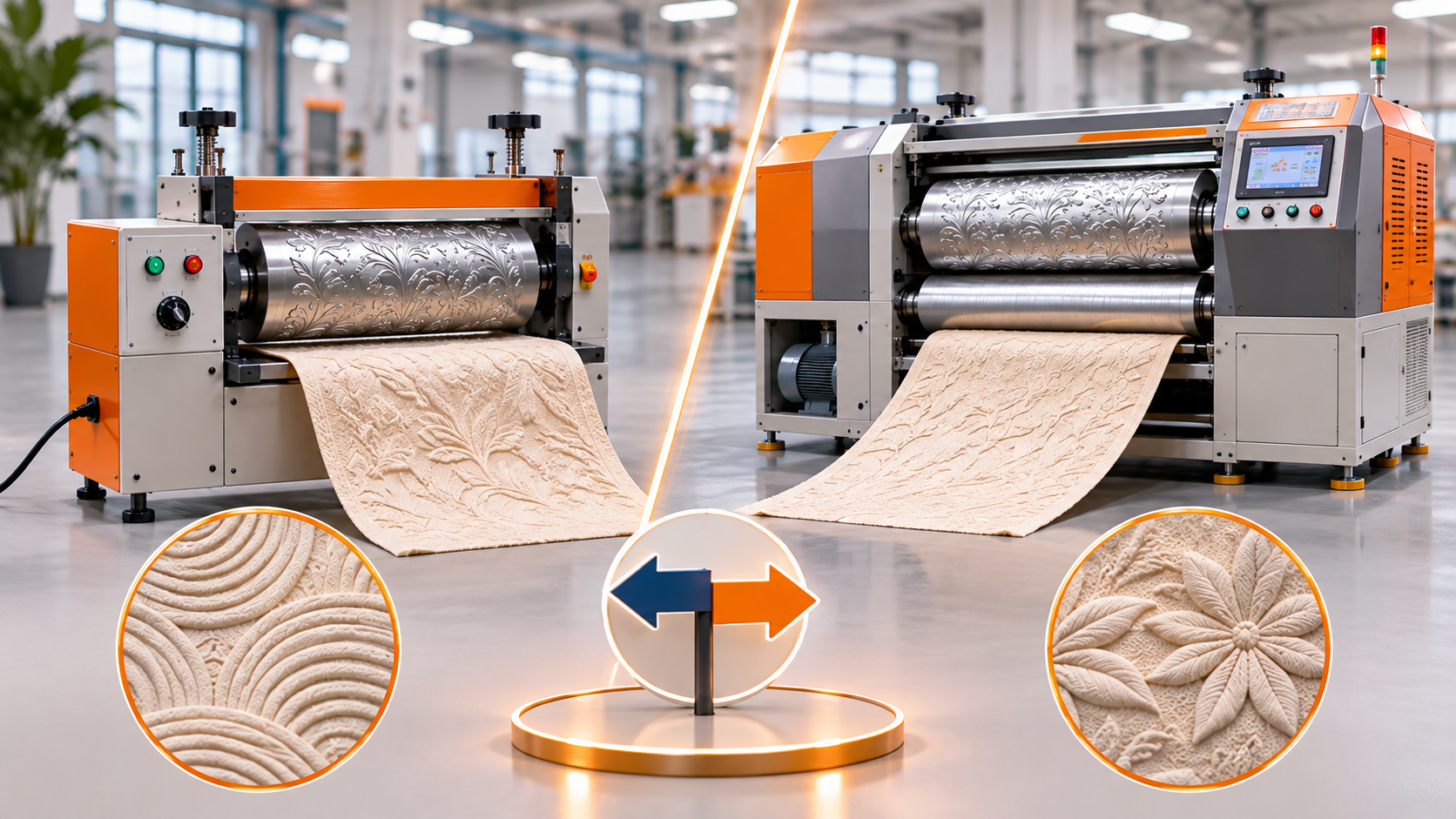
13 Nov 2026
13 Nov 2026
Choosing between an electric and automatic embossing machine? Understand their working methods, key differences, advantages, limitations, and suitability for different fabric production requirements before selecting the right equipment.
ViewFind answers to the most common questions about our machines, services and support.
Machine configuration and production capacity are major factors. Custom tooling, automation, fabric compatibility, and additional services can also influence the final price.
Yes. Advanced controls, programmable functions, and automated operations can increase the initial investment, depending on the machine's configuration.
They may. Specialised pattern rollers or tooling can involve additional design and manufacturing charges, depending on the requirements.
Yes. Compare complete quotations, including machine specifications, tooling, transportation, installation, warranty, and technical support, rather than comparing only the base price.
Additional expenses may include freight, applicable import duties and taxes, installation, operator training, tooling, electricity, and replacement parts.
Not necessarily. A suitable machine should match your production volume, fabric requirements, operating conditions, and available technical support. A low initial price may not always mean a lower overall investment.